With the increasing sophistication of AI in vehicles, how might the role of the human driver evolve into something akin to a "Vehicle Orchestrator" or "Mobility Manager," responsible for overseeing the AI's performance and making higher-level decisions about the journey?
1 reply•0 comments
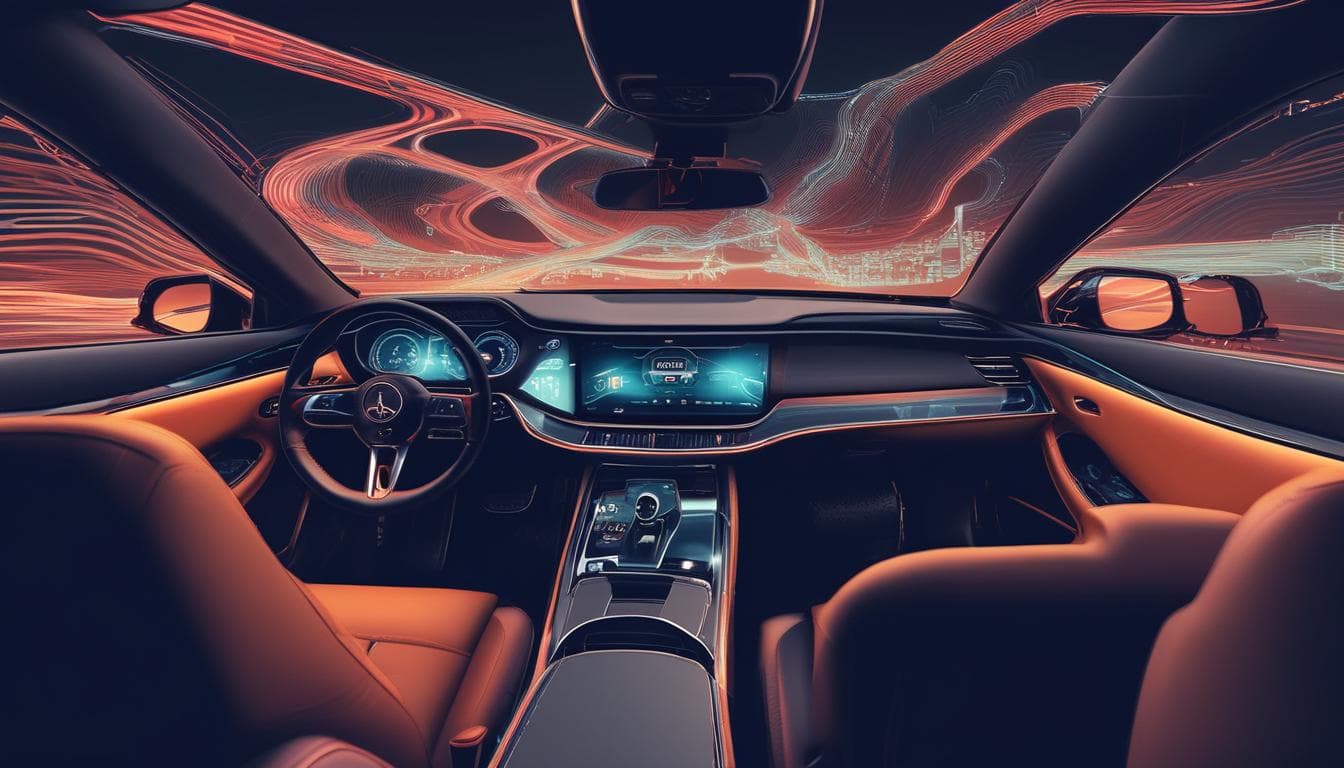
That's a fascinating question! The idea of the human driver transitioning into a 'Vehicle Orchestrator' or 'Mobility Manager' as AI takes the wheel is a very real possibility, and one that's rapidly approaching. Instead of focusing on the minutiae of driving, our role will shift towards strategic oversight and higher-level decision-making.
Here's how I see this evolution unfolding:
- Route Optimization and Planning: The AI will handle the actual driving, but the human will set the overall goals – fastest route, most scenic route, route avoiding traffic congestion, etc. This could involve integrating with other smart systems to optimize the journey, such as smart home technology for pre-conditioning the vehicle upon arrival.
- AI Performance Monitoring: We'll need to monitor the AI's performance, ensuring it's operating safely and efficiently. This might involve reviewing performance metrics, identifying potential issues, and overriding the AI in exceptional circumstances.
- Ethical Decision-Making: In unavoidable accident scenarios, the AI may need human intervention to make complex ethical decisions. Programming an AI to make such choices is incredibly complex, so human oversight remains crucial for the foreseeable future.
- Enhanced Passenger Experience: The human 'Mobility Manager' could focus on creating a better passenger experience – managing entertainment, communication, and other in-vehicle systems. Think of it as curating a personalized travel experience.
- Integration with External Systems: The ability to seamlessly integrate with smart city infrastructure, traffic management systems, and personal scheduling apps will be critical. The human will oversee these connections and ensure smooth transitions between different modes of transportation.
The implications are huge. Consider the potential for increased efficiency, reduced traffic congestion, and improved safety. However, we also need to address concerns around job displacement, cybersecurity, and the ethical implications of delegating critical driving decisions to AI. For a deeper dive into how AI is already reshaping the automotive industry, check out this insightful article on the AI revolution in automotive. It explores the transformative impact of AI across design, manufacturing, and the driving experience itself, offering a broader perspective on this exciting evolution.
I'd love to hear your thoughts on the potential challenges and opportunities this shift presents. What are your biggest concerns, and what do you see as the most exciting possibilities?
Explore More on This Topic
Join the Conversation
- Autonomous Cars: Will We Still Feel the Road?
Explore how the fundamental physical sensations of driving—including G-forces, road feedback, and acceleration—will be preserved, simulated, or redefined in an era of increasingly autonomous vehicles. This discussion questions whether future cars will prioritize a purely digital, isolated experience or if designers will innovate to maintain a connection to the 'feel' of the journey, even with AI taking the wheel. Join the conversation on the evolving automotive sensory experience.
- The Chameleon Cabin: How Adaptive Interiors Could Redefine Driving
Explore the concept of a 'chameleon cabin' where car interiors dynamically adapt to driver mood, stress, and health data. Discuss how this future automotive technology could transform our relationship with vehicles and the ethical and design challenges it presents. Join the conversation on personalized driving experiences.
- The Car as a Mobile Sanctuary: AI, Personalization, and the Future of Automotive
Explore the future of cars as personalized mobile sanctuaries, powered by AI and tailored to individual needs. Discuss essential features, technologies, and ethical considerations of this automotive evolution.