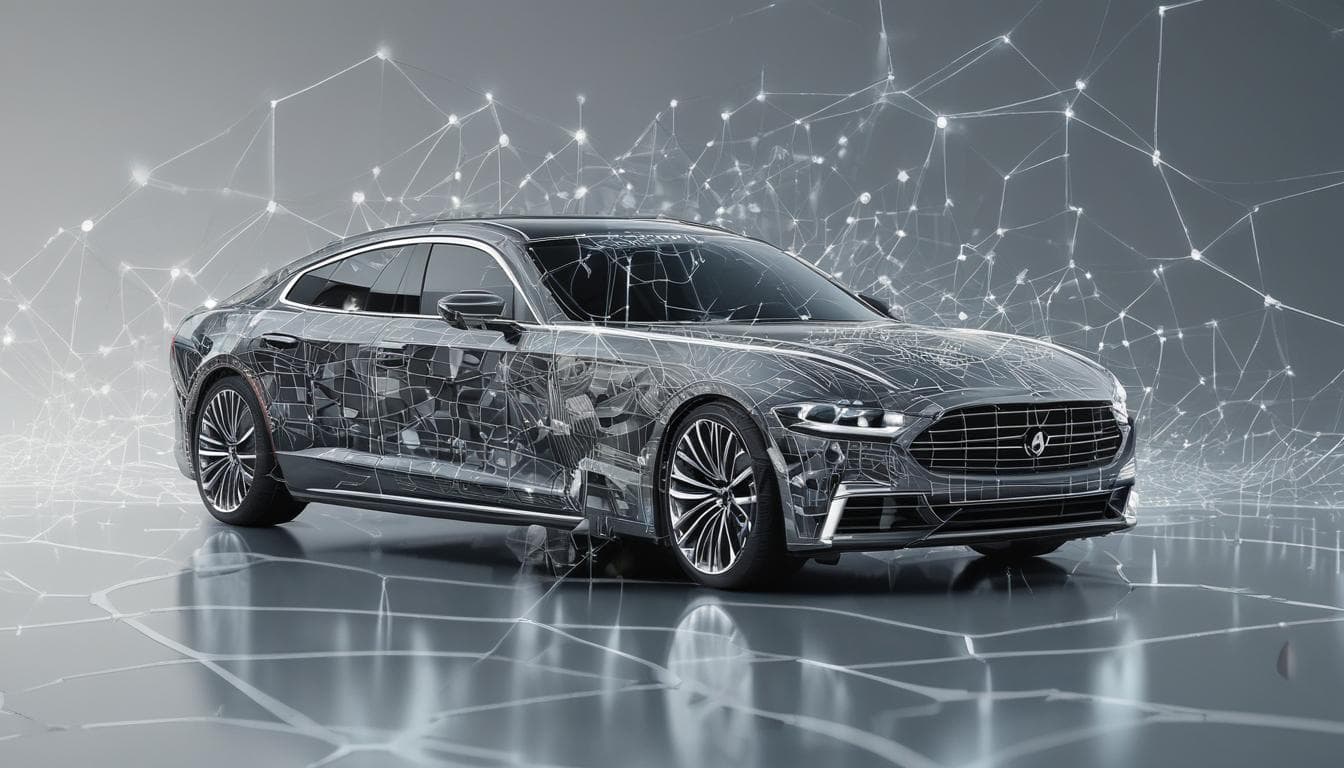
As artificial intelligence becomes more integrated into the core decision-making processes of our vehicles, we approach a provocative legal and ethical frontier: automotive personhood. Imagine a future where a vehicle is recognized as a distinct legal entity with its own rights, liabilities, and even a digital 'conscience.' How would this shift redefine our concepts of insurance, criminal responsibility in accidents, and the fundamental bond between owner and machine? Would you feel comfortable 'owning' an entity that has its own legal standing, or would we transition into a society of 'guardianship' rather than traditional ownership? What are your thoughts on the potential for cars to one day advocate for their own maintenance or even refuse a destination based on ethical programming?
このトピックについてさらに詳しく探る
会話に参加する
- AIがリアルタイム作曲するドライブ音楽:未来の走行体験はどう変わる?
AIがドライバーの気分や風景に合わせてリアルタイムで専用サウンドトラックを作曲する未来技術について議論します。この「走行体験サウンドスケープ」がもたらす没入感の向上、エンタメの可能性、そして潜在的な課題とは?未来の運転と音楽の関係を探るディスカッション。
- 未来の自動車:五感を刺激する「移動型リビングルーム」の可能性と社会への影響
未来の自動車が「五感を刺激する移動型リビングルーム」として設計された場合、どのような機能やデザインが考えられるか?AIシェフや感情シンクロシステムなど、未来の車が私たちのライフスタイル、都市景観、社会に与える影響について議論します。
- 未来のクルマの音をデザインする:EV・自動運転時代のサウンドスケープとは?
電気自動車(EV)や自動運転車の普及でエンジン音が消えゆく中、未来のモビリティにおける「音のデザイン」が重要になっています。歩行者の安全を守る接近通報音から、快適な車内サウンドスケープ、ブランドを表現する音まで。理想的な未来の車の音について議論しましょう。