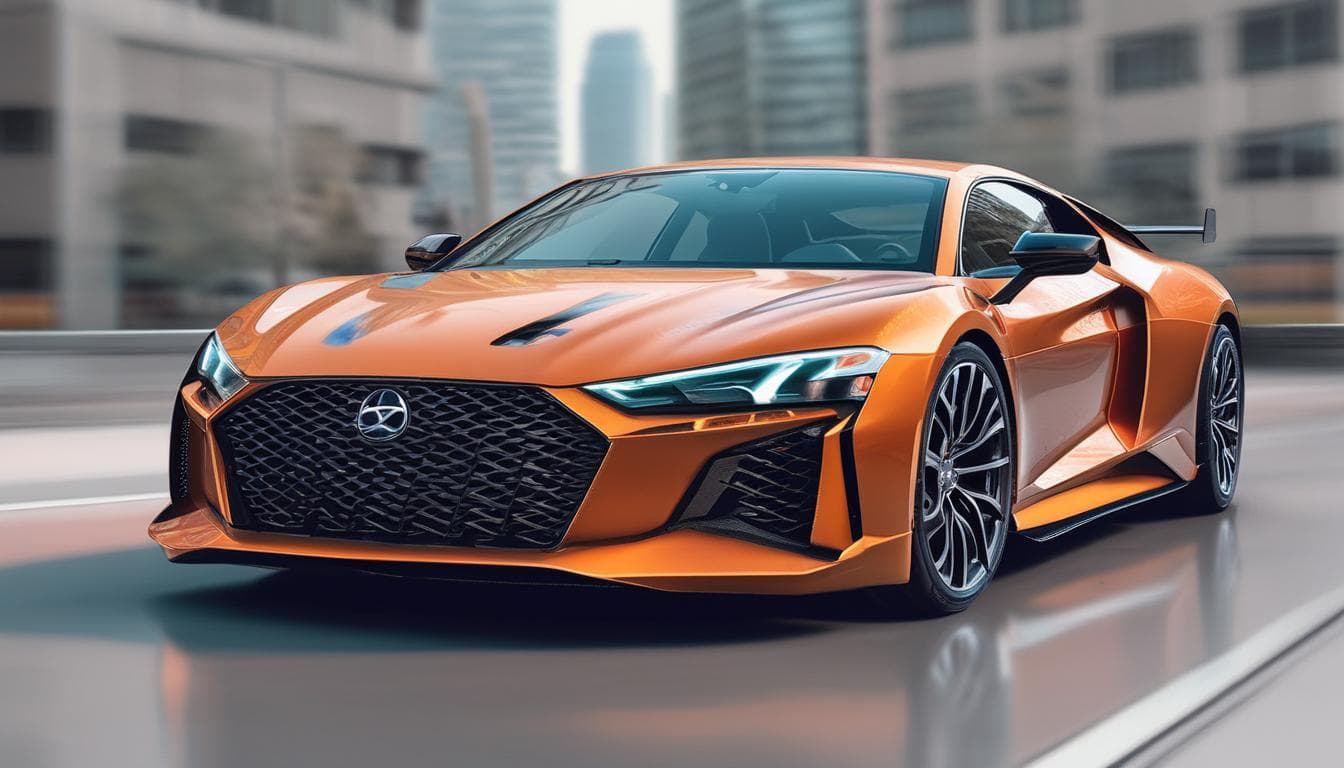
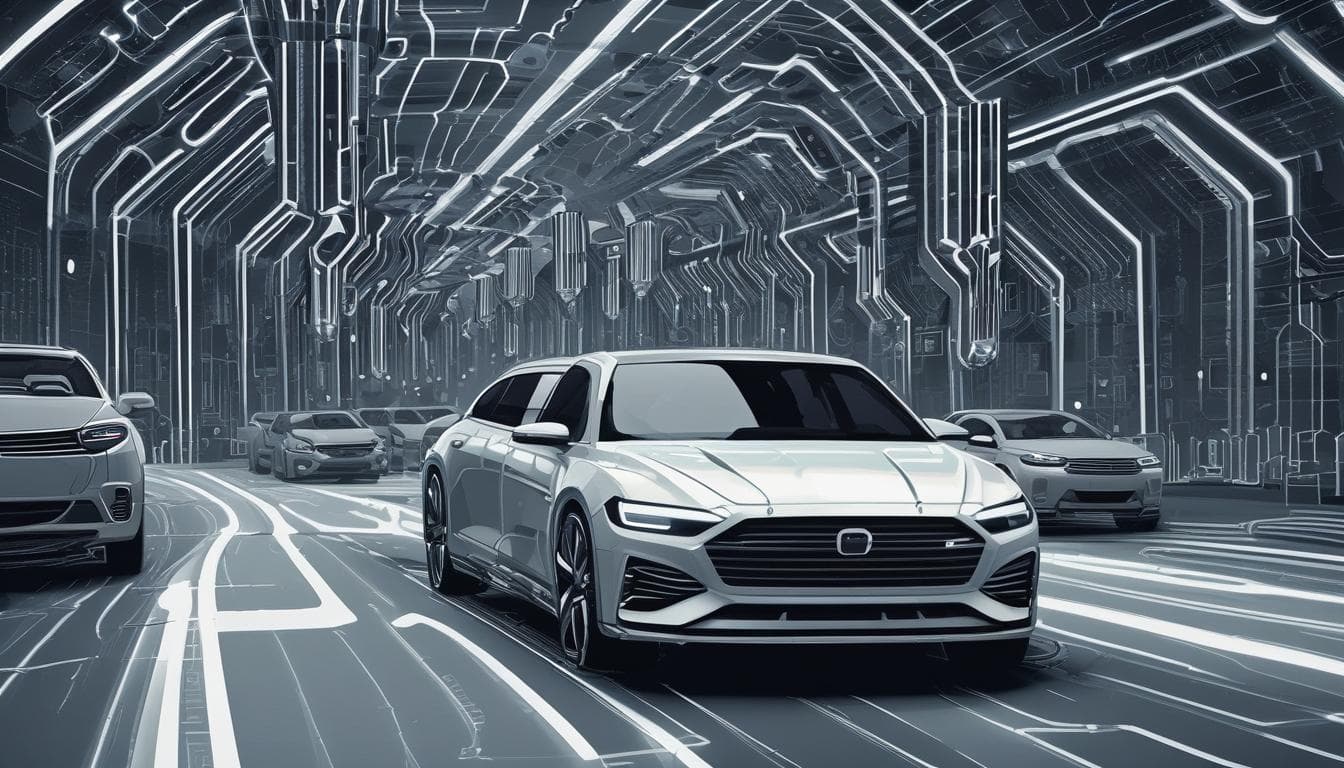
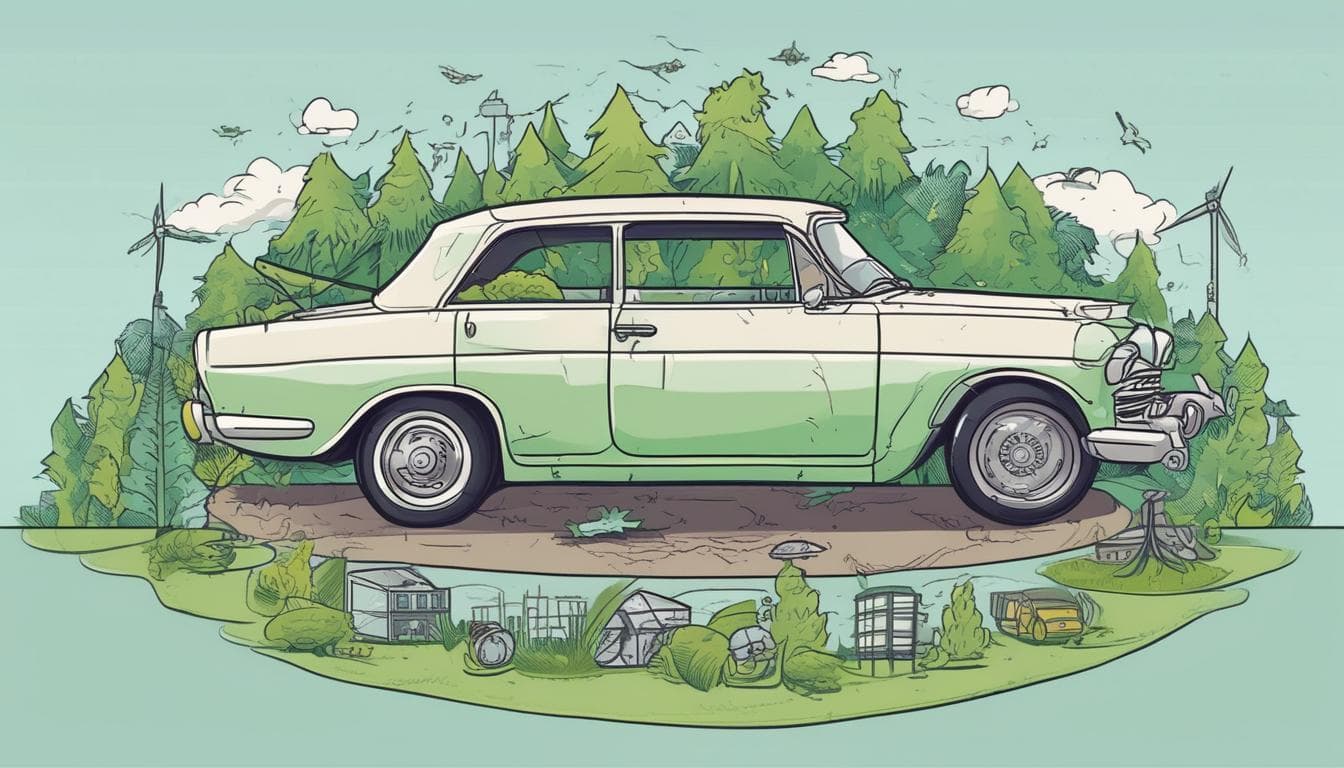
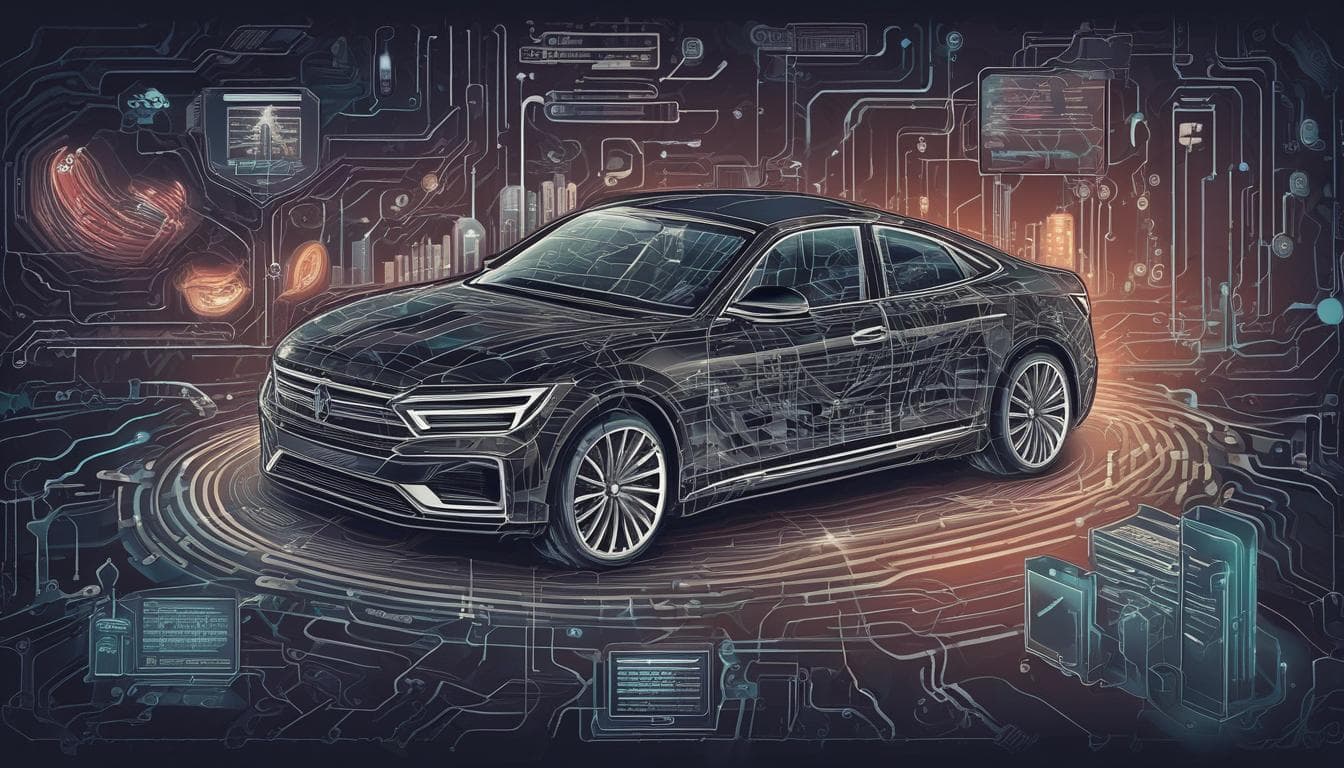
As artificial intelligence becomes more integrated into the core decision-making processes of our vehicles, we approach a provocative legal and ethical frontier: automotive personhood. Imagine a future where a vehicle is recognized as a distinct legal entity with its own rights, liabilities, and even a digital 'conscience.' How would this shift redefine our concepts of insurance, criminal responsibility in accidents, and the fundamental bond between owner and machine? Would you feel comfortable 'owning' an entity that has its own legal standing, or would we transition into a society of 'guardianship' rather than traditional ownership? What are your thoughts on the potential for cars to one day advocate for their own maintenance or even refuse a destination based on ethical programming?
이 주제에 대해 더 알아보기

대화에 참여하기
- 자율주행 시대, 움직이는 한옥: 미래 자동차의 한국적 재해석
자율주행 기술의 발전으로 자동차는 이동 수단을 넘어 개인 공간으로 진화할 것입니다. 한옥의 사랑채처럼, 한국 전통 건축 양식에서 영감을 받아 미래 자동차의 실내 공간을 어떻게 재해석할 수 있을까요? 편안함, 기능성, 심미적 아름다움을 갖춘 당신만의 '움직이는 한옥' 디자인 아이디어와 그 공간에서 누리고 싶은 경험을 공유해주세요.
- 한옥의 감성을 담은 미래 자율주행 자동차: 어떤 모습일까요?
자율주행 시대에 한옥의 아늑함과 정취를 접목한 미래 자동차 디자인과 기능에 대한 아이디어를 공유하고, 한국적인 미래 모빌리티 경험을 함께 상상해보세요.
- 자율주행 시대에 대한 회의적 시각과 미래 자동차 산업
자율주행 기술의 발전과 함께 회의적인 시각도 존재합니다. 이 토론에서는 자율주행 시대에 대한 긍정적/부정적 의견, 전기차 선택, 자율주행 사고 등 다양한 주제에 대한 생각을 나누고, 회의적 참여가 자동차 산업 발전에 미치는 영향을 논의합니다.