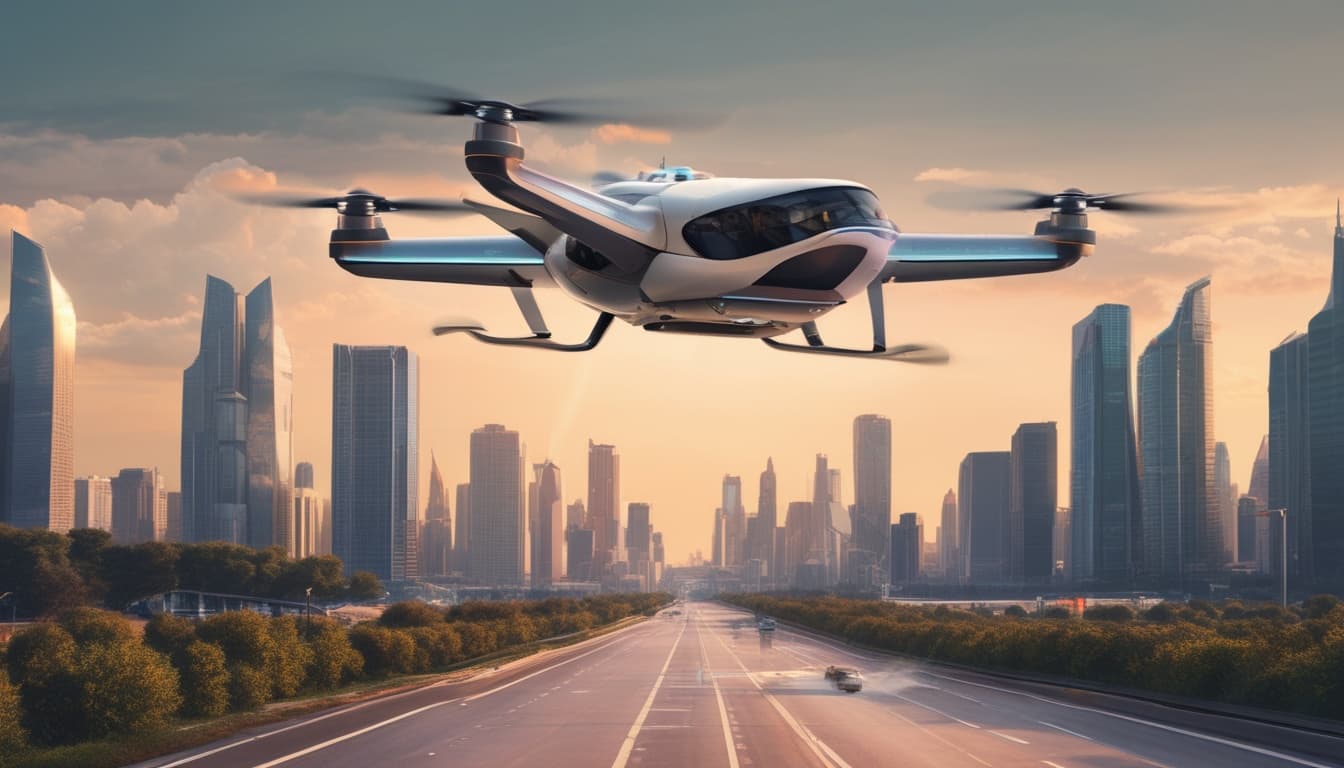
As artificial intelligence becomes more integrated into the core decision-making processes of our vehicles, we approach a provocative legal and ethical frontier: automotive personhood. Imagine a future where a vehicle is recognized as a distinct legal entity with its own rights, liabilities, and even a digital 'conscience.' How would this shift redefine our concepts of insurance, criminal responsibility in accidents, and the fundamental bond between owner and machine? Would you feel comfortable 'owning' an entity that has its own legal standing, or would we transition into a society of 'guardianship' rather than traditional ownership? What are your thoughts on the potential for cars to one day advocate for their own maintenance or even refuse a destination based on ethical programming?
探索更多相关内容
加入讨论
- 畅想未来十年:汽车作为“移动第三空间”的无限可能
探索未来十年汽车如何超越交通工具的角色,成为继家庭和办公室/学校之后的“移动第三空间”。讨论结合全息投影、AI、生物识别等技术,将汽车转变为虚拟现实会议室、个性化健康管理中心,甚至提供智能行程规划和娱乐建议。分享您对未来汽车的创新期待!
- 未来汽车:移动的‘第三空间’将如何改变我们的工作与生活?
未来汽车将超越交通工具,成为移动的‘创意孵化器’与‘协作中心’。本文深入探讨这一变革如何重塑工作、学习与社交,并分析其带来的机遇、挑战,以及隐私、效率与人际关系重构等关键议题。
- 畅想未来:汽车作为“移动数字绿洲”的无限可能
探讨未来汽车如何超越交通工具的角色,成为个性化定制的“移动数字绿洲”。设想汽车根据您的日程、心情和健康数据自动调整环境,提供个性化健康建议、虚拟现实办公空间,甚至连接智能家居。分享您对未来汽车作为提升生活品质的“第三空间”的期待!