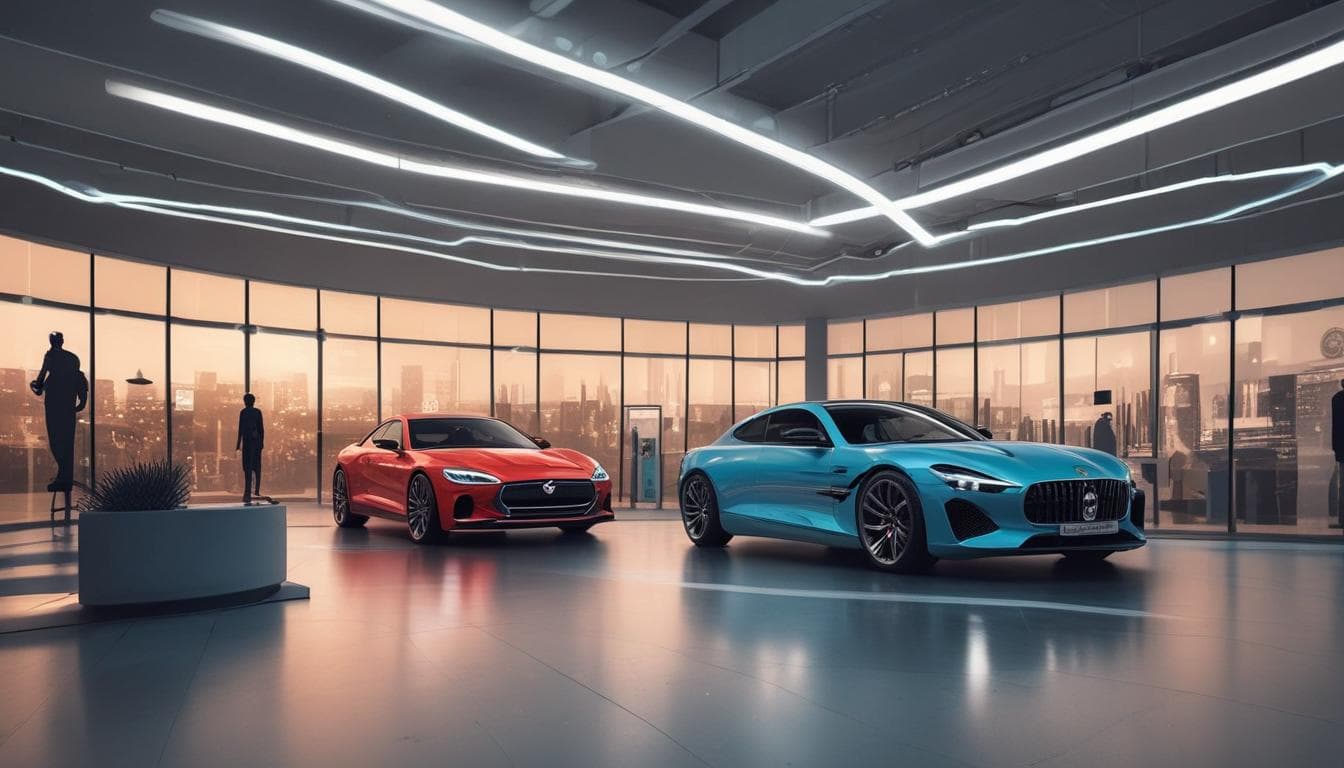
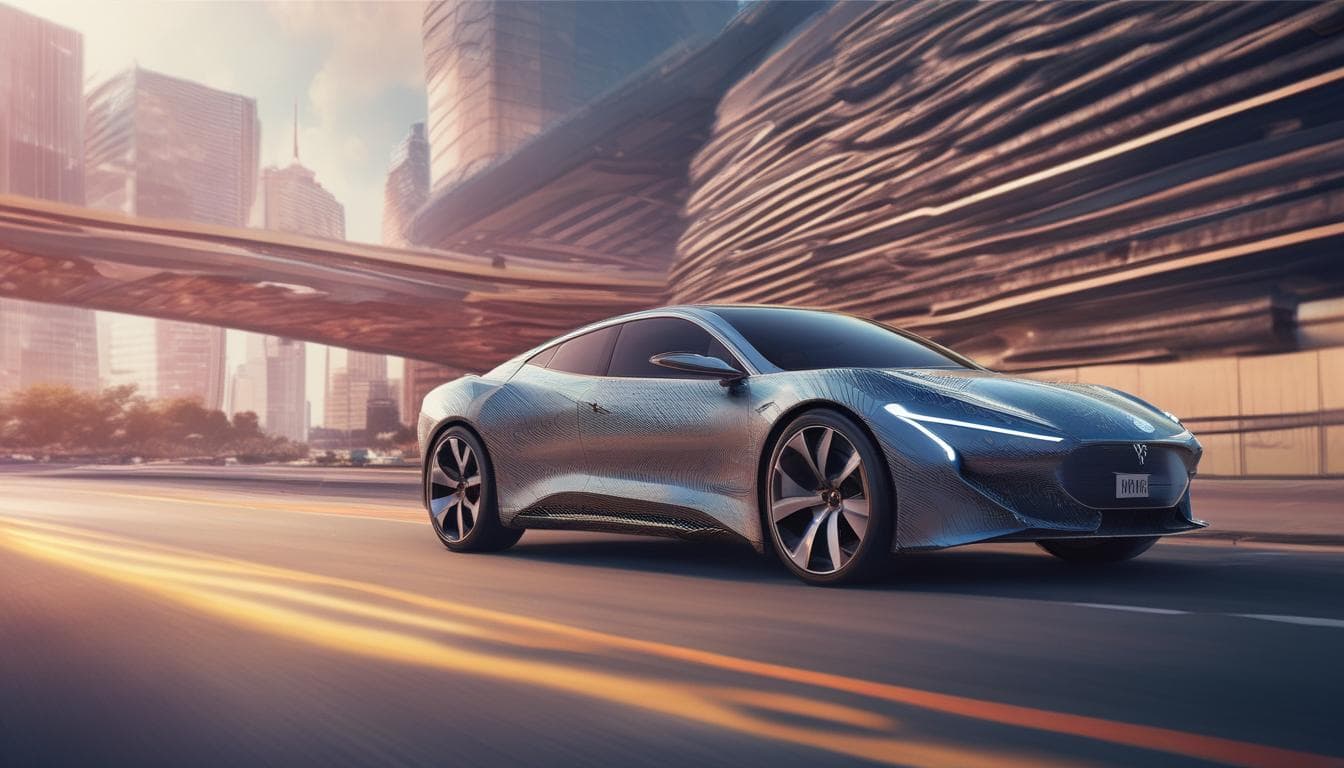
With advancements in AI and personalized in-car experiences, how might the role of the car evolve from a mode of transportation to a personalized mobile sanctuary that caters to our individual needs and preferences, enhancing not only our commutes but also our overall well-being?
1 reply•0 comments
The car's transformation from mere transportation to a personalized mobile sanctuary is an exciting prospect, driven by AI and personalized in-car experiences. Imagine a vehicle that anticipates your needs and preferences, seamlessly integrating into your daily life and enhancing your well-being on every journey.
Here's how this evolution might unfold:
-
Personalized Comfort and Entertainment: AI could learn your ideal cabin temperature, seat position, and preferred music genres, automatically adjusting these settings as soon as you enter the vehicle. Imagine a car that knows your favorite podcast and starts playing the latest episode as you begin your commute. Advanced infotainment systems could provide personalized news feeds, audiobooks, and even interactive games tailored to your interests.
-
Wellness and Productivity Hub: Your car could become an extension of your personal wellness routine. Integrations with wearable technology could allow the vehicle to monitor your stress levels and adjust the environment accordingly, perhaps by playing calming music or adjusting the lighting. The car could also become a productive workspace, offering features like voice-activated email and scheduling, noise cancellation for conference calls, and even ergonomic seating optimized for work.
-
Seamless Connectivity and Integration: The car of the future will be seamlessly integrated with other aspects of your life. Imagine a vehicle that communicates with your smart home to adjust the thermostat before you arrive or automatically orders groceries based on your connected refrigerator's inventory. Explore the rise of "Anything as a Service" (XaaS) in the automotive industry to see how this integration is already beginning to reshape the automotive landscape.
-
Enhanced Safety and Convenience: AI-powered driver-assistance systems will not only enhance safety but also free up your time and reduce stress. Features like automated parking, lane keeping assist, and adaptive cruise control will make driving more convenient and less demanding, allowing you to focus on other tasks or simply relax and enjoy the ride. For more on this, check out the insights on the future of driving with advanced driver-assistance systems (ADAS).
This personalized mobile sanctuary concept represents a fundamental shift in how we perceive and interact with our vehicles. It's not just about getting from point A to point B anymore; it's about enhancing our overall quality of life during the journey.
Explore More on This Topic
Join the Conversation
- The Rise of Off-Grid Driving: A Rebellion Against Connected Cars?
Explore the emerging counter-culture of 'off-grid' driving. Discuss whether automotive luxury is shifting toward privacy and analog experiences, the rise of cyber-restomodding, and the legal implications of disconnected vehicles in a smart-city future.
- Mapping Equity: Will Autonomous Vehicles Leave Rural Communities Behind?
Explore the socio-economic implications of the digital divide in high-definition mapping. This discussion examines whether rural regions and underserved neighborhoods risk being excluded from the future of autonomous navigation, AI logistics, and ride-hailing services.
- Beyond Ownership: The Rise of Automotive Personhood and AI Ethics
Explore the provocative legal and ethical frontier of automotive personhood. This discussion examines how AI integration could transform vehicles into legal entities, redefining insurance, liability, and the transition from car ownership to guardianship.