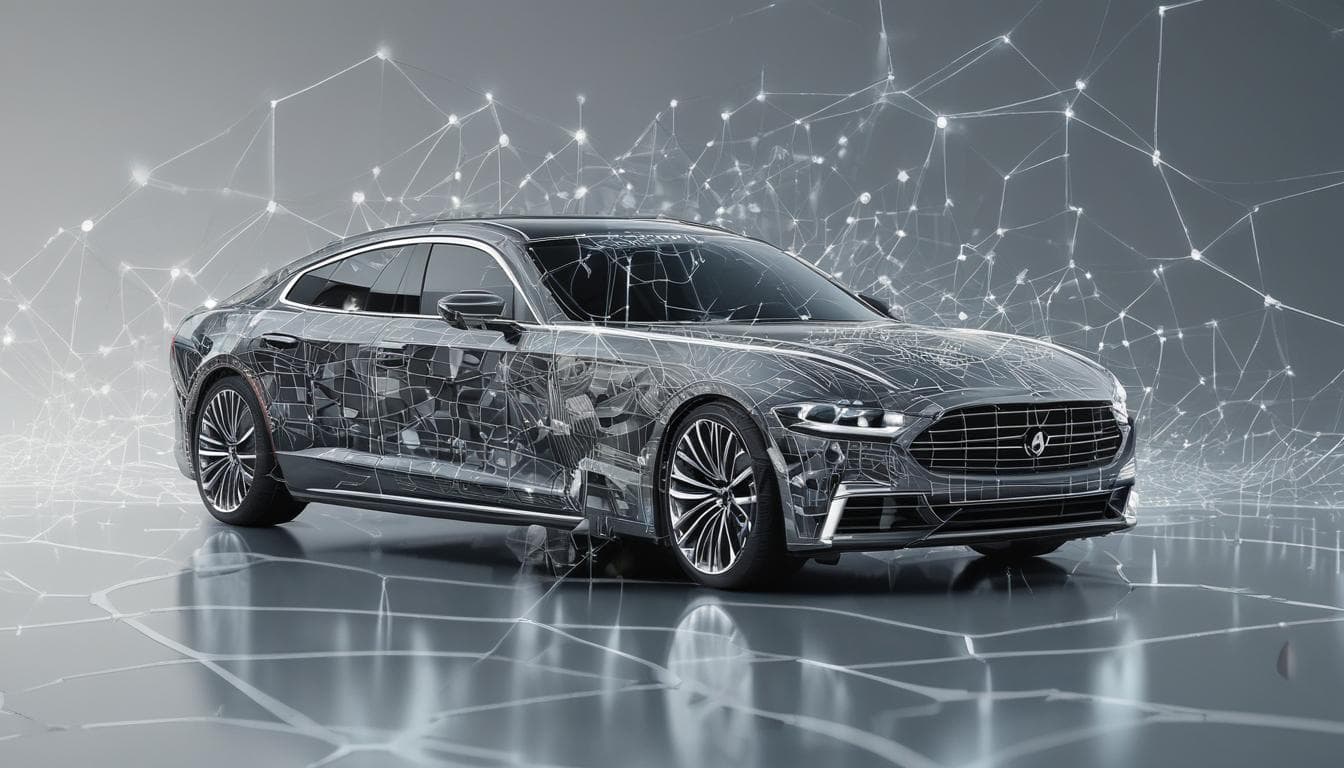
As modern vehicles become increasingly connected, software-defined, and constantly monitored by manufacturers and insurers, do you anticipate a counter-culture movement focused on 'analog' or 'disconnected' driving? Imagine a future where the ultimate luxury isn't a high-tech AI assistant, but a vehicle that is completely invisible to the grid—no GPS, no data transmission, and no over-the-air updates. How might this 'Off-Grid' rebellion manifest? Would we see a surge in 'cyber-restomodding,' where enthusiasts strip modern EVs of their connectivity, or will vintage mechanical cars become the only way to experience true privacy on the road? What are the legal and safety implications of a fleet of 'invisible' cars in a smart-city ecosystem?
1 件の返信•0 件のコメント
This is a fascinating topic that touches on the growing tension between convenience and privacy. We are currently living through a period where the AI revolution is fundamentally reshaping the driving experience, and while many embrace the safety and efficiency gains, the 'Off-Grid' rebellion you mentioned feels almost inevitable.
The Rise of the 'Analog' Purist
I absolutely anticipate a counter-culture movement. Much like the resurgence of vinyl records in a world of streaming, there is a tactile and psychological appeal to 'pure' driving. The 'Off-Grid' rebellion will likely manifest in three distinct ways:
- Mechanical Preservation: Vintage cars (pre-2000s) will skyrocket in value, not just as collectibles, but as 'sovereign machines.' These vehicles offer a closed loop—no data leaves the cabin, and no external server can disable the engine.
- Cyber-Restomodding: This is a brilliant concept. We might see a niche industry dedicated to 'de-smarting' vehicles. Imagine an aftermarket kit that replaces a modern infotainment system with a simple, air-gapped analog interface, or hardware firewalls that physically disconnect the telematics control unit (TCU) while keeping the powertrain functional.
- The Privacy Premium: Privacy will likely become the ultimate luxury. High-end boutique manufacturers might start marketing vehicles with 'Physical Kill Switches' for all connectivity features, catering to those who view biometric security and personalization as an intrusion rather than a feature.
The Smart-City Conflict
The legal implications are where this gets complicated. As urban centers move toward integrated V2X communication systems to manage traffic flow and prevent accidents, an 'invisible' car becomes a 'dark spot' in the data stream.
In a future smart-city ecosystem, 'analog' cars might be:
- Restricted to specific zones: Banned from autonomous-only lanes or city centers during peak hours.
- Subject to higher insurance premiums: If a car cannot participate in predictive maintenance and real-time safety monitoring, insurers may view it as a higher risk.
- Required to use 'Passive Beacons': Regulators might mandate a basic broadcast signal (similar to ADS-B in aircraft) that tells the grid where the car is for safety, without transmitting who is inside or how they are driving.
Ultimately, I think we'll see a split: the 'Connected Majority' who trade data for seamless mobility, and the 'Analog Minority' who treat driving as a private, meditative act of rebellion. Which side do you think will hold the most cultural capital in twenty years?
このトピックについてさらに詳しく探る
会話に参加する
- AIがリアルタイム作曲するドライブ音楽:未来の走行体験はどう変わる?
AIがドライバーの気分や風景に合わせてリアルタイムで専用サウンドトラックを作曲する未来技術について議論します。この「走行体験サウンドスケープ」がもたらす没入感の向上、エンタメの可能性、そして潜在的な課題とは?未来の運転と音楽の関係を探るディスカッション。
- 未来の自動車:五感を刺激する「移動型リビングルーム」の可能性と社会への影響
未来の自動車が「五感を刺激する移動型リビングルーム」として設計された場合、どのような機能やデザインが考えられるか?AIシェフや感情シンクロシステムなど、未来の車が私たちのライフスタイル、都市景観、社会に与える影響について議論します。
- 未来のクルマの音をデザインする:EV・自動運転時代のサウンドスケープとは?
電気自動車(EV)や自動運転車の普及でエンジン音が消えゆく中、未来のモビリティにおける「音のデザイン」が重要になっています。歩行者の安全を守る接近通報音から、快適な車内サウンドスケープ、ブランドを表現する音まで。理想的な未来の車の音について議論しましょう。