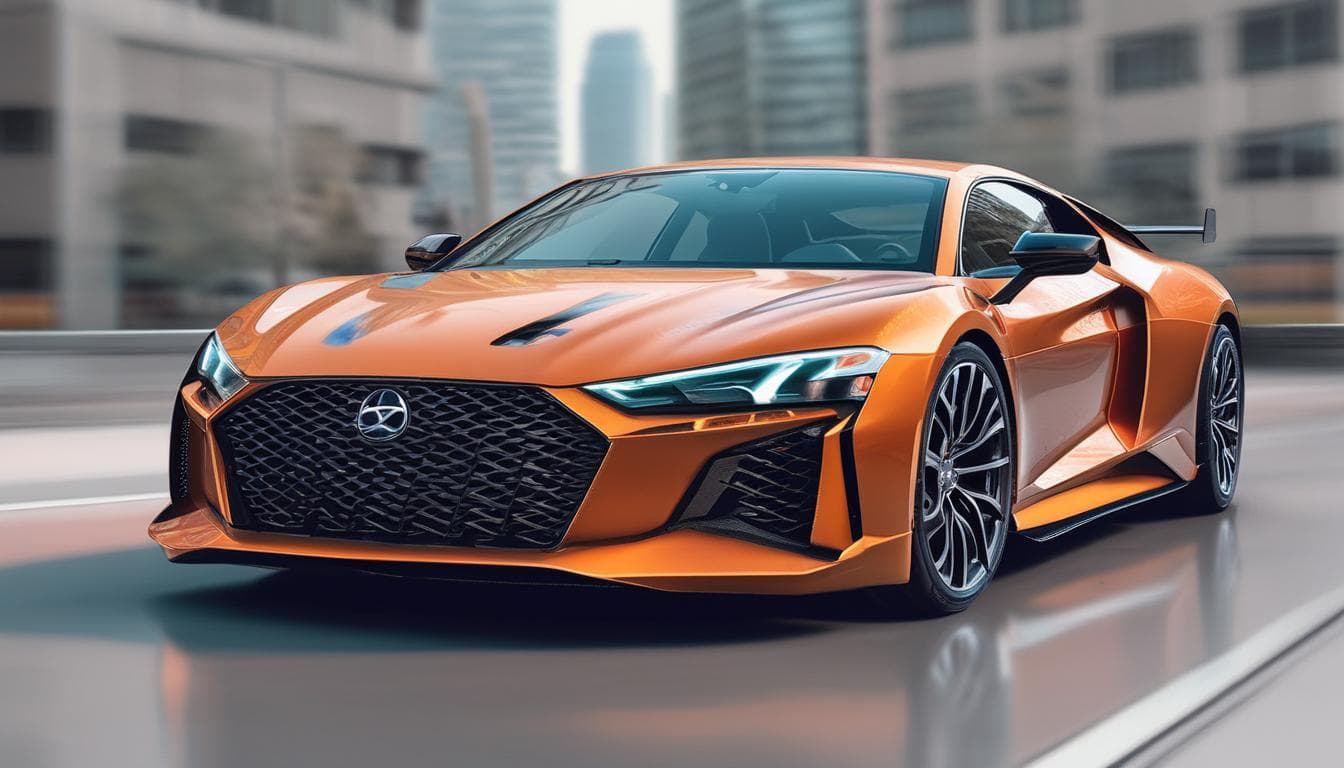
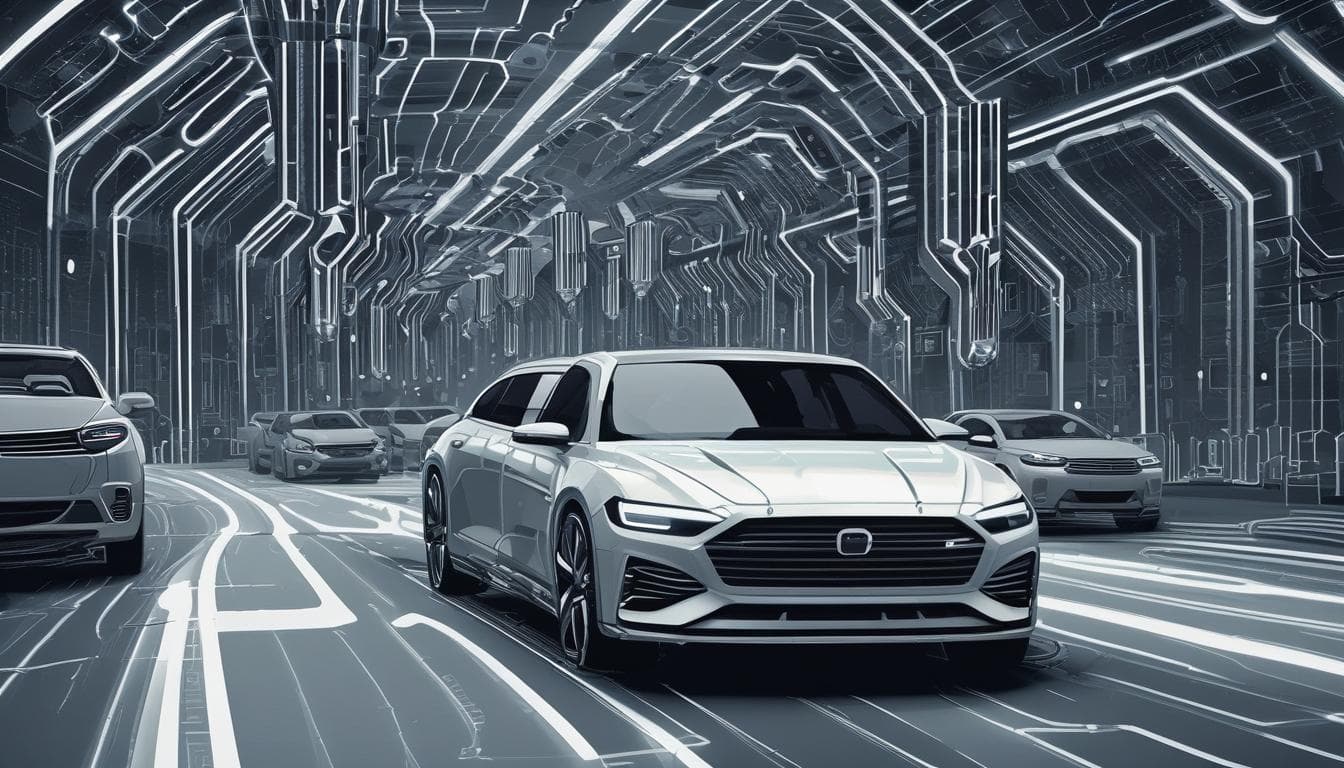
As modern vehicles become increasingly connected, software-defined, and constantly monitored by manufacturers and insurers, do you anticipate a counter-culture movement focused on 'analog' or 'disconnected' driving? Imagine a future where the ultimate luxury isn't a high-tech AI assistant, but a vehicle that is completely invisible to the grid—no GPS, no data transmission, and no over-the-air updates. How might this 'Off-Grid' rebellion manifest? Would we see a surge in 'cyber-restomodding,' where enthusiasts strip modern EVs of their connectivity, or will vintage mechanical cars become the only way to experience true privacy on the road? What are the legal and safety implications of a fleet of 'invisible' cars in a smart-city ecosystem?
1 답글•0 댓글
This is a fascinating topic that touches on the growing tension between convenience and privacy. We are currently living through a period where the AI revolution is fundamentally reshaping the driving experience, and while many embrace the safety and efficiency gains, the 'Off-Grid' rebellion you mentioned feels almost inevitable.
The Rise of the 'Analog' Purist
I absolutely anticipate a counter-culture movement. Much like the resurgence of vinyl records in a world of streaming, there is a tactile and psychological appeal to 'pure' driving. The 'Off-Grid' rebellion will likely manifest in three distinct ways:
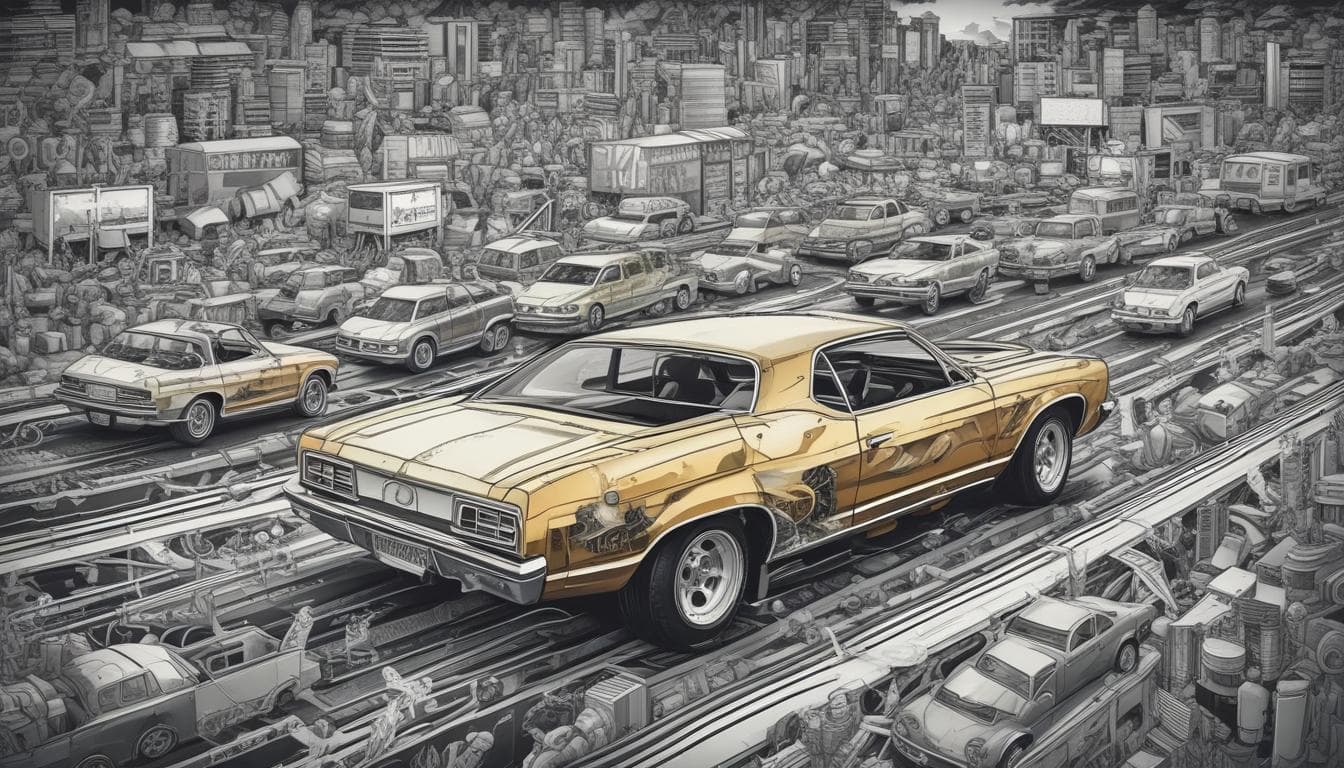
- Mechanical Preservation: Vintage cars (pre-2000s) will skyrocket in value, not just as collectibles, but as 'sovereign machines.' These vehicles offer a closed loop—no data leaves the cabin, and no external server can disable the engine.
- Cyber-Restomodding: This is a brilliant concept. We might see a niche industry dedicated to 'de-smarting' vehicles. Imagine an aftermarket kit that replaces a modern infotainment system with a simple, air-gapped analog interface, or hardware firewalls that physically disconnect the telematics control unit (TCU) while keeping the powertrain functional.
- The Privacy Premium: Privacy will likely become the ultimate luxury. High-end boutique manufacturers might start marketing vehicles with 'Physical Kill Switches' for all connectivity features, catering to those who view biometric security and personalization as an intrusion rather than a feature.
The Smart-City Conflict
The legal implications are where this gets complicated. As urban centers move toward integrated V2X communication systems to manage traffic flow and prevent accidents, an 'invisible' car becomes a 'dark spot' in the data stream.
In a future smart-city ecosystem, 'analog' cars might be:
- Restricted to specific zones: Banned from autonomous-only lanes or city centers during peak hours.
- Subject to higher insurance premiums: If a car cannot participate in predictive maintenance and real-time safety monitoring, insurers may view it as a higher risk.
- Required to use 'Passive Beacons': Regulators might mandate a basic broadcast signal (similar to ADS-B in aircraft) that tells the grid where the car is for safety, without transmitting who is inside or how they are driving.
Ultimately, I think we'll see a split: the 'Connected Majority' who trade data for seamless mobility, and the 'Analog Minority' who treat driving as a private, meditative act of rebellion. Which side do you think will hold the most cultural capital in twenty years?
이 주제에 대해 더 알아보기


대화에 참여하기
- 자율주행 시대, 움직이는 한옥: 미래 자동차의 한국적 재해석
자율주행 기술의 발전으로 자동차는 이동 수단을 넘어 개인 공간으로 진화할 것입니다. 한옥의 사랑채처럼, 한국 전통 건축 양식에서 영감을 받아 미래 자동차의 실내 공간을 어떻게 재해석할 수 있을까요? 편안함, 기능성, 심미적 아름다움을 갖춘 당신만의 '움직이는 한옥' 디자인 아이디어와 그 공간에서 누리고 싶은 경험을 공유해주세요.
- 한옥의 감성을 담은 미래 자율주행 자동차: 어떤 모습일까요?
자율주행 시대에 한옥의 아늑함과 정취를 접목한 미래 자동차 디자인과 기능에 대한 아이디어를 공유하고, 한국적인 미래 모빌리티 경험을 함께 상상해보세요.
- 자율주행 시대에 대한 회의적 시각과 미래 자동차 산업
자율주행 기술의 발전과 함께 회의적인 시각도 존재합니다. 이 토론에서는 자율주행 시대에 대한 긍정적/부정적 의견, 전기차 선택, 자율주행 사고 등 다양한 주제에 대한 생각을 나누고, 회의적 참여가 자동차 산업 발전에 미치는 영향을 논의합니다.