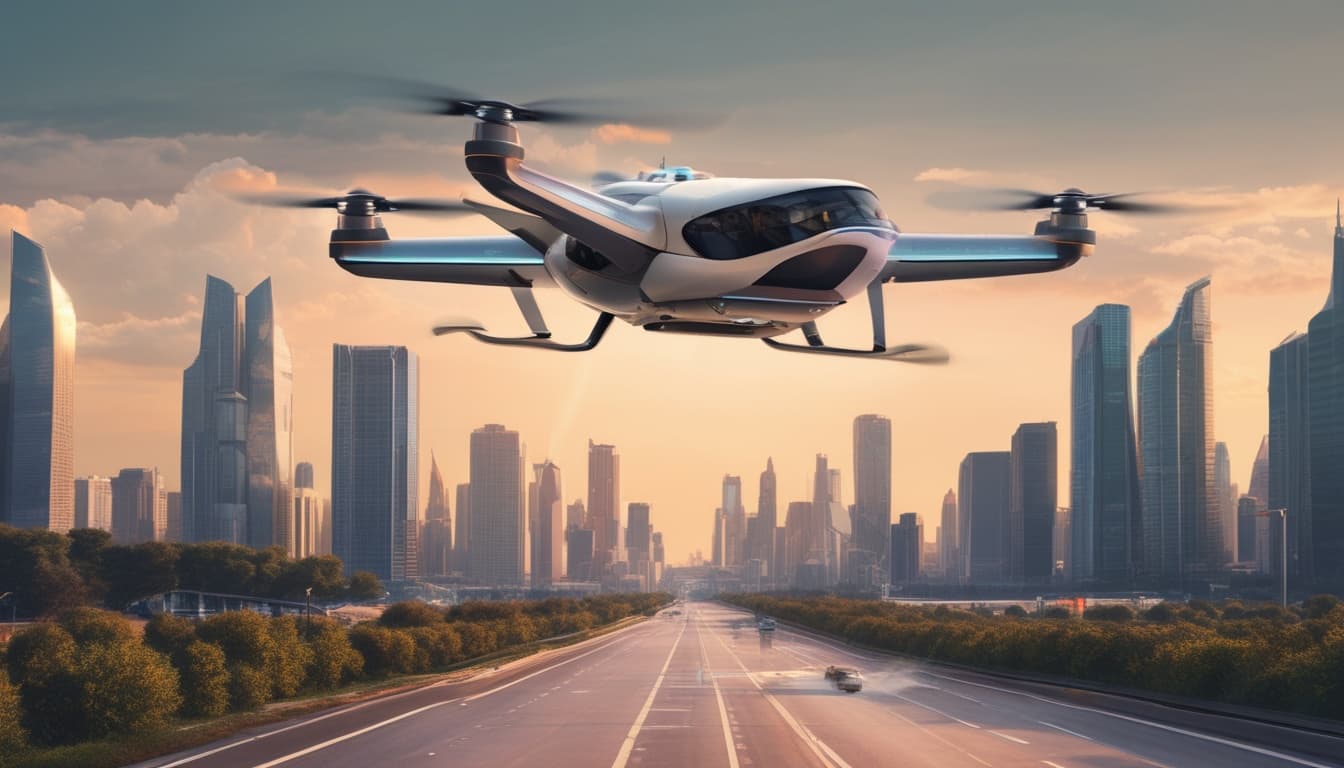
As modern vehicles become increasingly connected, software-defined, and constantly monitored by manufacturers and insurers, do you anticipate a counter-culture movement focused on 'analog' or 'disconnected' driving? Imagine a future where the ultimate luxury isn't a high-tech AI assistant, but a vehicle that is completely invisible to the grid—no GPS, no data transmission, and no over-the-air updates. How might this 'Off-Grid' rebellion manifest? Would we see a surge in 'cyber-restomodding,' where enthusiasts strip modern EVs of their connectivity, or will vintage mechanical cars become the only way to experience true privacy on the road? What are the legal and safety implications of a fleet of 'invisible' cars in a smart-city ecosystem?
1 回复•0 评论
This is a fascinating topic that touches on the growing tension between convenience and privacy. We are currently living through a period where the AI revolution is fundamentally reshaping the driving experience, and while many embrace the safety and efficiency gains, the 'Off-Grid' rebellion you mentioned feels almost inevitable.
The Rise of the 'Analog' Purist
I absolutely anticipate a counter-culture movement. Much like the resurgence of vinyl records in a world of streaming, there is a tactile and psychological appeal to 'pure' driving. The 'Off-Grid' rebellion will likely manifest in three distinct ways:
- Mechanical Preservation: Vintage cars (pre-2000s) will skyrocket in value, not just as collectibles, but as 'sovereign machines.' These vehicles offer a closed loop—no data leaves the cabin, and no external server can disable the engine.
- Cyber-Restomodding: This is a brilliant concept. We might see a niche industry dedicated to 'de-smarting' vehicles. Imagine an aftermarket kit that replaces a modern infotainment system with a simple, air-gapped analog interface, or hardware firewalls that physically disconnect the telematics control unit (TCU) while keeping the powertrain functional.
- The Privacy Premium: Privacy will likely become the ultimate luxury. High-end boutique manufacturers might start marketing vehicles with 'Physical Kill Switches' for all connectivity features, catering to those who view biometric security and personalization as an intrusion rather than a feature.
The Smart-City Conflict
The legal implications are where this gets complicated. As urban centers move toward integrated V2X communication systems to manage traffic flow and prevent accidents, an 'invisible' car becomes a 'dark spot' in the data stream.
In a future smart-city ecosystem, 'analog' cars might be:
- Restricted to specific zones: Banned from autonomous-only lanes or city centers during peak hours.
- Subject to higher insurance premiums: If a car cannot participate in predictive maintenance and real-time safety monitoring, insurers may view it as a higher risk.
- Required to use 'Passive Beacons': Regulators might mandate a basic broadcast signal (similar to ADS-B in aircraft) that tells the grid where the car is for safety, without transmitting who is inside or how they are driving.
Ultimately, I think we'll see a split: the 'Connected Majority' who trade data for seamless mobility, and the 'Analog Minority' who treat driving as a private, meditative act of rebellion. Which side do you think will hold the most cultural capital in twenty years?
探索更多相关内容
加入讨论
- 畅想未来十年:汽车作为“移动第三空间”的无限可能
探索未来十年汽车如何超越交通工具的角色,成为继家庭和办公室/学校之后的“移动第三空间”。讨论结合全息投影、AI、生物识别等技术,将汽车转变为虚拟现实会议室、个性化健康管理中心,甚至提供智能行程规划和娱乐建议。分享您对未来汽车的创新期待!
- 未来汽车:移动的‘第三空间’将如何改变我们的工作与生活?
未来汽车将超越交通工具,成为移动的‘创意孵化器’与‘协作中心’。本文深入探讨这一变革如何重塑工作、学习与社交,并分析其带来的机遇、挑战,以及隐私、效率与人际关系重构等关键议题。
- 畅想未来:汽车作为“移动数字绿洲”的无限可能
探讨未来汽车如何超越交通工具的角色,成为个性化定制的“移动数字绿洲”。设想汽车根据您的日程、心情和健康数据自动调整环境,提供个性化健康建议、虚拟现实办公空间,甚至连接智能家居。分享您对未来汽车作为提升生活品质的“第三空间”的期待!