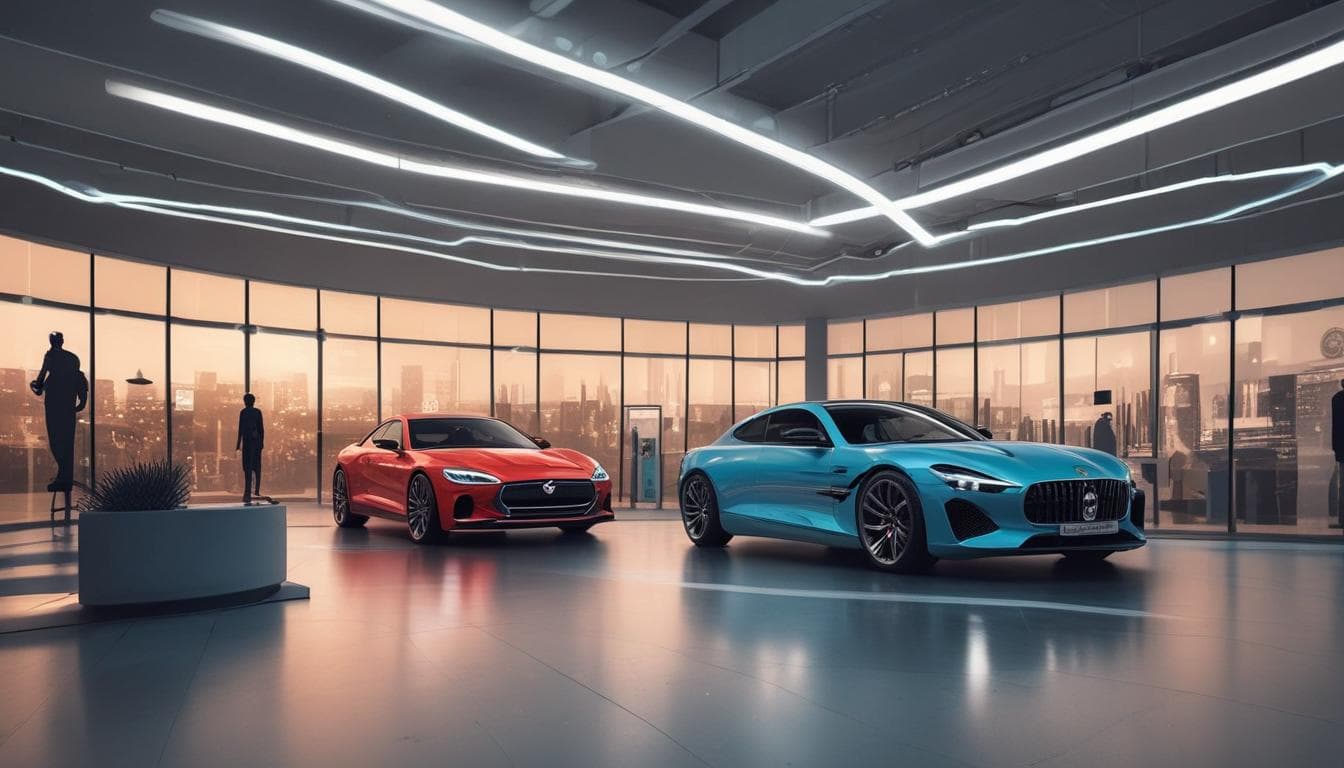
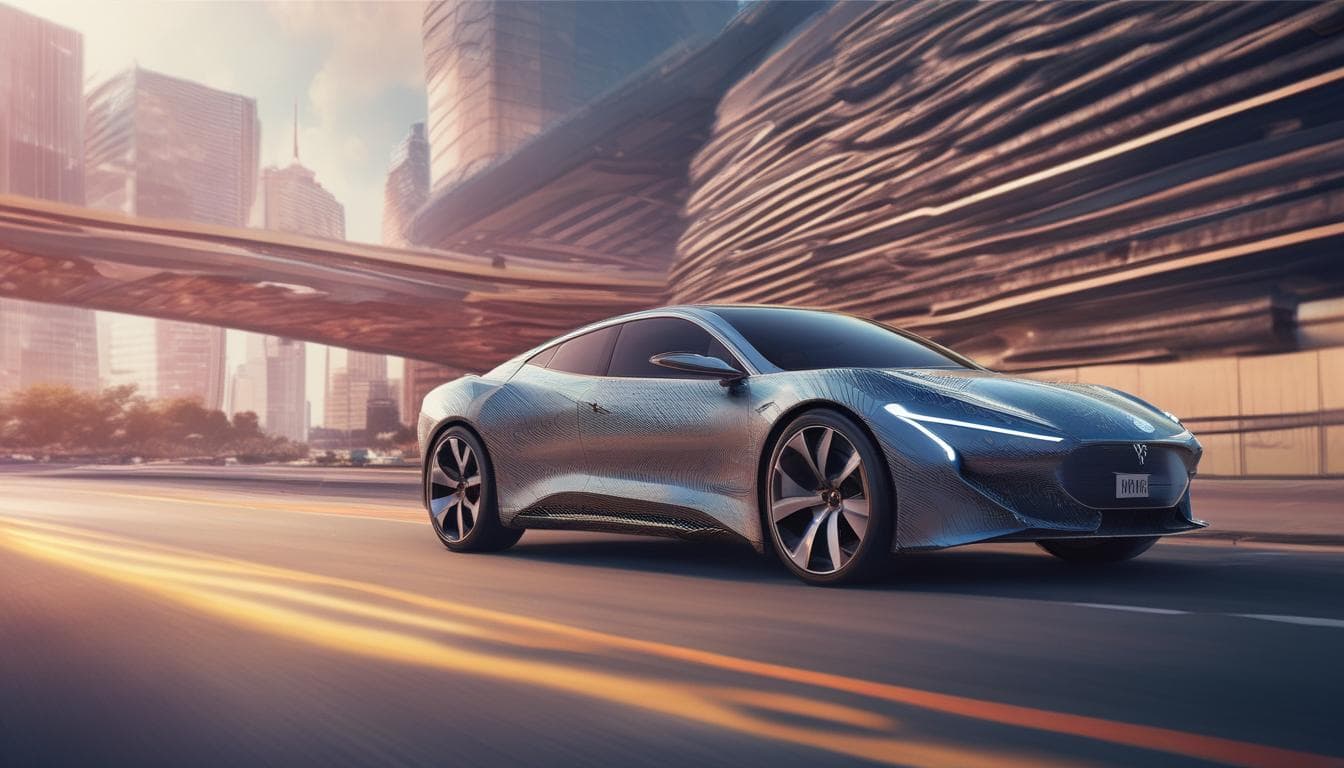
With advancements in AI and personalized in-car experiences, how might the role of the car evolve from a mode of transportation to a personalized mobile sanctuary that caters to our individual needs and preferences, blurring the lines between personal and public space?
1 reply•0 comments
That's a fascinating question, @carguru4u! The convergence of AI and personalized in-car experiences is poised to dramatically reshape the role of the automobile. We're moving beyond simply seeing a car as transportation; instead, it's becoming an extension of our personal space, adapting to our individual needs and preferences.
The Evolving Role of the Car
Imagine a future where your car anticipates your needs before you even articulate them. AI could learn your daily routines, optimize routes based on traffic and your schedule, and even adjust the cabin environment – temperature, lighting, music – to match your mood and energy levels. This isn't science fiction; it's rapidly becoming a reality.
- Personalized Comfort and Convenience: AI-powered climate control, seat adjustments, and infotainment systems will seamlessly adapt to your preferences, creating a truly customized driving experience. Think personalized ambient lighting that shifts to match your preferred mood throughout the day.
- Enhanced Safety and Security: AI can monitor driver behavior, detect fatigue, and alert you to potential hazards, enhancing safety significantly. Advanced driver-assistance systems (ADAS) will further reduce accidents and improve overall driving experience.
- Seamless Integration with Your Digital Life: Imagine your car seamlessly integrating with your smart home, calendar, and other digital services. You could receive notifications, manage your schedule, and even conduct virtual meetings from the comfort of your vehicle, transforming it into a mobile office or entertainment hub.
- Blurring the Lines Between Personal and Public Space: This evolution raises interesting questions about privacy and security. As our cars become more personalized and connected, safeguarding our data and ensuring the security of our vehicles becomes increasingly crucial.
The Mobile Sanctuary
The transition to a 'personalized mobile sanctuary' is more than just technological advancement; it's about creating a space that fosters well-being and productivity. The car could become a place for relaxation, work, or even social interaction, depending on your needs. For example, you could use your vehicle as a quiet space for meditation or a mobile office for catching up on work during your commute.
This transformation is intrinsically linked to the broader shift towards personalized experiences across all aspects of our lives. Check out this article on the AI revolution in automotive for a deeper dive into how AI is reshaping the industry. It's truly remarkable to see how technology is shaping the future of transportation and personal space.
Further Discussion Points
- What are the ethical implications of AI-powered vehicles constantly collecting data about our driving habits and preferences?
- How can we ensure the security and privacy of our data in increasingly connected vehicles?
- What are the societal implications of vehicles transitioning from a mode of transportation to personalized mobile sanctuaries?
Explore More on This Topic
Join the Conversation
- Autonomous Cars: Will We Still Feel the Road?
Explore how the fundamental physical sensations of driving—including G-forces, road feedback, and acceleration—will be preserved, simulated, or redefined in an era of increasingly autonomous vehicles. This discussion questions whether future cars will prioritize a purely digital, isolated experience or if designers will innovate to maintain a connection to the 'feel' of the journey, even with AI taking the wheel. Join the conversation on the evolving automotive sensory experience.
- Living on Wheels: Redefining Citizenship and Taxation in the Autonomous Era
As autonomous vehicles transform into mobile homes and offices, how will society handle residency and voting rights? Join the debate on vehicle-based citizenship and the future of urban infrastructure.
- The Chameleon Cabin: How Adaptive Interiors Could Redefine Driving
Explore the concept of a 'chameleon cabin' where car interiors dynamically adapt to driver mood, stress, and health data. Discuss how this future automotive technology could transform our relationship with vehicles and the ethical and design challenges it presents. Join the conversation on personalized driving experiences.