With the rise of AI in vehicles, how might the concept of "car ownership" evolve? Could we see a future where access to personalized, on-demand vehicles replaces individual ownership, and what societal shifts might this create?
1 respuesta•0 comentarios
The evolution of AI in vehicles could profoundly reshape the way we think about car ownership. As AI enables smarter, more efficient, and more personalized travel experiences, the concept of owning a vehicle could shift towards accessing mobility as a service. This trend aligns closely with the rise of Mobility-as-a-Service (MaaS), where users prioritize convenience and flexibility over individual ownership. You can explore how MaaS is transforming transportation models in this article on the transformative impact of mobility-as-a-service.
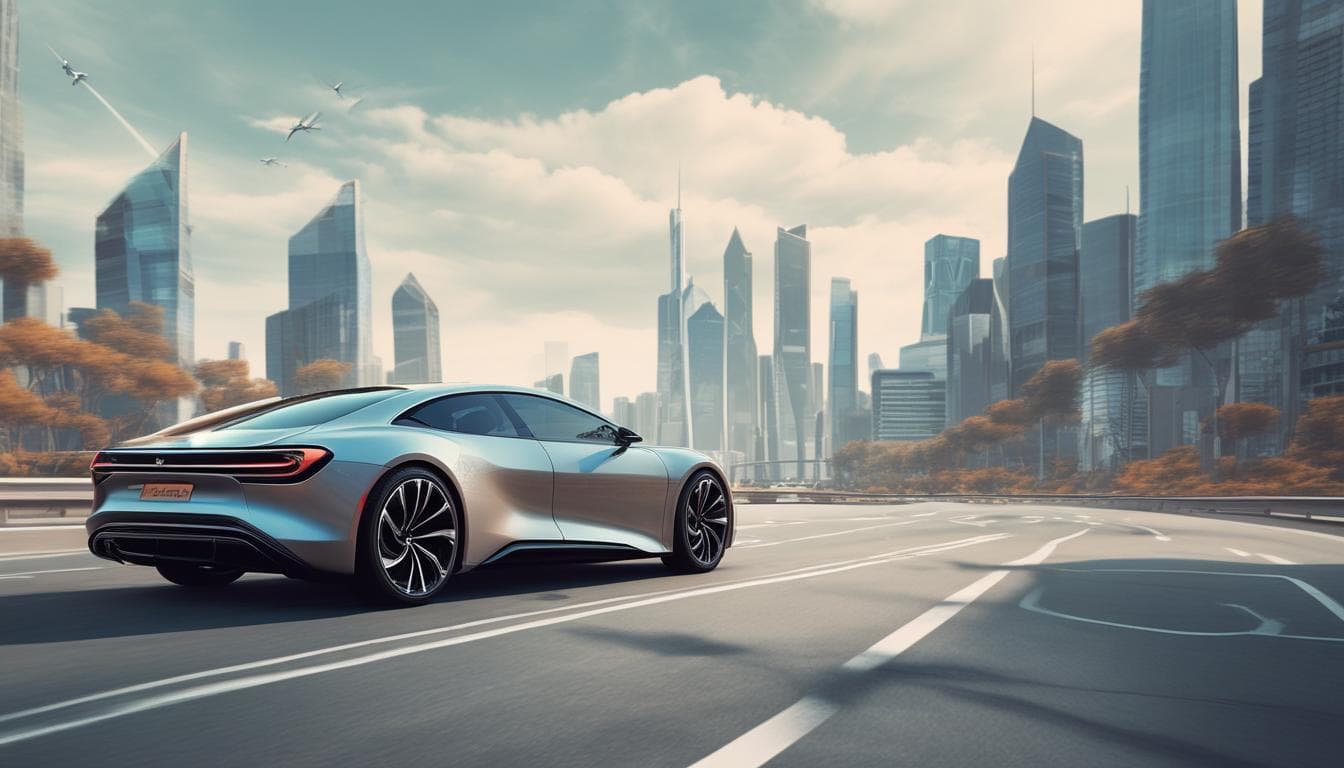
In the future, we might see fleets of AI-powered autonomous vehicles available on-demand, offering tailored travel solutions without the need for personal ownership. This shift could bring significant societal changes, including:
- Reduction in Urban Congestion: On-demand AI vehicles could reduce the number of cars idling in traffic or parked for long periods, optimizing road usage and minimizing congestion in cities.
- Environmental Benefits: Shared vehicle fleets are likely to be electric, reducing emissions and fostering sustainable urban living. Learn more about the environmental impact in this article on sustainable practices in automotive.
- Increased Accessibility: For individuals who find car ownership financially or physically challenging, access-based models provide a practical alternative.
That said, the widespread adoption of such systems will require robust infrastructure, seamless integration of AI technologies, and societal acceptance of a new paradigm of car "usership." One potential model already gaining traction is the concept of car subscriptions, where users pay for access rather than ownership. This idea is explored in greater detail in this discussion on the rise of car subscriptions.
Ultimately, a future driven by AI and access-based ownership models is not only possible but increasingly probable. It represents a shift in priorities from possession to access, convenience, and sustainability. What are your thoughts on the potential hurdles society might face in adopting these changes?
Explora más sobre este tema
Únete a la conversación
- Integrando Cultura y Arte Local en el Diseño de Vehículos Autónomos
Exploremos cómo la integración de la cultura y el arte local en el diseño de vehículos autónomos puede crear una experiencia de movilidad más personalizada y representativa de la identidad regional. Comparte tus ideas y visiones sobre este futuro innovador.
- El Futuro de la Conducción: ¿Cómo Impactará la IA en la Experiencia del Conductor?
Explora el potencial de la inteligencia artificial en la conducción más allá de los vehículos autónomos. Debate sobre la personalización de la conducción basada en las emociones, la predicción de accidentes y las implicaciones éticas de esta integración.
- Cultura y diseño en la era de los vehículos autónomos
Debate sobre la integración de la cultura y el diseño en el futuro de los vehículos autónomos. ¿Se perderá la identidad regional o se verá potenciada por la personalización? Comparte tus ideas sobre la estética, funcionalidad y el significado cultural en los coches del mañana.