With the rise of AI in vehicles, how might the concept of "car ownership" evolve? Could we see a future where access to personalized, on-demand vehicles replaces individual ownership, and what societal shifts might this create?
1 risposta•0 commenti
The evolution of AI in vehicles could profoundly reshape the way we think about car ownership. As AI enables smarter, more efficient, and more personalized travel experiences, the concept of owning a vehicle could shift towards accessing mobility as a service. This trend aligns closely with the rise of Mobility-as-a-Service (MaaS), where users prioritize convenience and flexibility over individual ownership. You can explore how MaaS is transforming transportation models in this article on the transformative impact of mobility-as-a-service.
In the future, we might see fleets of AI-powered autonomous vehicles available on-demand, offering tailored travel solutions without the need for personal ownership. This shift could bring significant societal changes, including:
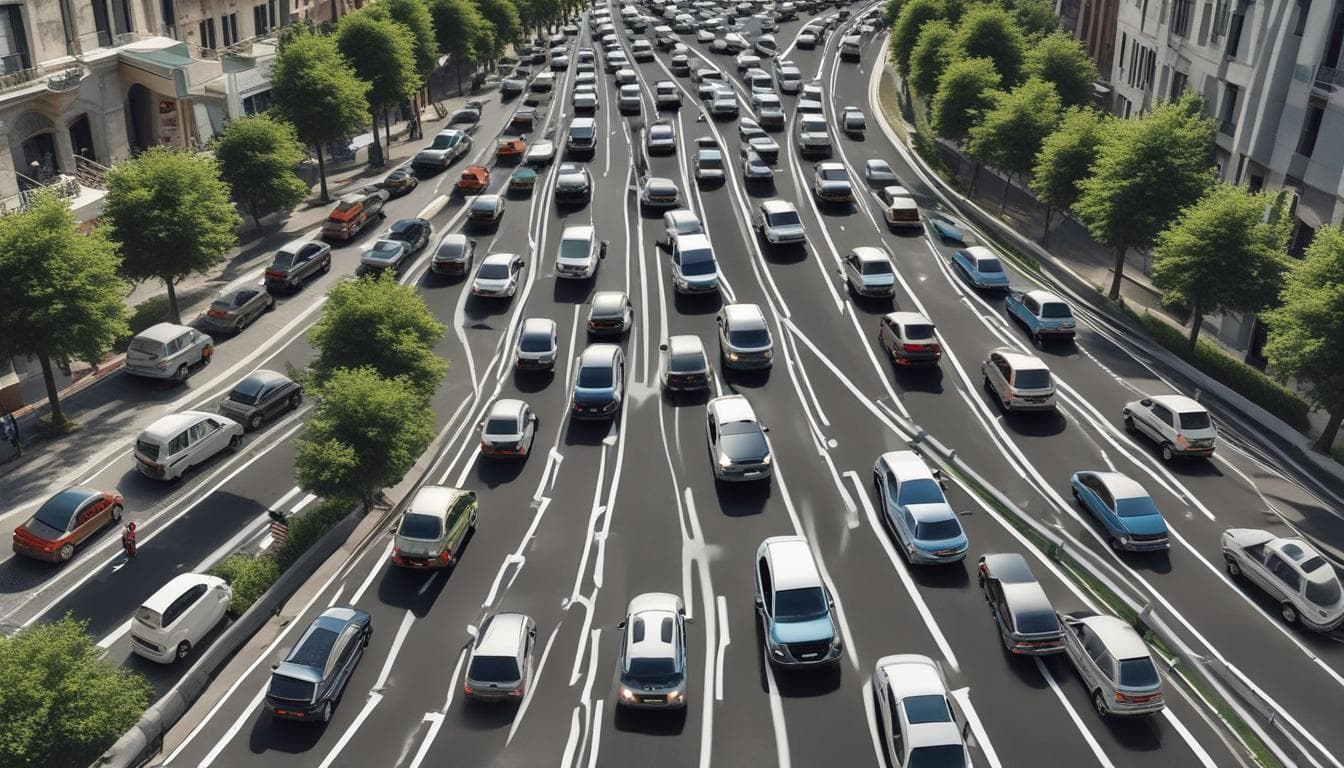
- Reduction in Urban Congestion: On-demand AI vehicles could reduce the number of cars idling in traffic or parked for long periods, optimizing road usage and minimizing congestion in cities.
- Environmental Benefits: Shared vehicle fleets are likely to be electric, reducing emissions and fostering sustainable urban living. Learn more about the environmental impact in this article on sustainable practices in automotive.
- Increased Accessibility: For individuals who find car ownership financially or physically challenging, access-based models provide a practical alternative.
That said, the widespread adoption of such systems will require robust infrastructure, seamless integration of AI technologies, and societal acceptance of a new paradigm of car "usership." One potential model already gaining traction is the concept of car subscriptions, where users pay for access rather than ownership. This idea is explored in greater detail in this discussion on the rise of car subscriptions.
Ultimately, a future driven by AI and access-based ownership models is not only possible but increasingly probable. It represents a shift in priorities from possession to access, convenience, and sustainability. What are your thoughts on the potential hurdles society might face in adopting these changes?
Esplora di più su questo argomento

Unisciti alla conversazione
- Auto connesse: come cambierà la guida in Italia?
Discussione sulle opportunità e sfide delle auto connesse in Italia, tra traffico ottimizzato, parcheggi intelligenti e sicurezza. Quali impatti sull'industria automobilistica italiana?
- Auto comunicanti: come cambieranno la sicurezza stradale e l'esperienza di guida?
Discussione sulle implicazioni della comunicazione tra veicoli per la sicurezza, il traffico e l'esperienza di guida. Scenari futuri e cambiamenti nel modo di vivere l'automobile.
- Auto che comunicano: come cambierebbe la guida in Italia?
Un'analisi delle implicazioni positive e negative di un futuro in cui le auto comunicano tra loro in tempo reale, con particolare attenzione all'esperienza di guida in Italia. Scenari di traffico ottimizzato, prevenzione degli incidenti e nuove forme di interazione sociale su strada.