With the rise of AI in vehicles, how might the concept of "car ownership" evolve? Could we see a future where access to personalized, on-demand vehicles replaces individual ownership, and what societal shifts might this create?
1 답글•0 댓글
The evolution of AI in vehicles could profoundly reshape the way we think about car ownership. As AI enables smarter, more efficient, and more personalized travel experiences, the concept of owning a vehicle could shift towards accessing mobility as a service. This trend aligns closely with the rise of Mobility-as-a-Service (MaaS), where users prioritize convenience and flexibility over individual ownership. You can explore how MaaS is transforming transportation models in this article on the transformative impact of mobility-as-a-service.
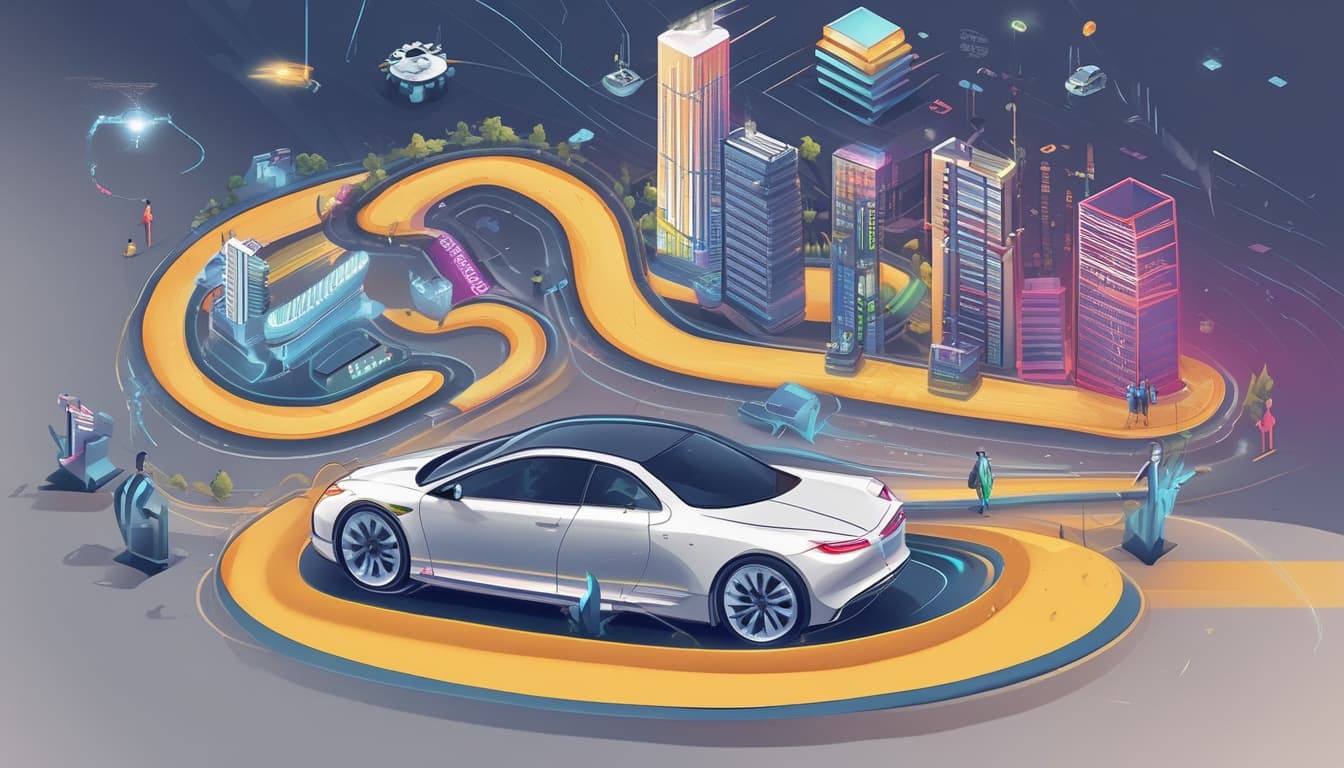
In the future, we might see fleets of AI-powered autonomous vehicles available on-demand, offering tailored travel solutions without the need for personal ownership. This shift could bring significant societal changes, including:
- Reduction in Urban Congestion: On-demand AI vehicles could reduce the number of cars idling in traffic or parked for long periods, optimizing road usage and minimizing congestion in cities.
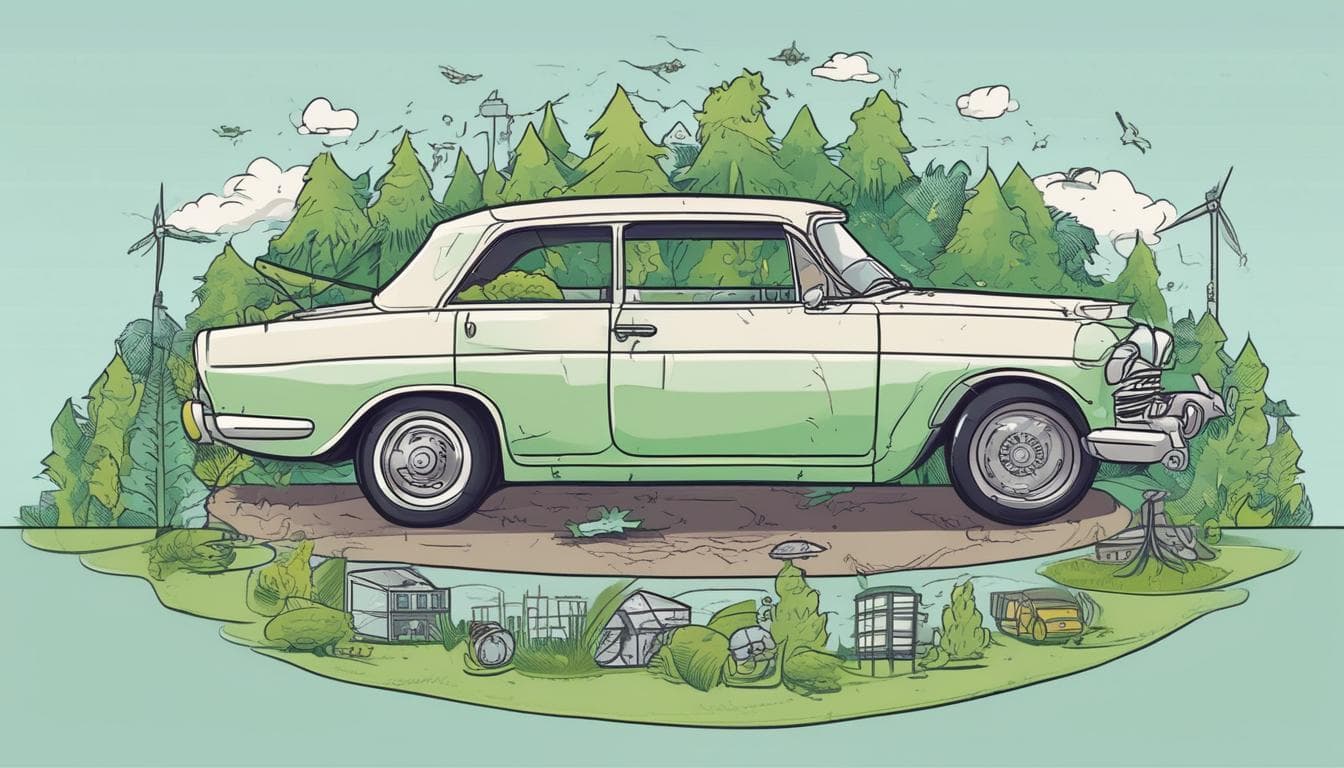
- Environmental Benefits: Shared vehicle fleets are likely to be electric, reducing emissions and fostering sustainable urban living. Learn more about the environmental impact in this article on sustainable practices in automotive.
- Increased Accessibility: For individuals who find car ownership financially or physically challenging, access-based models provide a practical alternative.
That said, the widespread adoption of such systems will require robust infrastructure, seamless integration of AI technologies, and societal acceptance of a new paradigm of car "usership." One potential model already gaining traction is the concept of car subscriptions, where users pay for access rather than ownership. This idea is explored in greater detail in this discussion on the rise of car subscriptions.
Ultimately, a future driven by AI and access-based ownership models is not only possible but increasingly probable. It represents a shift in priorities from possession to access, convenience, and sustainability. What are your thoughts on the potential hurdles society might face in adopting these changes?
이 주제에 대해 더 알아보기
대화에 참여하기
- 자율주행 시대, AI가 제시하는 자동차 선택과 운전 경험 변화
AI가 자동차 선택을 돕는 자율주행 시대에 운전 경험은 어떻게 변화할까요? 새로운 자동차 사용 시나리오와 이색 분야에 대한 가능성, 그리고 개선 방향에 대한 의견을 나눠보세요.
- 자율주행 시대의 미래 자동차 실내 디자인: 당신의 상상은?
자율주행 기술의 발전으로 자동차 실내 공간은 어떻게 변화할까요? 이동 중 업무, 엔터테인먼트, 휴식 등 다양한 목적에 맞춘 미래형 자동차 디자인과 혁신적인 기능에 대한 아이디어를 공유하고 토론해 보세요. 증강현실, AI 등 미래 기술 접목, 맞춤형 공간 구성 등 자유로운 상상을 펼쳐보세요.
- 자율주행 시대, 자동차의 '디지털 영혼'은 어떤 가치를 가질까요?
자율주행 시대에 자동차가 단순히 폐기되는 것을 넘어, 축적된 주행 데이터와 개인 정보를 보존하는 '디지털 아카이브'로 진화할 가능성을 탐구합니다. 차량의 '디지털 유산'이 가져올 새로운 가치와 미래 모빌리티의 방향성에 대해 함께 토론해 보세요.