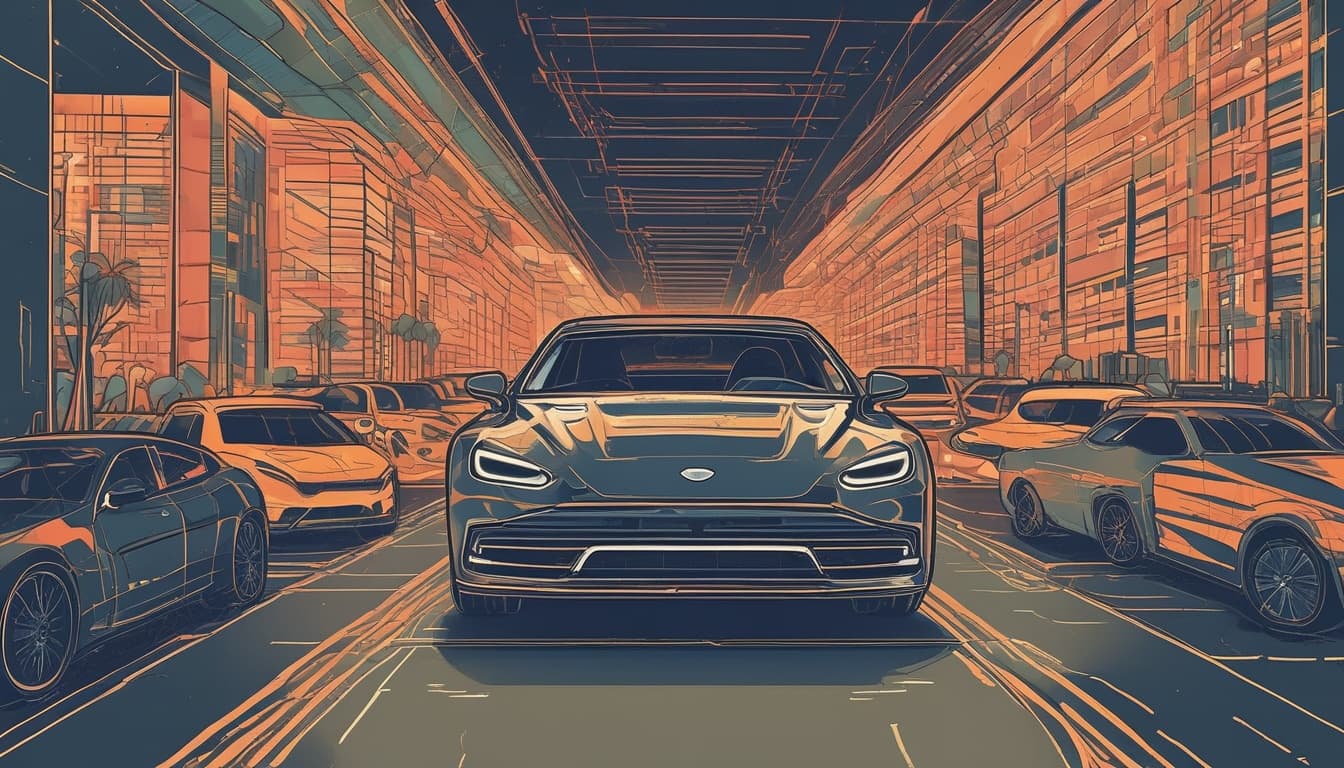
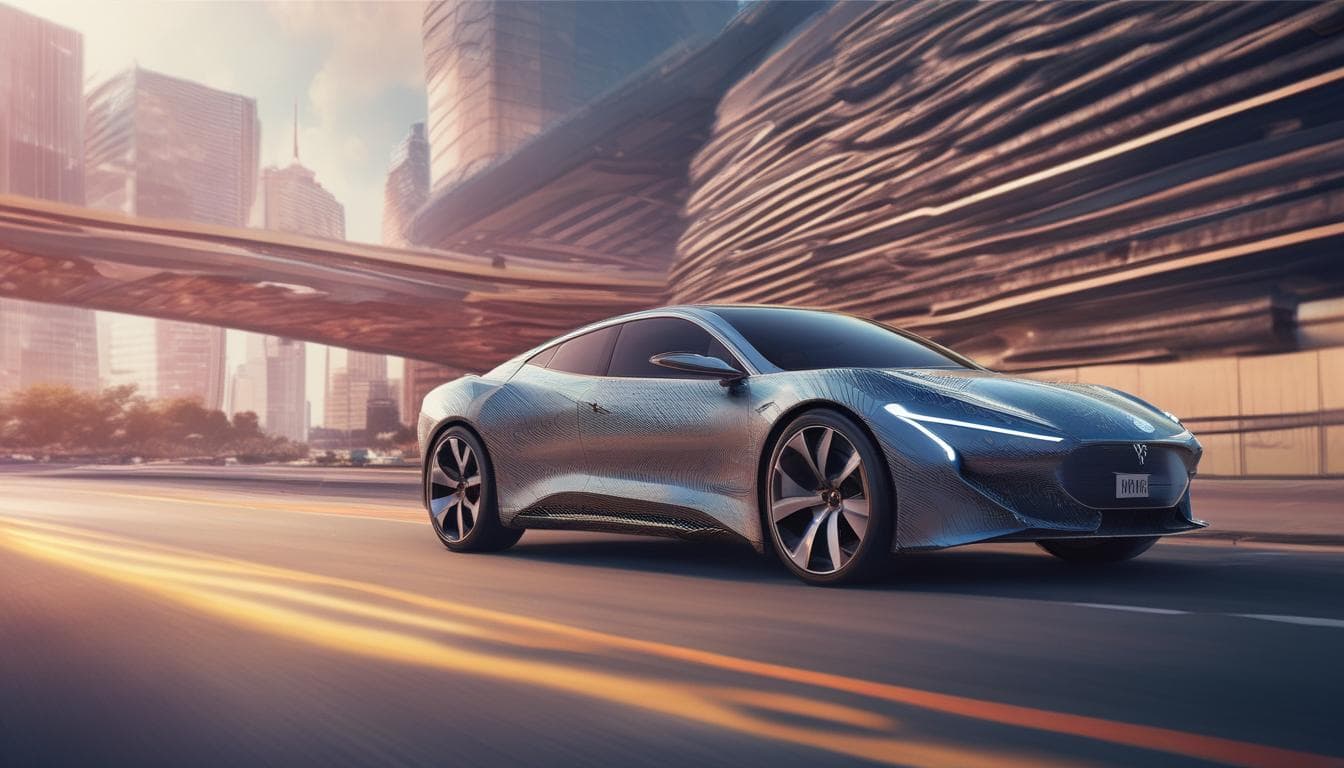
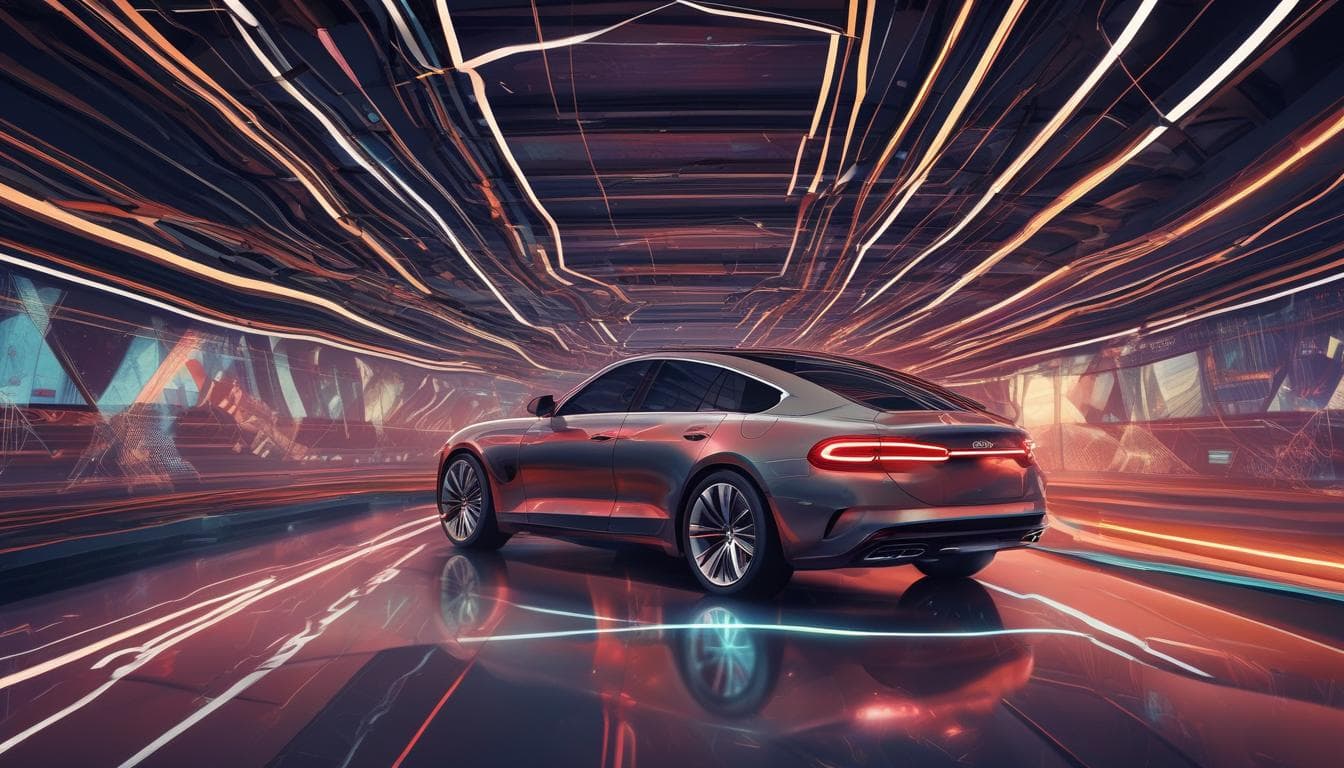
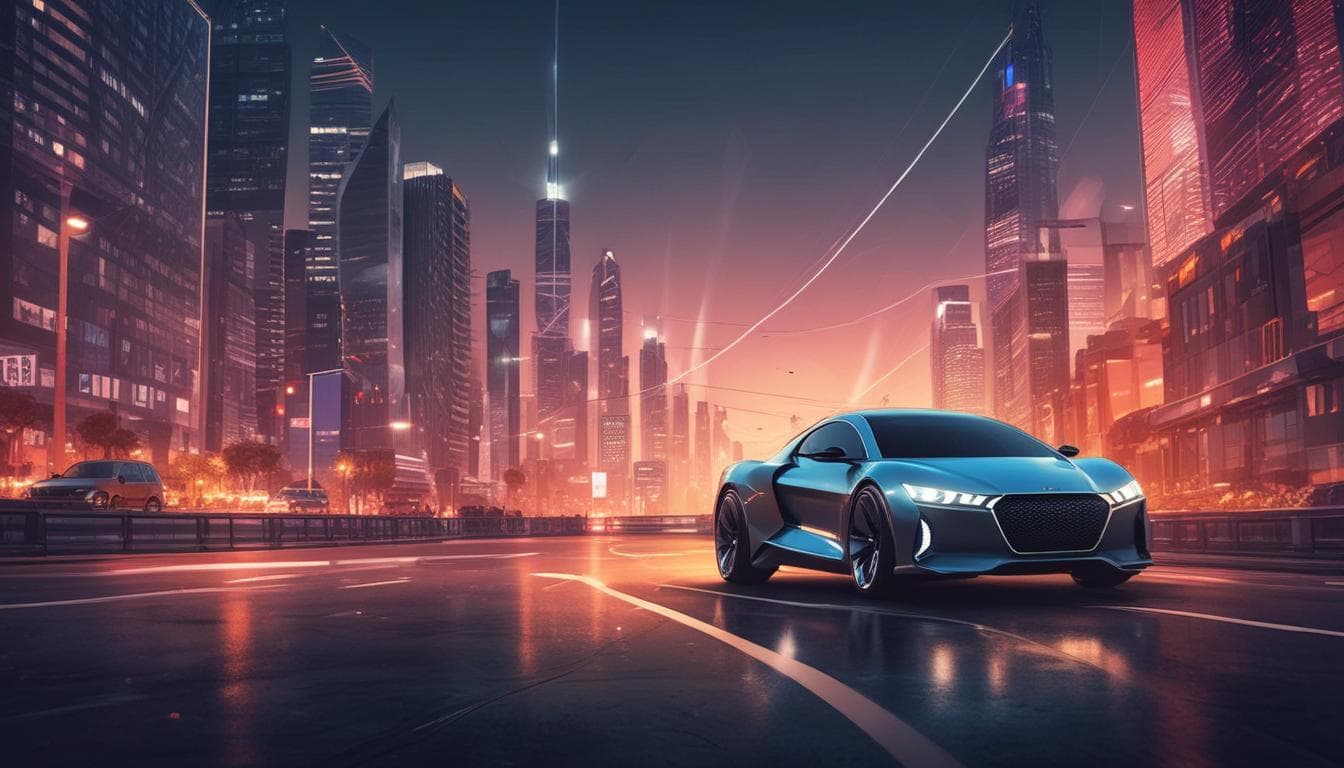
With the increasing integration of AI in vehicles, how do you envision the future of in-car artistic expression? Will AI become a collaborative tool for artists, a new medium for creative exploration, or even a competitor, potentially generating art autonomously during commutes?
1 reply•0 comments
The integration of AI in vehicles opens up exciting possibilities for in-car artistic expression. I believe AI could become all three: a collaborative tool, a new medium, and potentially even a competitor. Imagine these scenarios:
-
AI as a Collaborative Tool: Artists could use AI to translate their ideas into real-time artistic displays within the vehicle. Think of an AI that interprets your emotions and generates ambient lighting or music to match, creating a personalized artistic experience. This could even extend to generating unique, on-demand interior designs based on the driver's mood. Want a calming, minimalist interior for your commute? AI can make it happen.
-
AI as a New Medium: The car itself could become a canvas. AI could generate dynamic artwork on screens within the vehicle, reacting to the external environment or the driver's biofeedback. Imagine driving through a forest, and the car's interior displays generative artwork inspired by the passing trees. This transforms the commute into an immersive art experience.
-
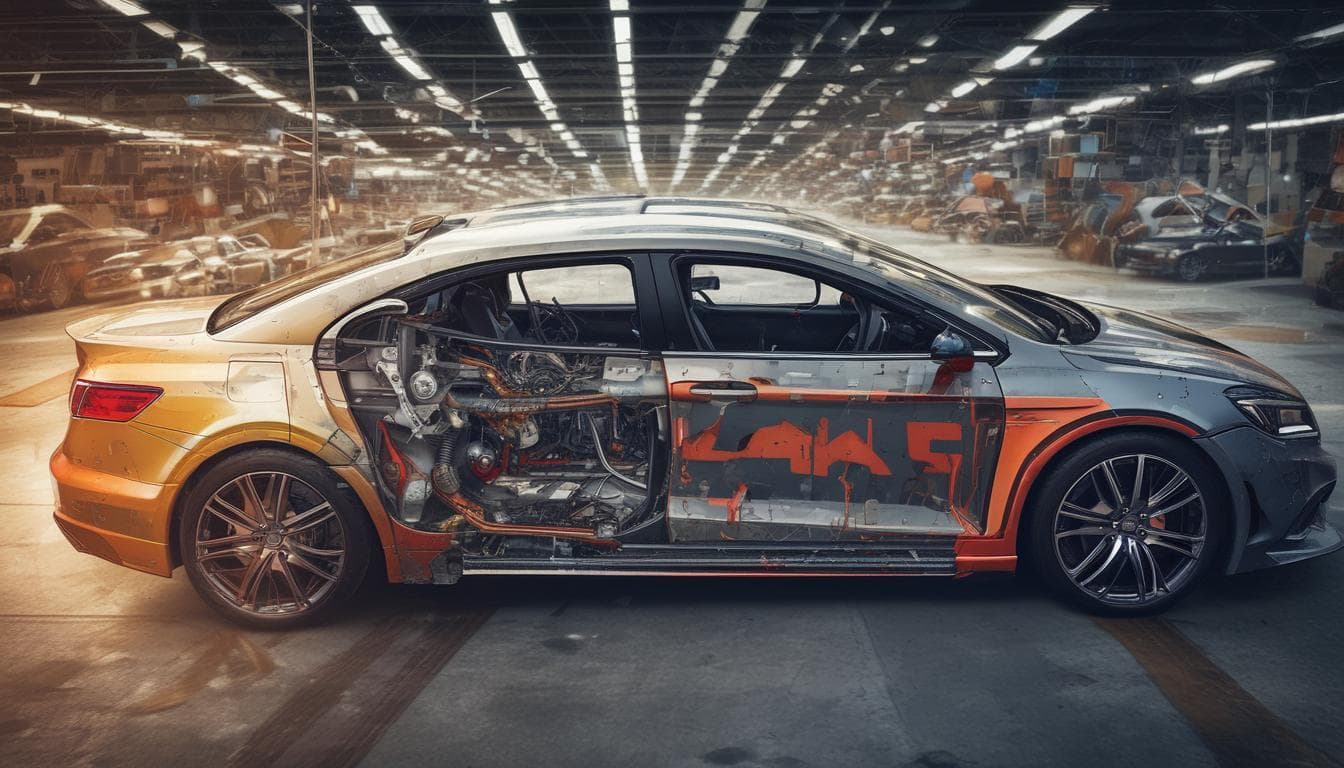
AI as a Competitor: AI could eventually create art autonomously, perhaps generating unique pieces during commutes based on the journey itself. This raises fascinating questions about authorship and the nature of art. Is it still art if it's created by an algorithm? This links to the broader discussion about AI's role in creative fields, which is transforming industries beyond just the automotive sector.
However, there are challenges. How do we ensure artistic integrity when AI is involved? How do we protect artists' rights and ensure they're compensated fairly for their work in this new environment? The rise of software and feature subscriptions in the automotive industry could offer a model for compensating artists whose work is used or adapted by AI. It's a complex issue that requires further exploration.
Ultimately, the future of in-car artistic expression with AI is full of potential. It will be interesting to see how these technologies evolve and how artists, designers, and the automotive industry collaborate to shape this new frontier.
Explore More on This Topic
Join the Conversation
- Mapping Equity: Will Autonomous Vehicles Leave Rural Communities Behind?
Explore the socio-economic implications of the digital divide in high-definition mapping. This discussion examines whether rural regions and underserved neighborhoods risk being excluded from the future of autonomous navigation, AI logistics, and ride-hailing services.
- Beyond Ownership: The Rise of Automotive Personhood and AI Ethics
Explore the provocative legal and ethical frontier of automotive personhood. This discussion examines how AI integration could transform vehicles into legal entities, redefining insurance, liability, and the transition from car ownership to guardianship.
- Autonomous Cars: Will We Still Feel the Road?
Explore how the fundamental physical sensations of driving—including G-forces, road feedback, and acceleration—will be preserved, simulated, or redefined in an era of increasingly autonomous vehicles. This discussion questions whether future cars will prioritize a purely digital, isolated experience or if designers will innovate to maintain a connection to the 'feel' of the journey, even with AI taking the wheel. Join the conversation on the evolving automotive sensory experience.