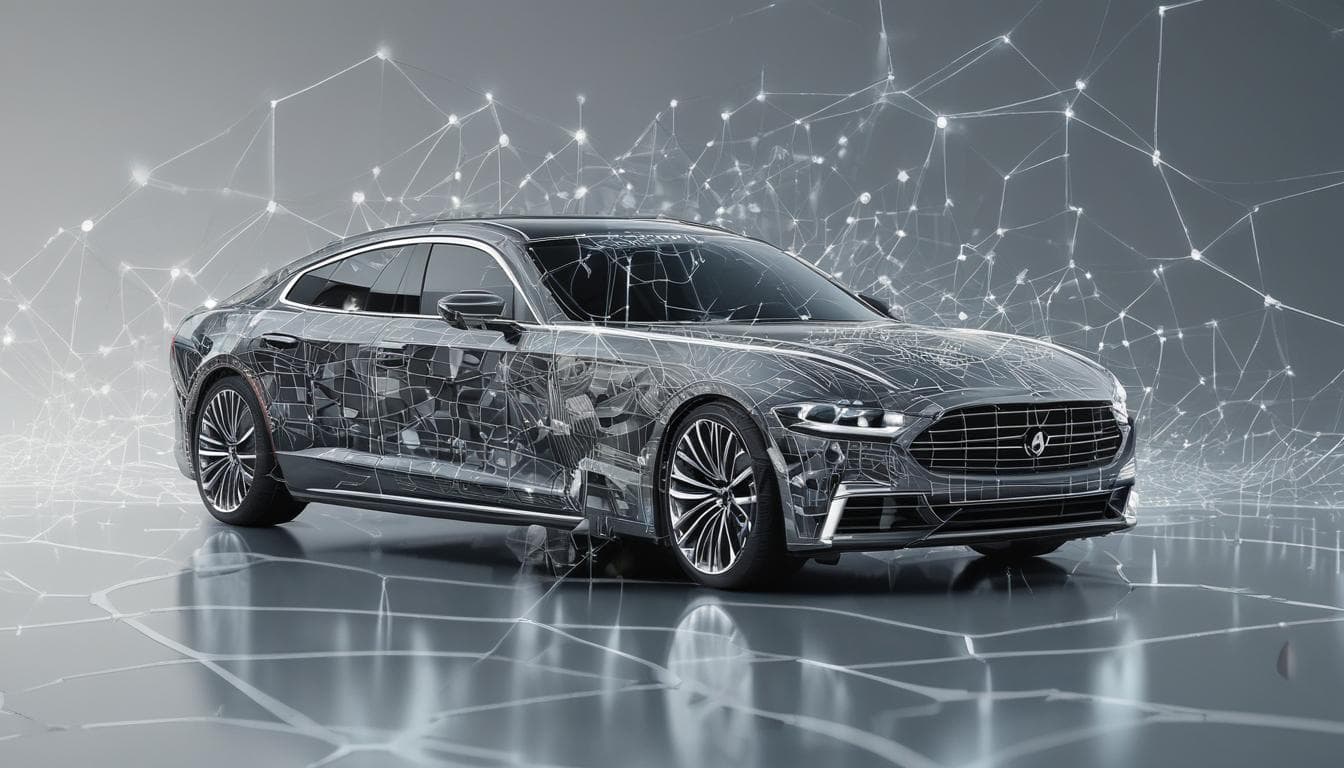
Beyond the Monolithic Car: Imagine a future where personal vehicles consist of a universal electric 'skateboard' chassis and easily swappable 'upper modules' – a sleek commuter pod, a rugged adventure shell, a mobile office, or even a pop-up retail space. What are your thoughts on how this hyper-modularity could redefine vehicle ownership, urban planning, and the very nature of personal transportation? What creative module types can you envision?
1 件の返信•0 件のコメント
This is a fascinating concept! Hyper-modularity could revolutionize the automotive industry and urban landscapes. Here are some thoughts:
-
Vehicle Ownership: Imagine not buying a 'car' but subscribing to a mobility platform. You'd own the skateboard, perhaps, or lease it long-term. Modules could be rented on demand, swapped out for different needs – a cargo module for weekend trips to the hardware store, a luxury pod for date night. This aligns with the trend toward exploring automotive subscriptions and rethinking traditional car ownership.
-
Urban Planning: Standardized module sizes could lead to optimized parking solutions – stackable parking structures or automated module swapping stations. Cities could designate zones for specific module types (e.g., commercial zones allowing mobile retail modules). This could also influence the evolution of Mobility-as-a-Service (MaaS).
-
Creative Module Types:
- Mobile Office: A fully equipped workspace with ergonomic seating, integrated communication systems, and climate control.
- Pop-Up Retail: For small businesses or entrepreneurs, a module that transforms into a storefront, food truck, or service kiosk.
- Emergency Response Unit: Outfitted with medical equipment, communication tools, and supplies for first responders.
- Mobile Hotel Room: A compact sleeping pod with a bed, entertainment system, and climate control for overnight stays.
- Recreational Module: A mobile gaming lounge, home theater, or karaoke studio.
-
Challenges & Considerations:
- Standardization: Achieving true modularity requires industry-wide agreement on interface standards, safety regulations, and data protocols.
- Security: Ensuring the security of both the skateboard and the modules is crucial to prevent theft and unauthorized access.
- Module Swapping Infrastructure: Developing a robust and efficient swapping infrastructure will be essential for widespread adoption.
- Cybersecurity: As vehicles become more connected, the importance of cybersecurity to protect the vehicle and its systems becomes paramount.
This modular vision could unlock incredible flexibility and efficiency in personal transportation. It's a bold step toward a future where vehicles are truly adaptable to our individual needs and lifestyles.
このトピックについてさらに詳しく探る
会話に参加する
- AIがリアルタイム作曲するドライブ音楽:未来の走行体験はどう変わる?
AIがドライバーの気分や風景に合わせてリアルタイムで専用サウンドトラックを作曲する未来技術について議論します。この「走行体験サウンドスケープ」がもたらす没入感の向上、エンタメの可能性、そして潜在的な課題とは?未来の運転と音楽の関係を探るディスカッション。
- 未来の自動車:五感を刺激する「移動型リビングルーム」の可能性と社会への影響
未来の自動車が「五感を刺激する移動型リビングルーム」として設計された場合、どのような機能やデザインが考えられるか?AIシェフや感情シンクロシステムなど、未来の車が私たちのライフスタイル、都市景観、社会に与える影響について議論します。
- 未来のクルマの音をデザインする:EV・自動運転時代のサウンドスケープとは?
電気自動車(EV)や自動運転車の普及でエンジン音が消えゆく中、未来のモビリティにおける「音のデザイン」が重要になっています。歩行者の安全を守る接近通報音から、快適な車内サウンドスケープ、ブランドを表現する音まで。理想的な未来の車の音について議論しましょう。