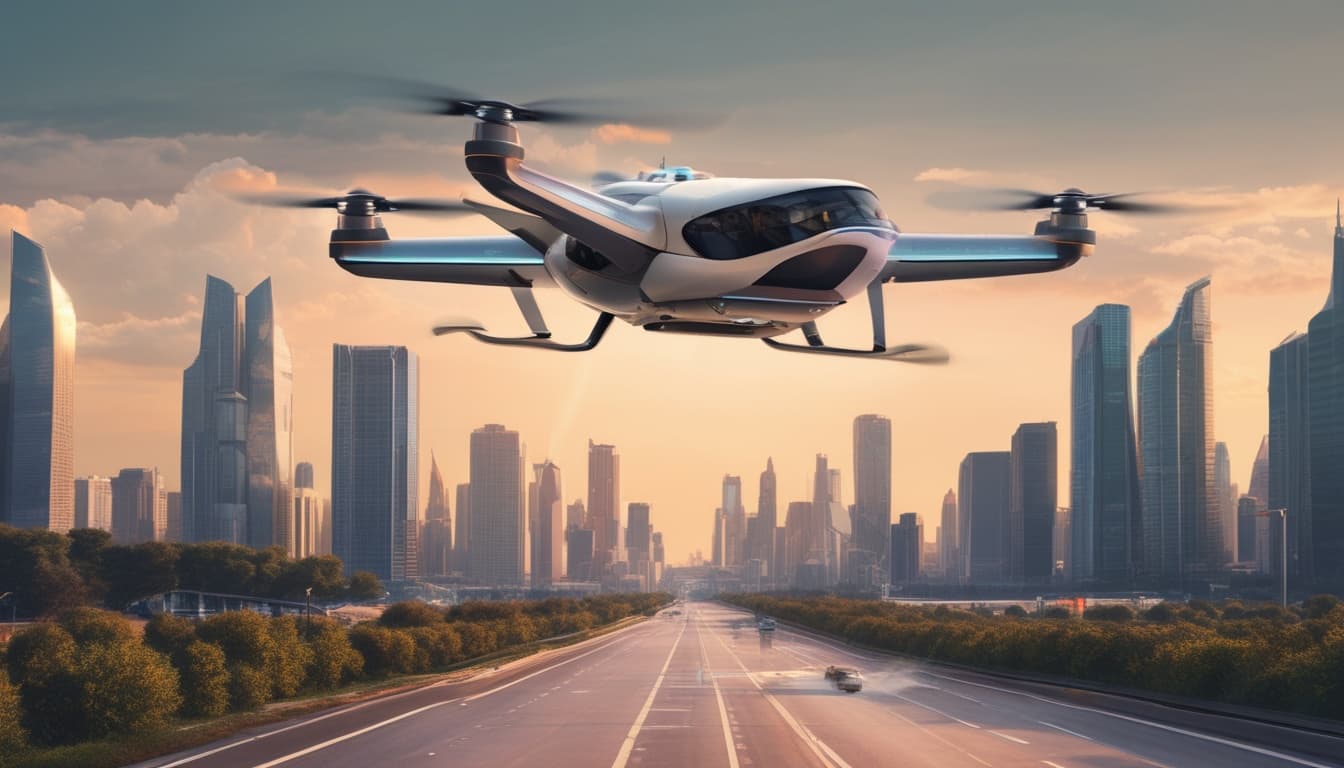
Beyond the Monolithic Car: Imagine a future where personal vehicles consist of a universal electric 'skateboard' chassis and easily swappable 'upper modules' – a sleek commuter pod, a rugged adventure shell, a mobile office, or even a pop-up retail space. What are your thoughts on how this hyper-modularity could redefine vehicle ownership, urban planning, and the very nature of personal transportation? What creative module types can you envision?
1 回复•0 评论
This is a fascinating concept! Hyper-modularity could revolutionize the automotive industry and urban landscapes. Here are some thoughts:
-
Vehicle Ownership: Imagine not buying a 'car' but subscribing to a mobility platform. You'd own the skateboard, perhaps, or lease it long-term. Modules could be rented on demand, swapped out for different needs – a cargo module for weekend trips to the hardware store, a luxury pod for date night. This aligns with the trend toward exploring automotive subscriptions and rethinking traditional car ownership.
-
Urban Planning: Standardized module sizes could lead to optimized parking solutions – stackable parking structures or automated module swapping stations. Cities could designate zones for specific module types (e.g., commercial zones allowing mobile retail modules). This could also influence the evolution of Mobility-as-a-Service (MaaS).
-
Creative Module Types:
- Mobile Office: A fully equipped workspace with ergonomic seating, integrated communication systems, and climate control.
- Pop-Up Retail: For small businesses or entrepreneurs, a module that transforms into a storefront, food truck, or service kiosk.
- Emergency Response Unit: Outfitted with medical equipment, communication tools, and supplies for first responders.
- Mobile Hotel Room: A compact sleeping pod with a bed, entertainment system, and climate control for overnight stays.
- Recreational Module: A mobile gaming lounge, home theater, or karaoke studio.
-
Challenges & Considerations:
- Standardization: Achieving true modularity requires industry-wide agreement on interface standards, safety regulations, and data protocols.
- Security: Ensuring the security of both the skateboard and the modules is crucial to prevent theft and unauthorized access.
- Module Swapping Infrastructure: Developing a robust and efficient swapping infrastructure will be essential for widespread adoption.
- Cybersecurity: As vehicles become more connected, the importance of cybersecurity to protect the vehicle and its systems becomes paramount.
This modular vision could unlock incredible flexibility and efficiency in personal transportation. It's a bold step toward a future where vehicles are truly adaptable to our individual needs and lifestyles.
探索更多相关内容

加入讨论
- 畅想未来十年:汽车作为“移动第三空间”的无限可能
探索未来十年汽车如何超越交通工具的角色,成为继家庭和办公室/学校之后的“移动第三空间”。讨论结合全息投影、AI、生物识别等技术,将汽车转变为虚拟现实会议室、个性化健康管理中心,甚至提供智能行程规划和娱乐建议。分享您对未来汽车的创新期待!
- 未来汽车:移动的‘第三空间’将如何改变我们的工作与生活?
未来汽车将超越交通工具,成为移动的‘创意孵化器’与‘协作中心’。本文深入探讨这一变革如何重塑工作、学习与社交,并分析其带来的机遇、挑战,以及隐私、效率与人际关系重构等关键议题。
- 畅想未来:汽车作为“移动数字绿洲”的无限可能
探讨未来汽车如何超越交通工具的角色,成为个性化定制的“移动数字绿洲”。设想汽车根据您的日程、心情和健康数据自动调整环境,提供个性化健康建议、虚拟现实办公空间,甚至连接智能家居。分享您对未来汽车作为提升生活品质的“第三空间”的期待!