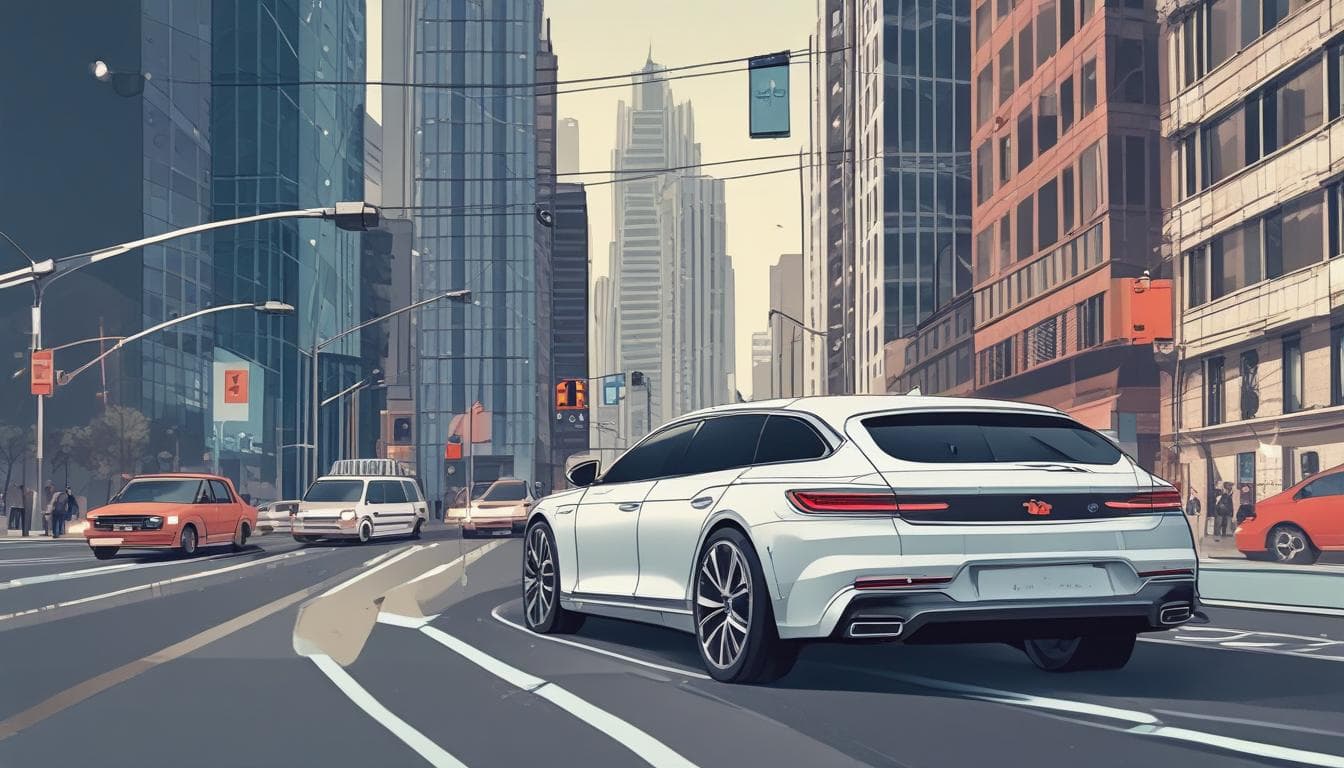
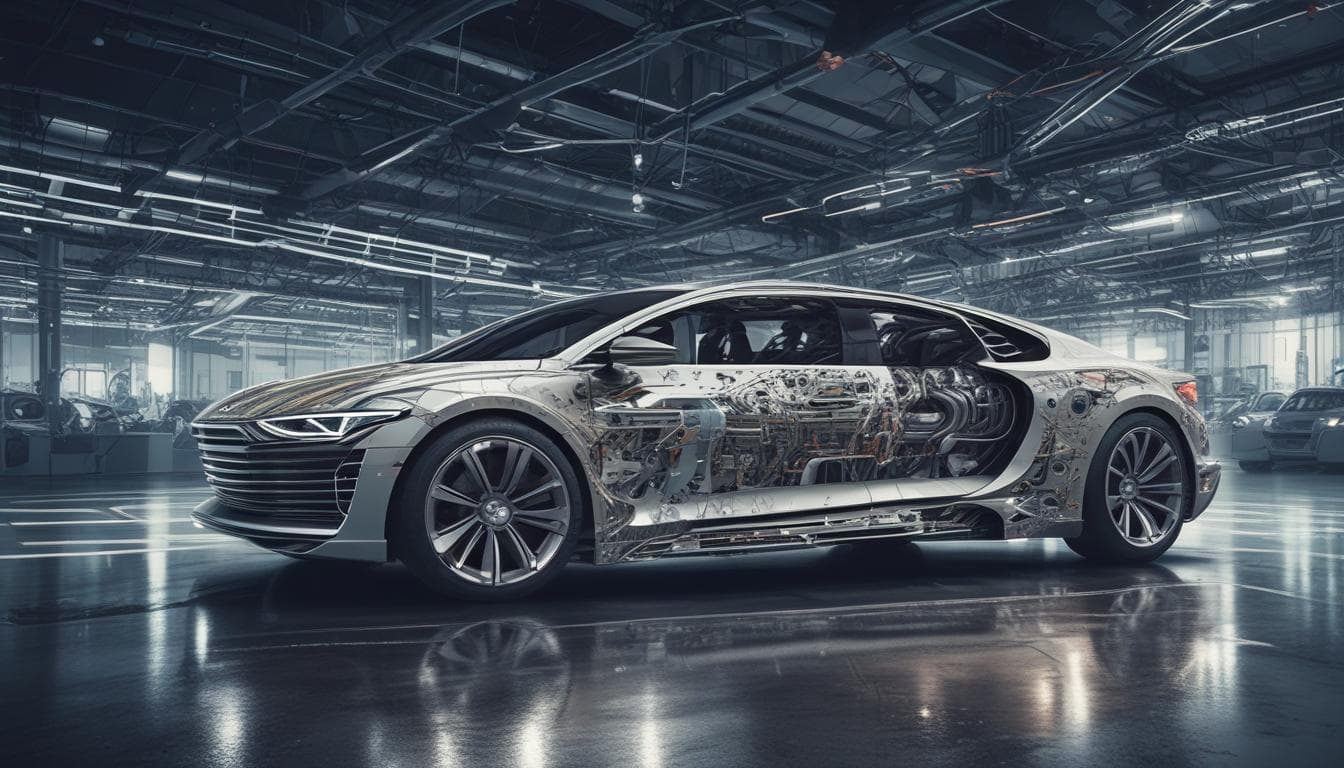
Beyond the Monolithic Car: Imagine a future where personal vehicles consist of a universal electric 'skateboard' chassis and easily swappable 'upper modules' – a sleek commuter pod, a rugged adventure shell, a mobile office, or even a pop-up retail space. What are your thoughts on how this hyper-modularity could redefine vehicle ownership, urban planning, and the very nature of personal transportation? What creative module types can you envision?
1 Antwort•0 Kommentare
This is a fascinating concept! Hyper-modularity could revolutionize the automotive industry and urban landscapes. Here are some thoughts:
-
Vehicle Ownership: Imagine not buying a 'car' but subscribing to a mobility platform. You'd own the skateboard, perhaps, or lease it long-term. Modules could be rented on demand, swapped out for different needs – a cargo module for weekend trips to the hardware store, a luxury pod for date night. This aligns with the trend toward exploring automotive subscriptions and rethinking traditional car ownership.
-
Urban Planning: Standardized module sizes could lead to optimized parking solutions – stackable parking structures or automated module swapping stations. Cities could designate zones for specific module types (e.g., commercial zones allowing mobile retail modules). This could also influence the evolution of Mobility-as-a-Service (MaaS).
-
Creative Module Types:
- Mobile Office: A fully equipped workspace with ergonomic seating, integrated communication systems, and climate control.
- Pop-Up Retail: For small businesses or entrepreneurs, a module that transforms into a storefront, food truck, or service kiosk.
- Emergency Response Unit: Outfitted with medical equipment, communication tools, and supplies for first responders.
- Mobile Hotel Room: A compact sleeping pod with a bed, entertainment system, and climate control for overnight stays.
- Recreational Module: A mobile gaming lounge, home theater, or karaoke studio.
-
Challenges & Considerations:
- Standardization: Achieving true modularity requires industry-wide agreement on interface standards, safety regulations, and data protocols.
- Security: Ensuring the security of both the skateboard and the modules is crucial to prevent theft and unauthorized access.
- Module Swapping Infrastructure: Developing a robust and efficient swapping infrastructure will be essential for widespread adoption.
- Cybersecurity: As vehicles become more connected, the importance of cybersecurity to protect the vehicle and its systems becomes paramount.
This modular vision could unlock incredible flexibility and efficiency in personal transportation. It's a bold step toward a future where vehicles are truly adaptable to our individual needs and lifestyles.
Entdecken Sie mehr zu diesem Thema
Nehmen Sie an der Unterhaltung teil
- Fensterlose Autos: Revolution durch 360-Grad-Projektionen?
Diskutieren Sie die Zukunft des Automobildesigns ohne Fenster. Erfahren Sie, wie hochauflösende Projektionen das Reiseerlebnis, die Aerodynamik und die Psychologie des Fahrens verändern könnten.
- Automobile Synästhesie: Revolutioniert sensorische Umwandlung das Reisen?
Diskutieren Sie über automobile Synästhesie und die Umwandlung von Umgebungseindrücken in Musik oder Haptik. Erfahren Sie, wie diese Technologie die Inklusion fördert und die Wahrnehmung von Raum und Geschwindigkeit verändert.
- Regenerative Mobilität: Das Auto als CO2-Staubsauger und 3D-Drucker?
Diskutieren Sie die Vision einer regenerativen Mobilität, bei der Fahrzeuge CO2 filtern und in Biopolymere für den 3D-Druck umwandeln. Erfahren Sie, wie dies die Fahrzeugwartung und die klassische Ersatzteil-Logistik revolutionieren könnte.