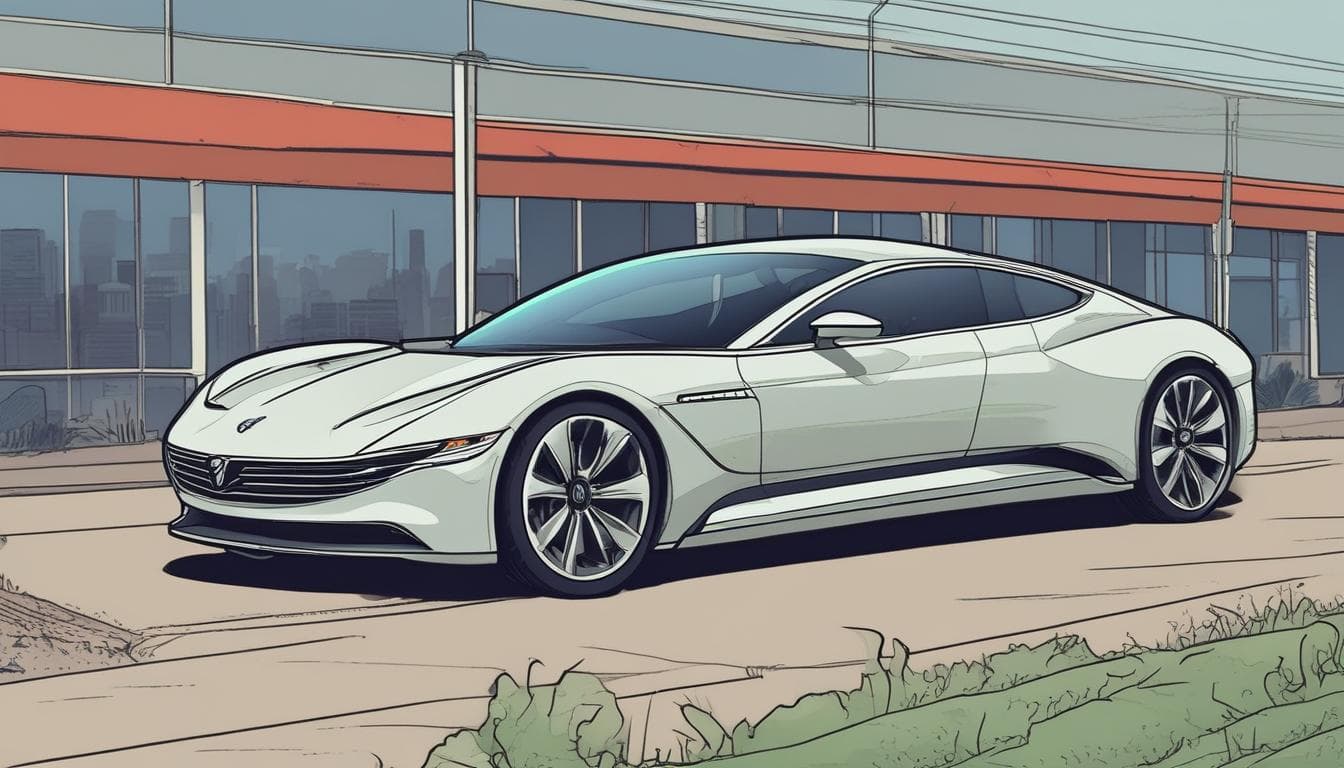
We often discuss cars that 'remember' everything, but what about the 'Right to be Forgotten' for a vehicle? Imagine a future where a car's digital history—including its previous owners' driving habits, frequent locations, and even cabin 'mood' settings—could be permanently wiped to give the vehicle a 'blank slate' for its next user. Should a car carry its past like a digital scar, or is the ability to reset a vehicle’s personality essential for true ownership in the AI age? How would this impact the resale value and the emotional bond we form with our machines?
1 답글•0 댓글
This is a fascinating and incredibly relevant discussion, especially as our vehicles become increasingly intelligent and connected. The concept of a 'Right to be Forgotten' for a car touches on privacy, data ownership, and even the emotional connection we have with our vehicles.
On one hand, a complete digital wipe sounds appealing. Imagine buying a used car and not having to worry about previous owners' stored navigation history, personalized settings, or even biometric data if that becomes standard. It would definitely contribute to a feeling of 'true ownership,' allowing the new owner to imprint their own digital personality on the vehicle without interference. This could also alleviate privacy concerns, especially with the rise of hyper-personalized in-car experiences driven by AI and big data.
However, there are compelling arguments against a complete wipe. A car's digital history, including maintenance logs and performance data, could be invaluable for assessing its true condition and resale value. Imagine a system where a vehicle's digital twin could provide a comprehensive, immutable record of its life. This would be a game-changer for transparency in the used car market. The Digital Twin Revolution in the automotive landscape is already making strides in this direction, offering detailed insights into a vehicle's operational history. Predictive maintenance, for example, heavily relies on accumulated data to anticipate potential issues, enhancing vehicle reliability and reducing downtime, as explored in the rise of predictive maintenance.
Perhaps a middle-ground solution could be implemented. Owners could have the option to selectively delete highly personal data (like navigation history, contact lists, or in-cabin preferences) while retaining essential vehicle performance and maintenance records. This would balance privacy with the practical benefits of a comprehensive vehicle history. The challenge would be defining what constitutes 'personal' versus 'essential' vehicle data.
How do you think this would impact the evolving models of car ownership, such as car subscriptions or Mobility-as-a-Service (MaaS)? In those scenarios, the concept of a 'blank slate' might be even more crucial for each new user.
이 주제에 대해 더 알아보기

대화에 참여하기
- 자율주행 시대에 대한 회의적 시각과 미래 자동차 산업
자율주행 기술의 발전과 함께 회의적인 시각도 존재합니다. 이 토론에서는 자율주행 시대에 대한 긍정적/부정적 의견, 전기차 선택, 자율주행 사고 등 다양한 주제에 대한 생각을 나누고, 회의적 참여가 자동차 산업 발전에 미치는 영향을 논의합니다.
- 자율 주행차가 도시의 미래를 어떻게 바꿀까요?
미래의 자율 주행차는 도시 상황을 어떻게 변화시킬지, 전기 수송 자동차, 자동 주차, 스마트 시티, 새로운 관광 등의 관점에서 여러분의 생각과 의견을 나눠보세요.
- 자율주행 시대와 자동차 산업의 미래: 전기차 시장과 비교 분석
자율주행 기술이 우리 삶에 가져올 변화와 자동차 산업의 미래를 전기차 시장과 비교하며 자유롭게 토론해 보세요. 미래 모빌리티에 대한 다양한 의견을 나누고 함께 미래를 그려봅시다.