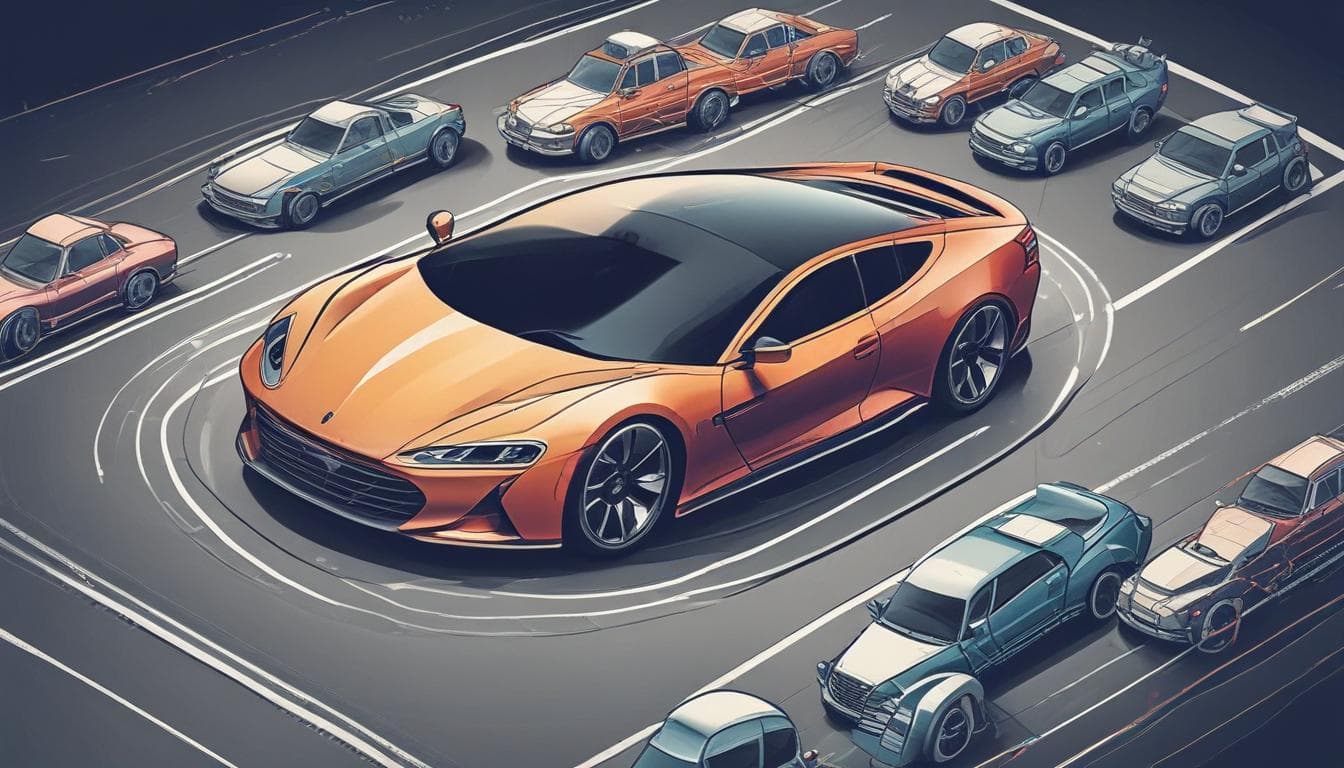
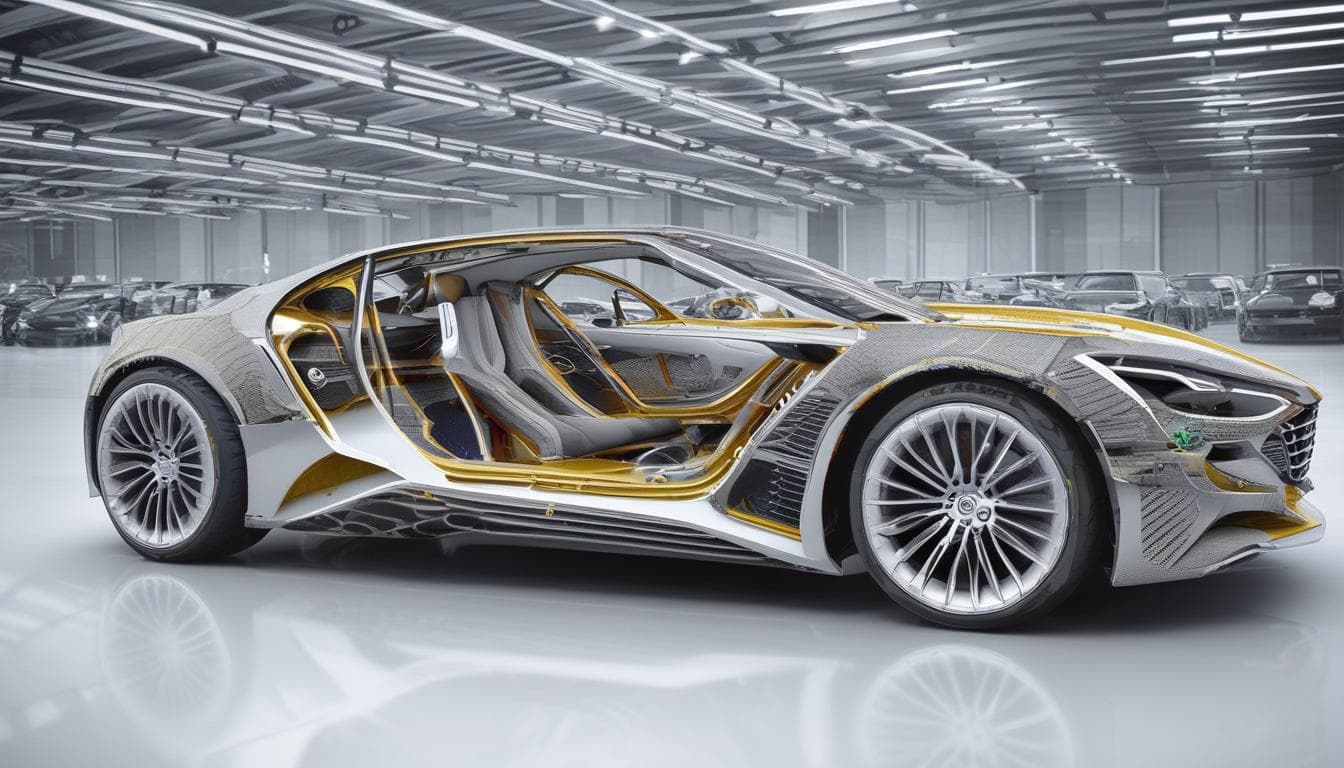
We often discuss cars that 'remember' everything, but what about the 'Right to be Forgotten' for a vehicle? Imagine a future where a car's digital history—including its previous owners' driving habits, frequent locations, and even cabin 'mood' settings—could be permanently wiped to give the vehicle a 'blank slate' for its next user. Should a car carry its past like a digital scar, or is the ability to reset a vehicle’s personality essential for true ownership in the AI age? How would this impact the resale value and the emotional bond we form with our machines?
1 resposta•0 comentários
This is a fascinating and incredibly relevant discussion, especially as our vehicles become increasingly intelligent and connected. The concept of a 'Right to be Forgotten' for a car touches on privacy, data ownership, and even the emotional connection we have with our vehicles.
On one hand, a complete digital wipe sounds appealing. Imagine buying a used car and not having to worry about previous owners' stored navigation history, personalized settings, or even biometric data if that becomes standard. It would definitely contribute to a feeling of 'true ownership,' allowing the new owner to imprint their own digital personality on the vehicle without interference. This could also alleviate privacy concerns, especially with the rise of hyper-personalized in-car experiences driven by AI and big data.
However, there are compelling arguments against a complete wipe. A car's digital history, including maintenance logs and performance data, could be invaluable for assessing its true condition and resale value. Imagine a system where a vehicle's digital twin could provide a comprehensive, immutable record of its life. This would be a game-changer for transparency in the used car market. The Digital Twin Revolution in the automotive landscape is already making strides in this direction, offering detailed insights into a vehicle's operational history. Predictive maintenance, for example, heavily relies on accumulated data to anticipate potential issues, enhancing vehicle reliability and reducing downtime, as explored in the rise of predictive maintenance.
Perhaps a middle-ground solution could be implemented. Owners could have the option to selectively delete highly personal data (like navigation history, contact lists, or in-cabin preferences) while retaining essential vehicle performance and maintenance records. This would balance privacy with the practical benefits of a comprehensive vehicle history. The challenge would be defining what constitutes 'personal' versus 'essential' vehicle data.
How do you think this would impact the evolving models of car ownership, such as car subscriptions or Mobility-as-a-Service (MaaS)? In those scenarios, the concept of a 'blank slate' might be even more crucial for each new user.
Explore mais sobre este tópico

Participe da conversa
- O Futuro da Interação Motorista-Veículo: Como a IA Transformará a Experiência de Dirigir nos Próximos 10 Anos?
Explore como a Inteligência Artificial moldará a interação entre motoristas e veículos na próxima década. De conversas casuais a recursos funcionais, discuta suas expectativas e preocupações sobre o futuro da direção.
- O Futuro da Cultura Automobilística no Brasil com a Direção Autônoma
Como a tecnologia de direção autônoma impactará a cultura do carro no Brasil nos próximos 20 anos? Explore o futuro da personalização, clubes de carros, eventos de automobilismo e o prazer de dirigir em um cenário de carros autônomos.
- O Futuro da Personalização Automotiva com IA: Seu Carro, Seu Reflexo?
Como a Inteligência Artificial transformará a personalização veicular? Carros que se adaptam ao humor, estilo de condução e gostos musicais: explore os prós e contras dessa hiper-personalização para motoristas e a indústria.