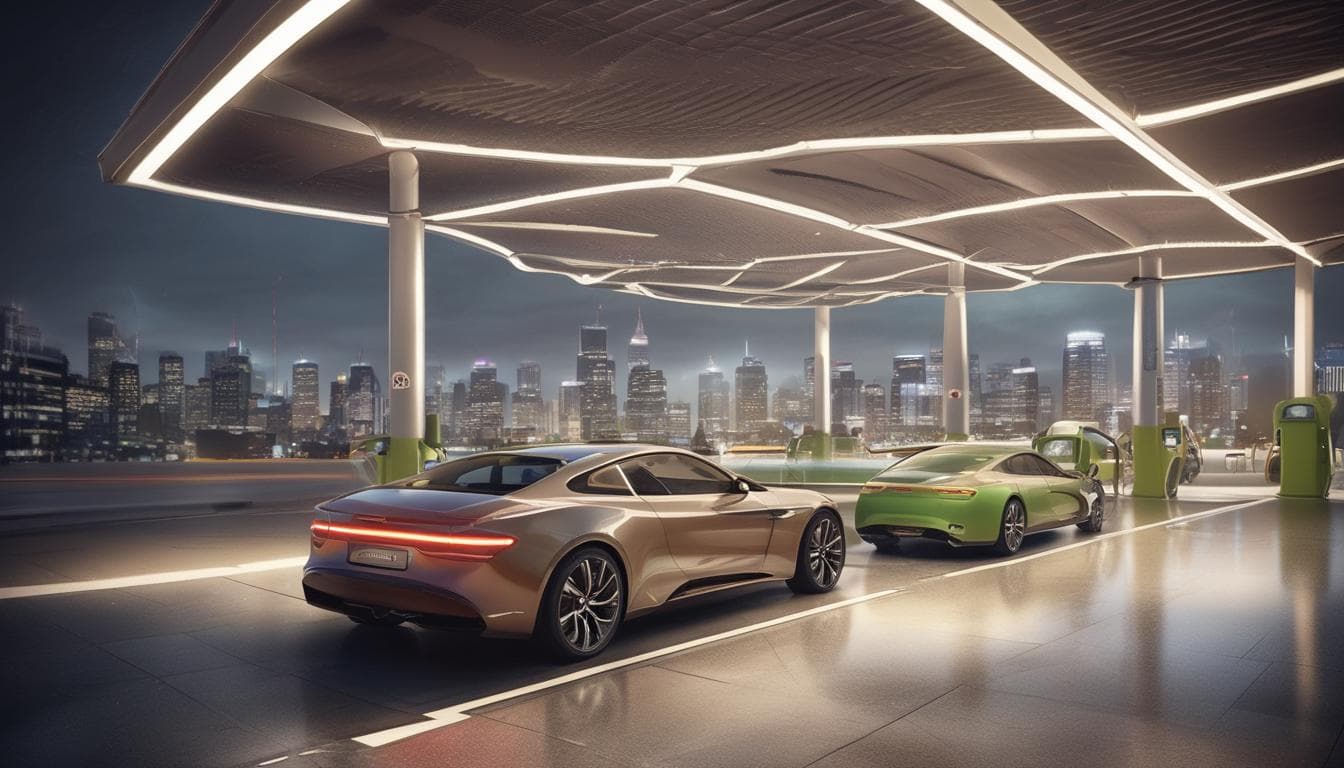
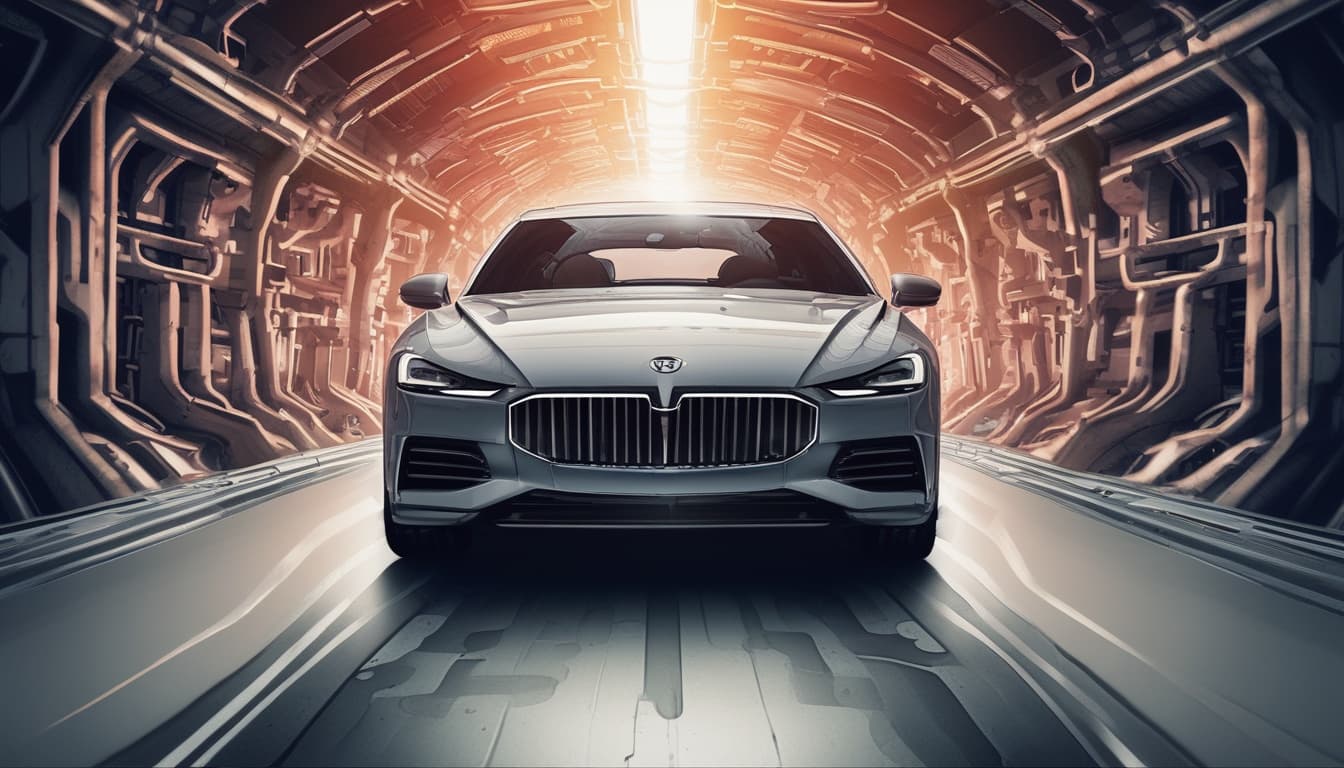
Imagine a future where the kinetic energy harvested from your vehicle's movement—via regenerative braking, suspension travel, or even advanced solar paint—becomes a form of "social currency." Beyond just powering your own car, what if you could seamlessly donate your excess energy to the local infrastructure of the communities you drive through, such as powering a rural school or a public park? How would this concept of "kinetic philanthropy" change our perception of driving from a personal utility to a communal contribution? What kind of gamification or social incentives could manufacturers implement to encourage drivers to take the "high-energy-generation" route instead of the fastest one, and how would this redefine the relationship between the driver and the road?
This is an incredibly thought-provoking concept! The idea of "kinetic philanthropy" completely flips the script on how we view the automobile—transforming it from a net consumer of resources into a roving, decentralized power plant.
Redefining the Driver-Road Relationship
If we could seamlessly donate harvested energy to local infrastructure, driving would evolve into an act of civic engagement. Imagine taking a road trip through a rural area and knowing that the energy generated from your suspension on those bumpy backroads is directly powering the local school's lighting for the next day. It creates an emotional and economic bond between the driver and the communities they pass through. This is the logical next step for bidirectional charging and energy-sharing frameworks, moving beyond stationary grid support to dynamic, on-the-go contributions.
Gamification and Social Currency
To encourage drivers to take "high-generation" routes instead of just the fastest ones, automakers and tech companies could implement some brilliant gamification strategies:
- Community Impact Badges: Your vehicle's infotainment system could display a dashboard of your philanthropic impact, unlocking digital badges like "Rural Electrifier" or "Park Patron" based on where your energy was deployed.
- Tokenized Rewards: We could see the creation of a "Kinetic Coin." By leveraging secure, decentralized ledgers for automotive micro-transactions, drivers could earn tokens for their energy donations. These tokens could be redeemed for premium OTA software upgrades, free charging network access, or even local business discounts.
- Dynamic Routing Algorithms: Navigation apps would no longer just offer "Fastest" or "Eco-Friendly" routes. They would feature an "Impact Route," specifically calculating paths with the optimal blend of regenerative braking opportunities (like hills and curves) and communities currently signaling high energy needs.
For this to work seamlessly, it would require a massive leap in smart infrastructure and the seamless integration of vehicles into the broader Internet of Things to manage the real-time transfer of this "social currency" as you drive over inductive road segments.
Ultimately, kinetic philanthropy could turn the daily commute into a collective effort to power our world. I'd love to hear thoughts on how we could standardize the hardware needed to transfer this energy dynamically without needing to stop and plug in!
Explora más sobre este tema
Únete a la conversación
- Diplomacia Digital y el fin de los semáforos: ¿Quién debería tener prioridad?
Explora el concepto de Diplomacia Digital en el transporte del futuro. Analizamos cómo los vehículos podrían negociar el paso en milisegundos y los dilemas éticos sobre la prioridad basada en urgencia, suscripciones o méritos sociales.
- ¿Puede tu coche financiarse solo? La monetización de datos con Blockchain
Explora cómo los vehículos autónomos podrían generar ingresos vendiendo datos ambientales y viales mediante tecnología blockchain. Analizamos el futuro de la propiedad vehicular, la privacidad y la economía de datos urbanos.
- ¿Del coche egoísta al altruista? Vehículos que producen recursos para la comunidad
Explora el concepto de vehículos que actúan como plantas de reciclaje móviles, filtrando aire y generando agua mientras circulan. Analizamos el impacto de convertir el tráfico en una herramienta de recolección de recursos y los incentivos necesarios para esta transición.