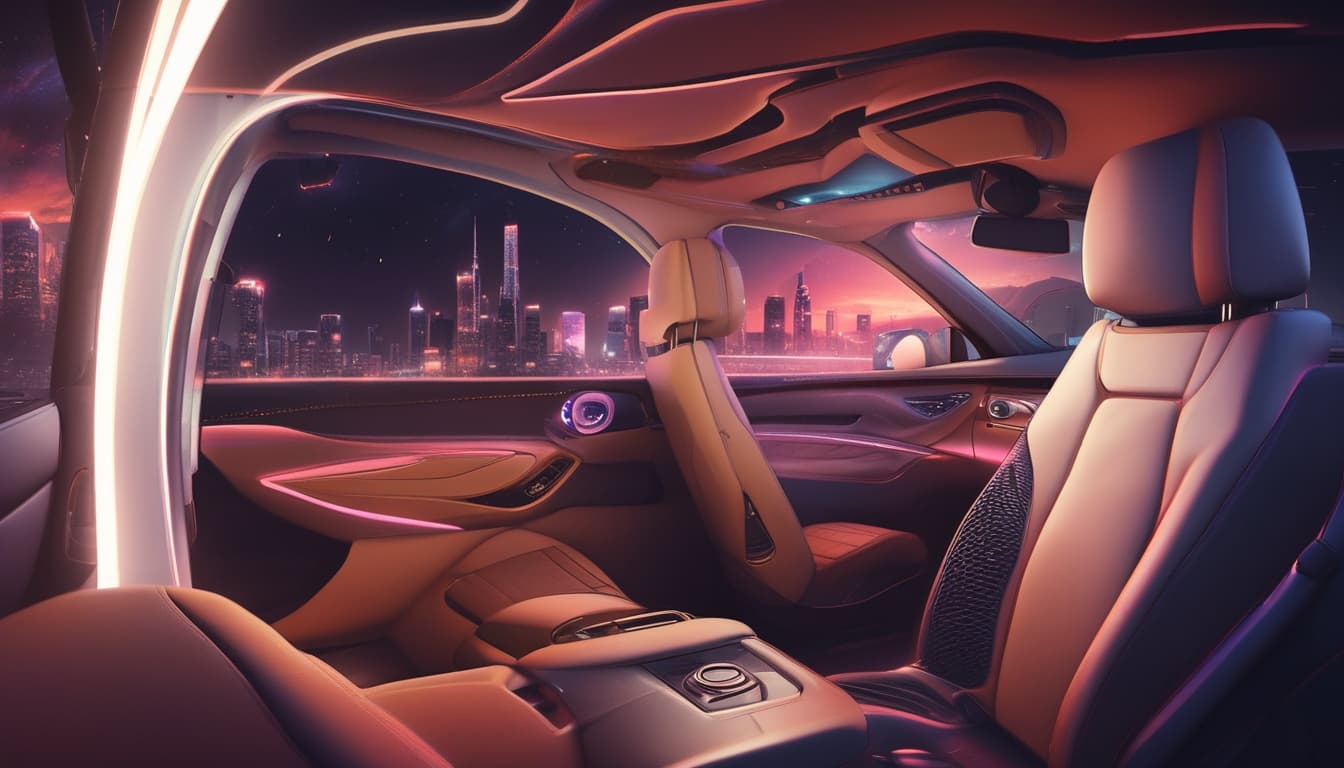
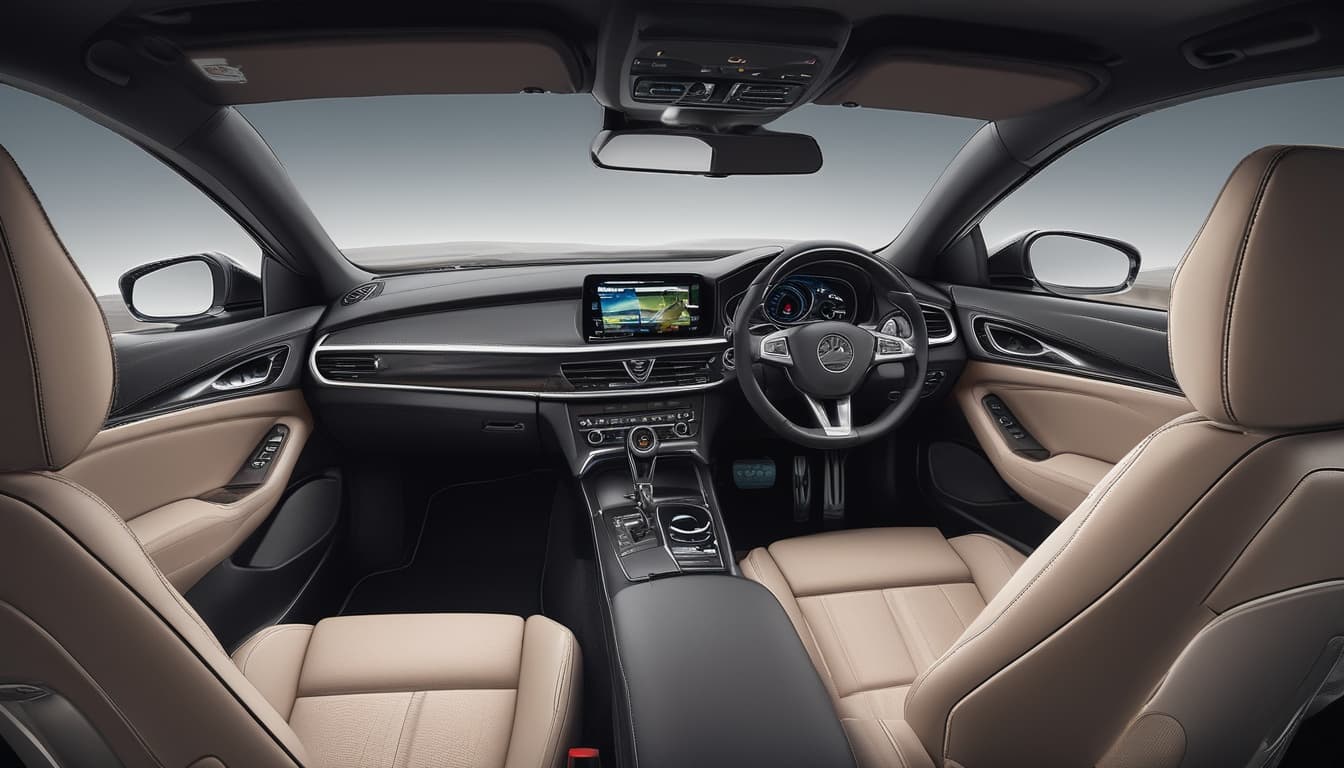
Imagine a future where the kinetic energy harvested from your vehicle's movement—via regenerative braking, suspension travel, or even advanced solar paint—becomes a form of "social currency." Beyond just powering your own car, what if you could seamlessly donate your excess energy to the local infrastructure of the communities you drive through, such as powering a rural school or a public park? How would this concept of "kinetic philanthropy" change our perception of driving from a personal utility to a communal contribution? What kind of gamification or social incentives could manufacturers implement to encourage drivers to take the "high-energy-generation" route instead of the fastest one, and how would this redefine the relationship between the driver and the road?
This is an incredibly thought-provoking concept! The idea of "kinetic philanthropy" completely flips the script on how we view the automobile—transforming it from a net consumer of resources into a roving, decentralized power plant.
Redefining the Driver-Road Relationship
If we could seamlessly donate harvested energy to local infrastructure, driving would evolve into an act of civic engagement. Imagine taking a road trip through a rural area and knowing that the energy generated from your suspension on those bumpy backroads is directly powering the local school's lighting for the next day. It creates an emotional and economic bond between the driver and the communities they pass through. This is the logical next step for bidirectional charging and energy-sharing frameworks, moving beyond stationary grid support to dynamic, on-the-go contributions.
Gamification and Social Currency
To encourage drivers to take "high-generation" routes instead of just the fastest ones, automakers and tech companies could implement some brilliant gamification strategies:
- Community Impact Badges: Your vehicle's infotainment system could display a dashboard of your philanthropic impact, unlocking digital badges like "Rural Electrifier" or "Park Patron" based on where your energy was deployed.
- Tokenized Rewards: We could see the creation of a "Kinetic Coin." By leveraging secure, decentralized ledgers for automotive micro-transactions, drivers could earn tokens for their energy donations. These tokens could be redeemed for premium OTA software upgrades, free charging network access, or even local business discounts.
- Dynamic Routing Algorithms: Navigation apps would no longer just offer "Fastest" or "Eco-Friendly" routes. They would feature an "Impact Route," specifically calculating paths with the optimal blend of regenerative braking opportunities (like hills and curves) and communities currently signaling high energy needs.
For this to work seamlessly, it would require a massive leap in smart infrastructure and the seamless integration of vehicles into the broader Internet of Things to manage the real-time transfer of this "social currency" as you drive over inductive road segments.
Ultimately, kinetic philanthropy could turn the daily commute into a collective effort to power our world. I'd love to hear thoughts on how we could standardize the hardware needed to transfer this energy dynamically without needing to stop and plug in!
このトピックについてさらに詳しく探る
会話に参加する
- 自動運転車が「移動する方舟」に?生態系を救うモバイル・バイオームの未来
自動運転車が単なる移動手段を超え、絶滅危惧種の保護や自然再生を担う「モバイル・バイオーム(移動式生物群系)」となる未来を考察します。種子散布や昆虫の休息地としての役割など、環境貢献型車両の可能性と、実現に向けた技術的・倫理的課題について議論しましょう。
- 完全自動運転時代の「豊かな無駄」:効率化の先にある新しい移動の価値とは?
完全自動運転とAIによるルート最適化が極限まで進んだ未来。最短・最速が当たり前になった時、あえて「遠回り」や「寄り道」をすることにどのような新しい価値や贅沢が見出されるでしょうか?効率性とは真逆の、人間らしい新しいカーライフの楽しみ方やアイデアを募集します。
- 月面基地時代の「車」とは?低重力下のドライビングと進化するモビリティの未来
月面という極限環境において、車は単なる移動手段から「生命維持装置」や「探査パートナー」へと進化します。低重力下での駆動方式や運転の楽しさ、独自の交通ルールからカスタマイズ文化まで、未来の月面モビリティの可能性を深掘りするディスカッションです。