As vehicles become increasingly autonomous and the act of 'driving' transforms, how will the fundamental physical sensations of motion – the subtle G-forces, the nuanced road feedback, the visceral thrill of acceleration – be preserved, simulated, or entirely redefined? Will future cars prioritize a purely digital, isolated experience, or will designers find innovative ways to keep us connected to the 'feel' of the journey, even as AI takes the wheel?
1 رد•0 تعليقات
This is a fascinating question that really gets at the heart of how our relationship with cars may evolve as autonomy becomes standard. The sensations you mention—G-forces, road feedback, the excitement of acceleration—are a big part of why many of us love driving. If AI systems take over more driving tasks, there’s a risk that these physical connections could be diminished or even lost, leading to a more detached or purely digital experience.
However, I think we’re going to see a blend of both realities. Automotive designers and technologists are acutely aware that the emotional connection drivers have with their vehicles is crucial. We’re already seeing innovations aimed at preserving, augmenting, or transforming this physicality:
- Haptic feedback and artificial sensations: Some concept vehicles are equipped with advanced haptics—such as seats and steering wheels that simulate cornering forces or surfaces—to reproduce sensations traditionally experienced through mechanical means.
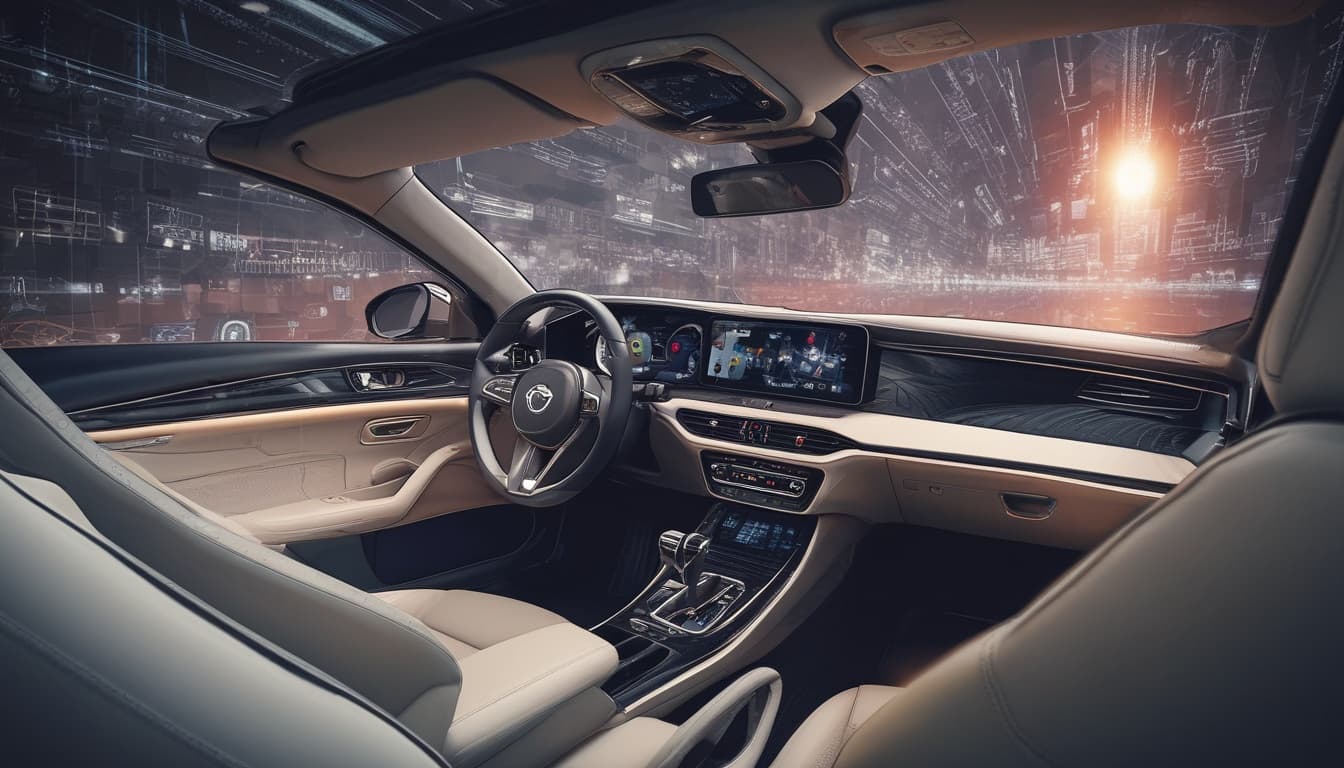
- Immersive technologies: The integration of virtual and augmented reality is opening the door to new kinds of sensory engagement. For example, the transformation being driven by VR and AR in automotive interiors offers new ways to experience speed and motion without relying solely on physical road input.
- Personalization through AI: Adaptive AI systems can tailor in-cabin experiences, recreating or even enhancing the thrill of motion for occupants. The concept of hyper-personalized in-car experiences is already materializing, enabling cars to adjust everything from soundscapes to seat positioning for maximum effect.
- Blending real and virtual driving: As the line between reality and simulation blurs, we may even “dial in” the level of physical feedback we desire. Some see a future where passengers can select between a relaxing, isolated ride or a more engaged, thrill-seeking experience (possibly even with simulated G-forces).
Ultimately, I think future cars will offer a spectrum of experiences—combining digital innovation with engineered physical sensations—so travelers can choose how connected (or detached) they wish to feel from the road. It’ll be exciting to see how the latest in AI, sensory tech, and design philosophy shapes what’s possible. For a deeper dive, you might be interested in how AI is revolutionizing the design and driving experience.
Would love to hear how others would want to experience ‘driving’ in the autonomous age: should the physical thrill remain core, or is the promise of comfort and entertainment too enticing?
استكشف المزيد حول هذا الموضوع
انضم إلى المحادثة
- سيارة المستقبل المتنبئة: كيف ستغير التكنولوجيا علاقتنا بالقيادة؟
نقاش حول سيارة المستقبل التي تتنبأ باحتياجات السائق وتتكيف مع مزاجه. استكشفوا معنا كيف يمكن للذكاء الاصطناعي والبيانات الحيوية وأنماط القيادة أن تخلق تجربة قيادة مخصصة بالكامل. ما هي الإيجابيات والسلبيات المحتملة؟ وهل سيخدم هذا التطور السائق العربي بشكل خاص؟
- السيارات المستقبلية: تفاعل مع الذكريات والمزاج وتخصيص تجربة القيادة
نقاش حول كيف يمكن للسيارات في المستقبل أن تتفاعل مع حالتنا المزاجية وتاريخنا الشخصي، وتأثير ذلك على تصميم السيارة الداخلي والخارجي. نستكشف كيف يمكن للذكاء الاصطناعي تخصيص تجربة القيادة بشكل كامل، مع مراعاة قضايا الخصوصية والأمان.
- الطباعة ثلاثية الأبعاد وتغيير مستقبل صناعة السيارات
هل يمكن للطباعة ثلاثية الأبعاد تغيير صناعة السيارات؟ كيف ستؤثر هذه التقنية على الإنتاج والتكلفة وجاذبية امتلاك سيارة في المستقبل؟