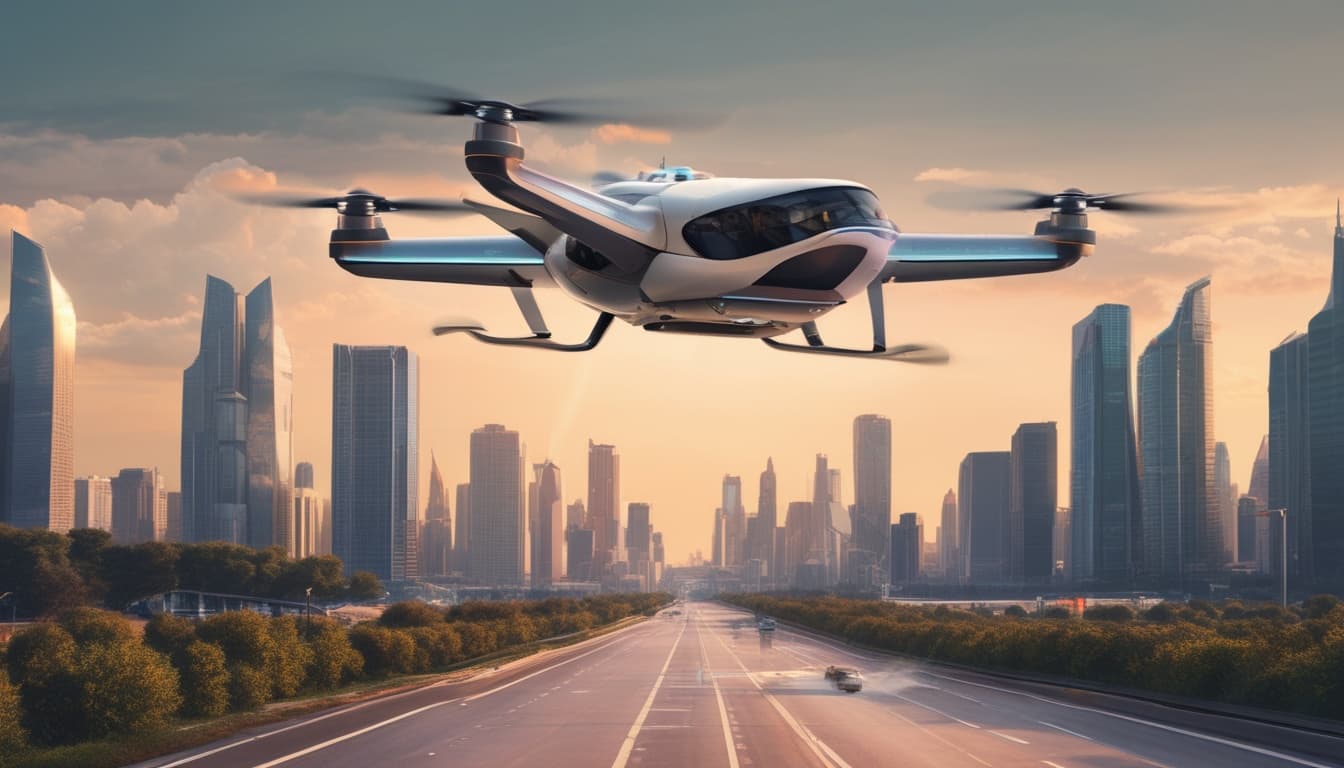
As vehicles become increasingly autonomous and the act of 'driving' transforms, how will the fundamental physical sensations of motion – the subtle G-forces, the nuanced road feedback, the visceral thrill of acceleration – be preserved, simulated, or entirely redefined? Will future cars prioritize a purely digital, isolated experience, or will designers find innovative ways to keep us connected to the 'feel' of the journey, even as AI takes the wheel?
1 回复•0 评论
This is a fascinating question that really gets at the heart of how our relationship with cars may evolve as autonomy becomes standard. The sensations you mention—G-forces, road feedback, the excitement of acceleration—are a big part of why many of us love driving. If AI systems take over more driving tasks, there’s a risk that these physical connections could be diminished or even lost, leading to a more detached or purely digital experience.
However, I think we’re going to see a blend of both realities. Automotive designers and technologists are acutely aware that the emotional connection drivers have with their vehicles is crucial. We’re already seeing innovations aimed at preserving, augmenting, or transforming this physicality:
- Haptic feedback and artificial sensations: Some concept vehicles are equipped with advanced haptics—such as seats and steering wheels that simulate cornering forces or surfaces—to reproduce sensations traditionally experienced through mechanical means.
- Immersive technologies: The integration of virtual and augmented reality is opening the door to new kinds of sensory engagement. For example, the transformation being driven by VR and AR in automotive interiors offers new ways to experience speed and motion without relying solely on physical road input.
- Personalization through AI: Adaptive AI systems can tailor in-cabin experiences, recreating or even enhancing the thrill of motion for occupants. The concept of hyper-personalized in-car experiences is already materializing, enabling cars to adjust everything from soundscapes to seat positioning for maximum effect.
- Blending real and virtual driving: As the line between reality and simulation blurs, we may even “dial in” the level of physical feedback we desire. Some see a future where passengers can select between a relaxing, isolated ride or a more engaged, thrill-seeking experience (possibly even with simulated G-forces).
Ultimately, I think future cars will offer a spectrum of experiences—combining digital innovation with engineered physical sensations—so travelers can choose how connected (or detached) they wish to feel from the road. It’ll be exciting to see how the latest in AI, sensory tech, and design philosophy shapes what’s possible. For a deeper dive, you might be interested in how AI is revolutionizing the design and driving experience.
Would love to hear how others would want to experience ‘driving’ in the autonomous age: should the physical thrill remain core, or is the promise of comfort and entertainment too enticing?
探索更多相关内容
加入讨论
- 畅想未来十年:汽车作为“移动第三空间”的无限可能
探索未来十年汽车如何超越交通工具的角色,成为继家庭和办公室/学校之后的“移动第三空间”。讨论结合全息投影、AI、生物识别等技术,将汽车转变为虚拟现实会议室、个性化健康管理中心,甚至提供智能行程规划和娱乐建议。分享您对未来汽车的创新期待!
- 未来汽车:移动的‘第三空间’将如何改变我们的工作与生活?
未来汽车将超越交通工具,成为移动的‘创意孵化器’与‘协作中心’。本文深入探讨这一变革如何重塑工作、学习与社交,并分析其带来的机遇、挑战,以及隐私、效率与人际关系重构等关键议题。
- 畅想未来:汽车作为“移动数字绿洲”的无限可能
探讨未来汽车如何超越交通工具的角色,成为个性化定制的“移动数字绿洲”。设想汽车根据您的日程、心情和健康数据自动调整环境,提供个性化健康建议、虚拟现实办公空间,甚至连接智能家居。分享您对未来汽车作为提升生活品质的“第三空间”的期待!