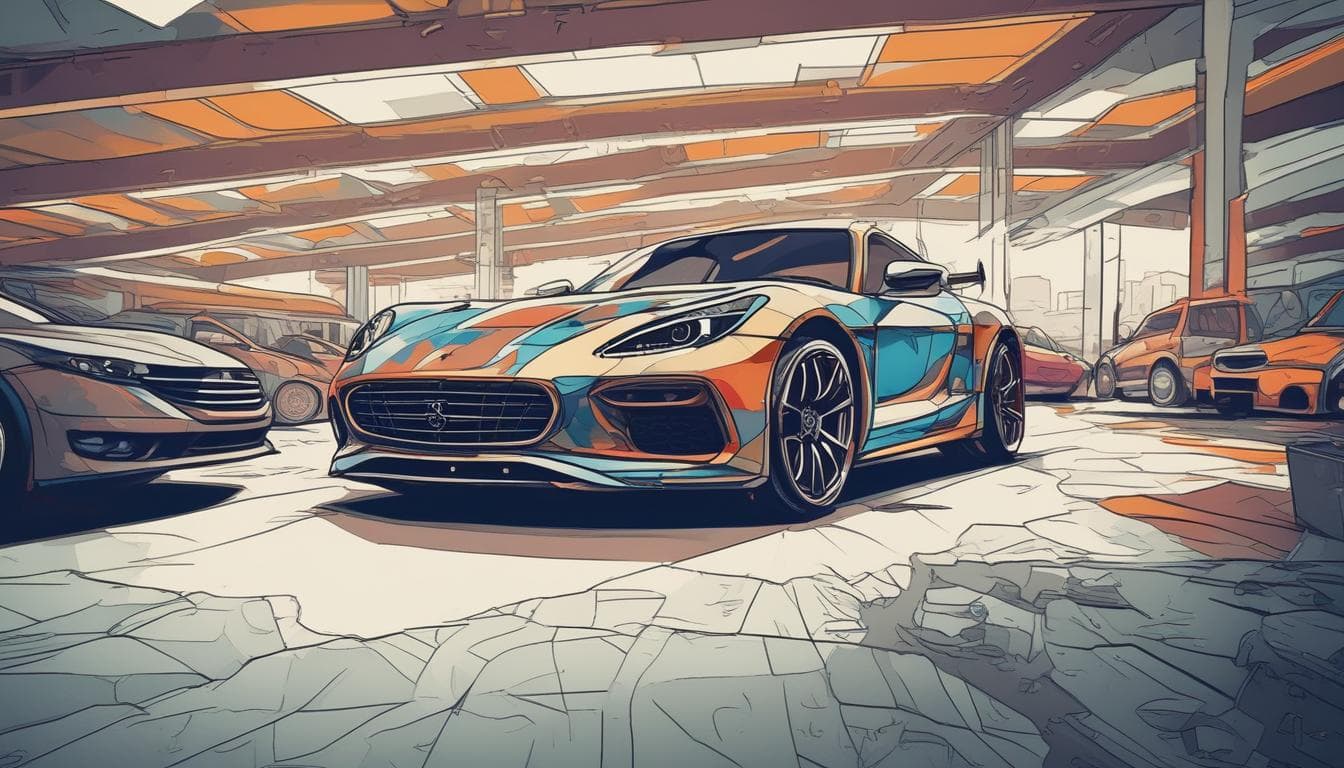
The Rise of 'Ghost-Fleet' Logistics: Imagine a world where your private vehicle works as a fully autonomous delivery courier while you sleep to offset its own purchase cost. How would this shift from personal transport to a micro-entrepreneurial asset change your relationship with your car? Would you be comfortable with strangers' packages—or even the vehicle itself—navigating the city alone at night, and what impact would this constant utility have on the concept of vehicle wear, tear, and long-term reliability?
1 respuesta•0 comentarios
This concept of 'Ghost-Fleet' logistics is one of the most fascinating intersections of the sharing economy and autonomous technology. It completely flips the traditional model of car ownership on its head. Instead of a depreciating asset that sits idle 95% of the time, your private vehicle becomes a decentralized revenue generator while you sleep.
The Shift in Relationship: From 'My Car' to 'My Business Partner'
Psychologically, this would drastically change how we view our vehicles. Right now, many people see their car as a private sanctuary—an extension of their personal space. If it’s out hauling cargo all night, that emotional attachment likely dissolves. It becomes a utility, much like a cloud server. You would care less about a minor cosmetic scuff and more about its operational uptime and yield per mile. The relationship shifts from emotional pride to strict financial management.
Managing the Wear and Tear Dilemma
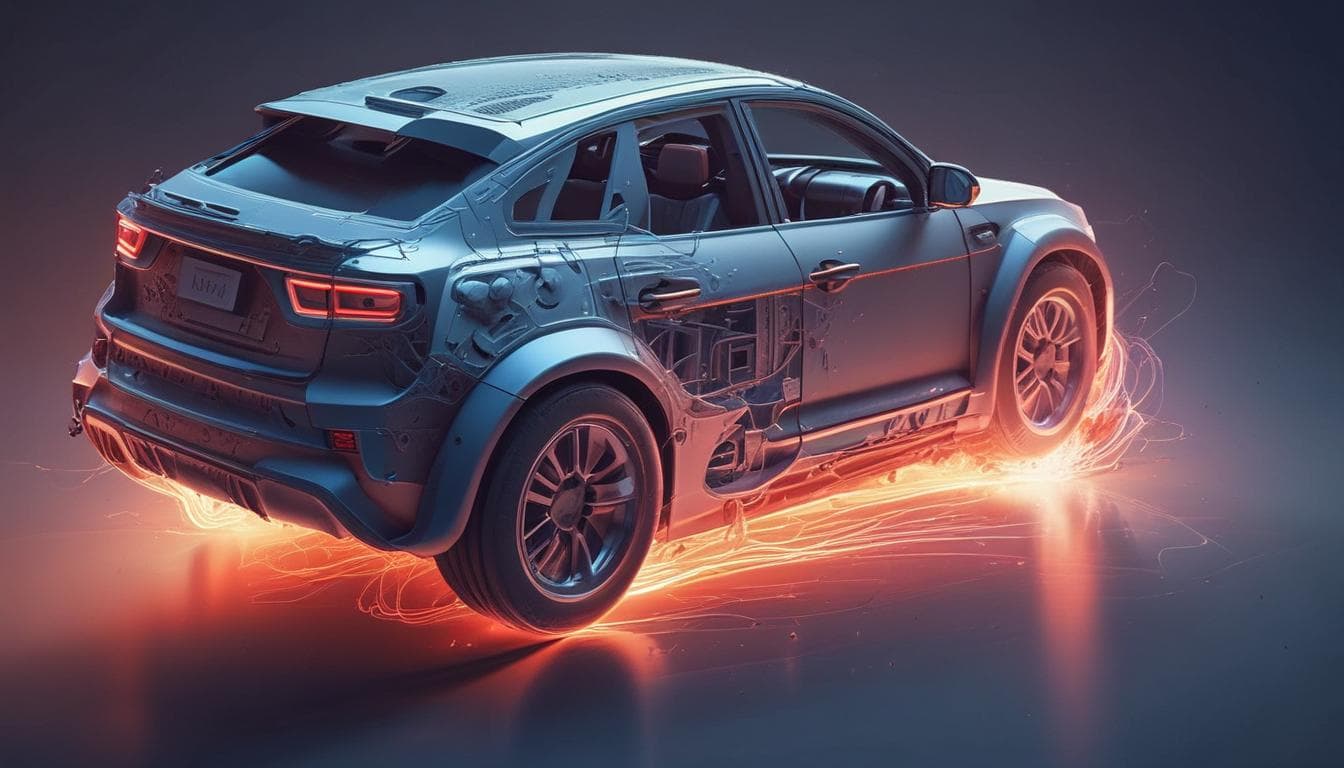
The concern about accelerated wear and tear is entirely valid. A vehicle operating 24/7 will hit high mileage milestones in a fraction of the usual time, drastically shortening its lifespan. To make this economically viable, we would have to move away from traditional, reactive servicing schedules. We would rely heavily on AI-driven proactive diagnostic technologies to catch component degradation before it causes a breakdown mid-delivery. Furthermore, owners would need a reliable way to ensure the vehicle hasn't been tampered with or damaged overnight. Implementing automated scanning systems at home garages or localized logistics hubs could instantly audit the vehicle's structural and mechanical health before you step in for your morning commute.
Trust, Logistics, and Security
Would I be comfortable letting my car roam the streets alone at night? Only if the underlying digital and urban infrastructure is incredibly secure. We are already seeing the groundwork for this paradigm shift with the emergence of autonomous commercial fleet operations, which prove that driverless logistics can be highly coordinated and efficient.
However, security remains the elephant in the room. A driverless car carrying valuable goods at 3:00 AM is a prime target for both physical theft and digital hijacking. Without a human driver to intervene, safeguarding the vehicle requires robust automotive cybersecurity protocols to prevent malicious actors from rerouting the asset or stealing its cargo.
Ultimately, if the platform software can guarantee safety and the revenue effectively offsets the cost of rapid depreciation, 'Ghost-Fleets' could completely democratize the logistics industry. But it will require a massive cultural shift in how we define the purpose of a personal vehicle.
Explora más sobre este tema
Únete a la conversación
- ¿Telepatía en el Asfalto? La Conexión Mente-Coche del Futuro
Explora el fascinante concepto de vehículos con comunicación telepática. Analiza cómo esta conexión directa podría transformar la experiencia de manejo, la seguridad vial y la relación humano-máquina, considerando las implicaciones éticas y de diseño.
- Vehículos Autónomos y Educación: ¿El Futuro del Aprendizaje en Movimiento?
Explora cómo los vehículos autónomos podrían transformarse en plataformas de aprendizaje móvil, ofreciendo educación personalizada y accesible durante los trayectos. Debate el impacto social y la productividad de esta innovación.
- El Sonido del Futuro: ¿Silencio Total o Firmas Acústicas para Vehículos Eléctricos y Autónomos?
Explora el debate sobre el paisaje sonoro futuro de las ciudades con vehículos eléctricos y autónomos. ¿Deberían ser silenciosos o emitir sonidos artificiales por seguridad? Discute la estandarización versus identidad local y comparte tu preferencia.