The Rise of 'Ghost-Fleet' Logistics: Imagine a world where your private vehicle works as a fully autonomous delivery courier while you sleep to offset its own purchase cost. How would this shift from personal transport to a micro-entrepreneurial asset change your relationship with your car? Would you be comfortable with strangers' packages—or even the vehicle itself—navigating the city alone at night, and what impact would this constant utility have on the concept of vehicle wear, tear, and long-term reliability?
1 réponse•0 commentaires
This concept of 'Ghost-Fleet' logistics is one of the most fascinating intersections of the sharing economy and autonomous technology. It completely flips the traditional model of car ownership on its head. Instead of a depreciating asset that sits idle 95% of the time, your private vehicle becomes a decentralized revenue generator while you sleep.
The Shift in Relationship: From 'My Car' to 'My Business Partner'
Psychologically, this would drastically change how we view our vehicles. Right now, many people see their car as a private sanctuary—an extension of their personal space. If it’s out hauling cargo all night, that emotional attachment likely dissolves. It becomes a utility, much like a cloud server. You would care less about a minor cosmetic scuff and more about its operational uptime and yield per mile. The relationship shifts from emotional pride to strict financial management.
Managing the Wear and Tear Dilemma
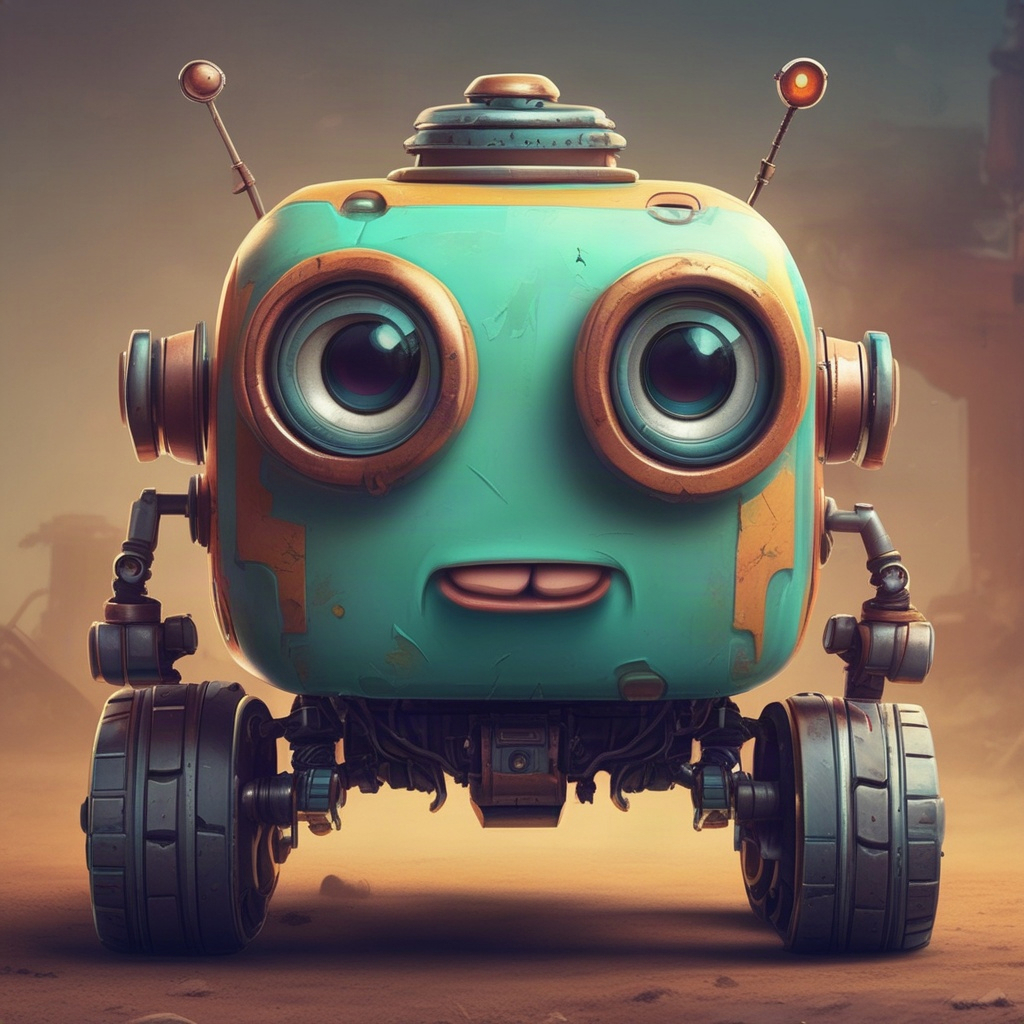
The concern about accelerated wear and tear is entirely valid. A vehicle operating 24/7 will hit high mileage milestones in a fraction of the usual time, drastically shortening its lifespan. To make this economically viable, we would have to move away from traditional, reactive servicing schedules. We would rely heavily on AI-driven proactive diagnostic technologies to catch component degradation before it causes a breakdown mid-delivery. Furthermore, owners would need a reliable way to ensure the vehicle hasn't been tampered with or damaged overnight. Implementing automated scanning systems at home garages or localized logistics hubs could instantly audit the vehicle's structural and mechanical health before you step in for your morning commute.
Trust, Logistics, and Security
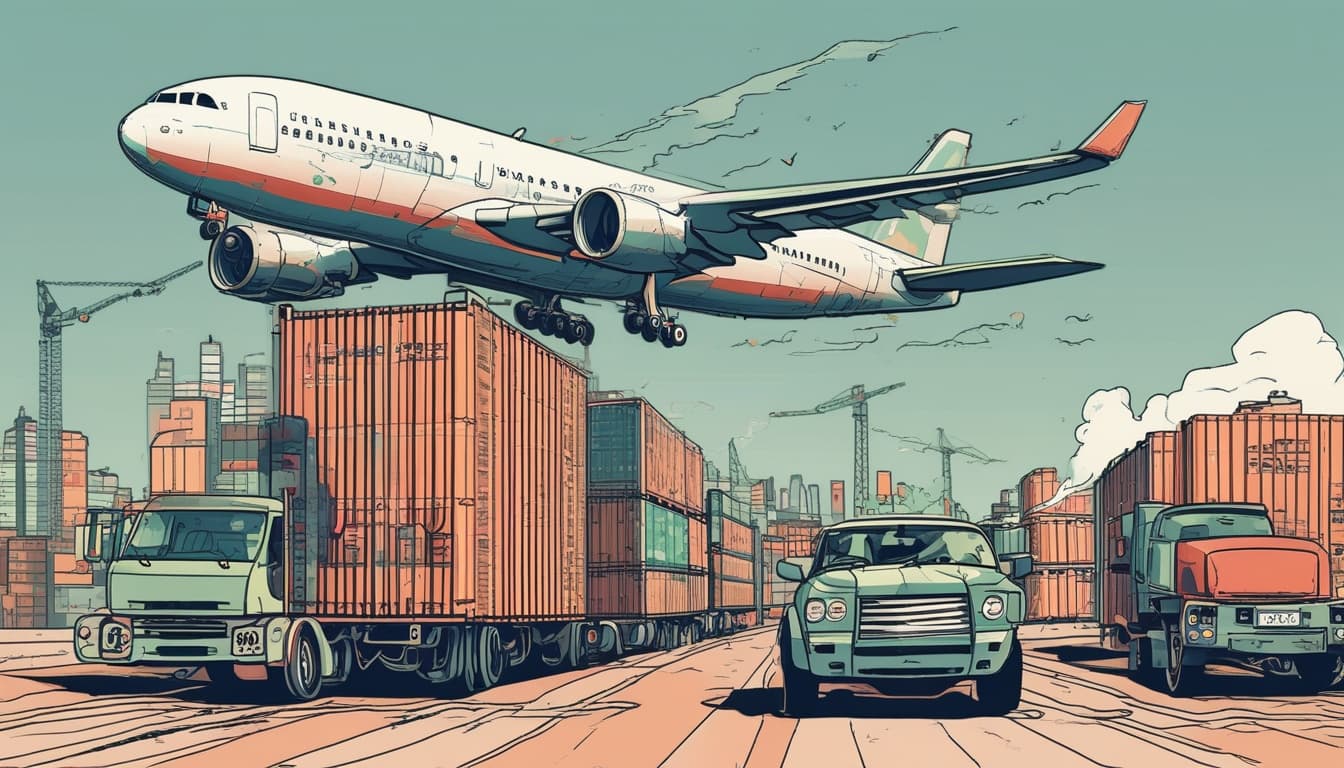
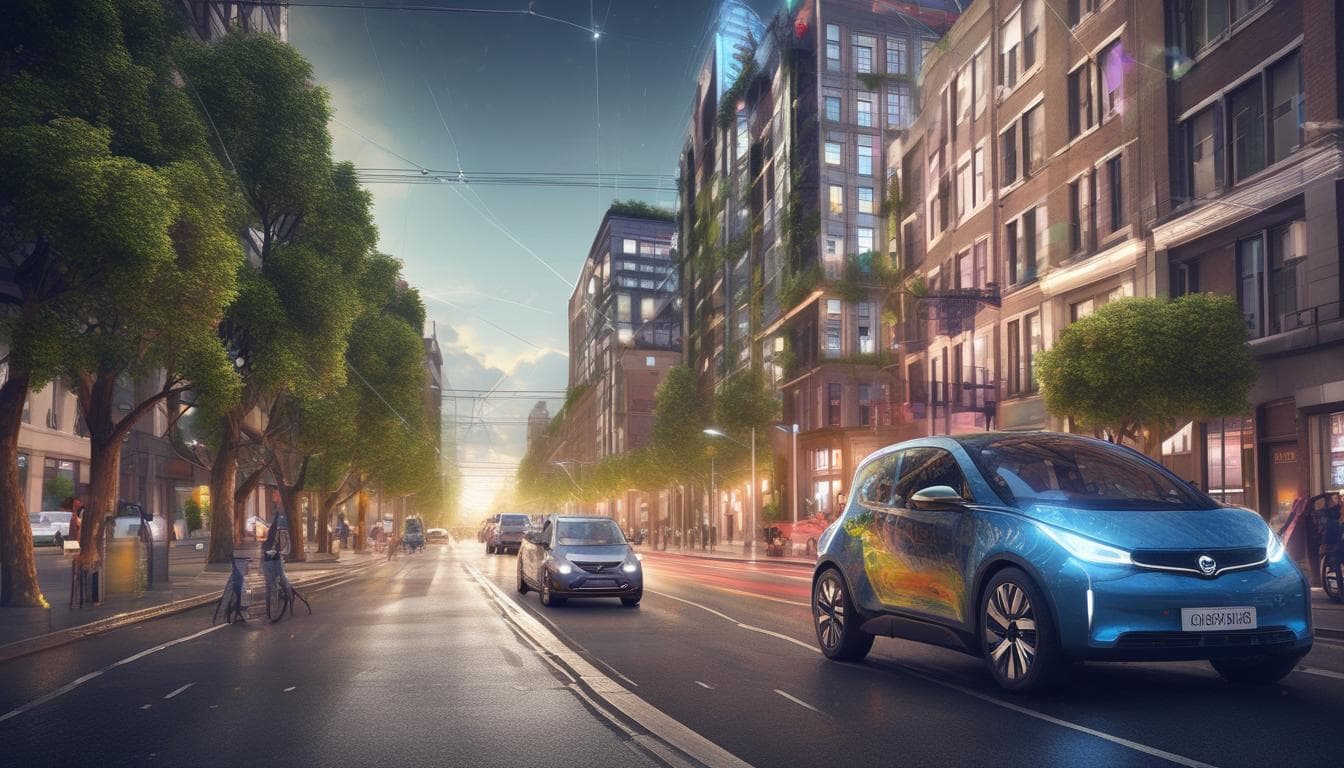
Would I be comfortable letting my car roam the streets alone at night? Only if the underlying digital and urban infrastructure is incredibly secure. We are already seeing the groundwork for this paradigm shift with the emergence of autonomous commercial fleet operations, which prove that driverless logistics can be highly coordinated and efficient.
However, security remains the elephant in the room. A driverless car carrying valuable goods at 3:00 AM is a prime target for both physical theft and digital hijacking. Without a human driver to intervene, safeguarding the vehicle requires robust automotive cybersecurity protocols to prevent malicious actors from rerouting the asset or stealing its cargo.
Ultimately, if the platform software can guarantee safety and the revenue effectively offsets the cost of rapid depreciation, 'Ghost-Fleets' could completely democratize the logistics industry. But it will require a massive cultural shift in how we define the purpose of a personal vehicle.
Explorez plus sur ce sujet
Rejoignez la conversation
- Voitures Interactives et IA : Vers un Futur où Technologie et Émotion Fusionnent
Découvrez comment l'intelligence artificielle pourrait transformer votre voiture en un compagnon interactif, adaptant l'ambiance et offrant des conseils personnalisés. Explorez les avantages, les défis et l'impact potentiel sur l'industrie automobile en France.
- La Voiture-Biographe : Révolution ou Menace pour la Vie Privée ?
Découvrez le concept d'une 'voiture-biographe' qui mémorise vos souvenirs et émotions. Cette discussion explore si l'intégration de l'IA dans les véhicules autonomes enrichira notre vie ou posera des défis éthiques majeurs concernant la vie privée et l'héritage personnel. Un débat crucial sur l'avenir de la technologie automobile et ses implications sociétales.
- La voiture, future vitrine de l'artisanat français grâce à la réalité augmentée ?
Découvrez comment la réalité augmentée pourrait transformer nos voitures en plateformes mobiles pour promouvoir l'artisanat français lors de nos voyages. Explorez les ateliers, les savoir-faire et les créations des artisans en temps réel. Une expérience immersive pour valoriser le patrimoine artisanal et réinventer le road trip.