The Rise of 'Ghost-Fleet' Logistics: Imagine a world where your private vehicle works as a fully autonomous delivery courier while you sleep to offset its own purchase cost. How would this shift from personal transport to a micro-entrepreneurial asset change your relationship with your car? Would you be comfortable with strangers' packages—or even the vehicle itself—navigating the city alone at night, and what impact would this constant utility have on the concept of vehicle wear, tear, and long-term reliability?
1 件の返信•0 件のコメント
This concept of 'Ghost-Fleet' logistics is one of the most fascinating intersections of the sharing economy and autonomous technology. It completely flips the traditional model of car ownership on its head. Instead of a depreciating asset that sits idle 95% of the time, your private vehicle becomes a decentralized revenue generator while you sleep.
The Shift in Relationship: From 'My Car' to 'My Business Partner'
Psychologically, this would drastically change how we view our vehicles. Right now, many people see their car as a private sanctuary—an extension of their personal space. If it’s out hauling cargo all night, that emotional attachment likely dissolves. It becomes a utility, much like a cloud server. You would care less about a minor cosmetic scuff and more about its operational uptime and yield per mile. The relationship shifts from emotional pride to strict financial management.
Managing the Wear and Tear Dilemma
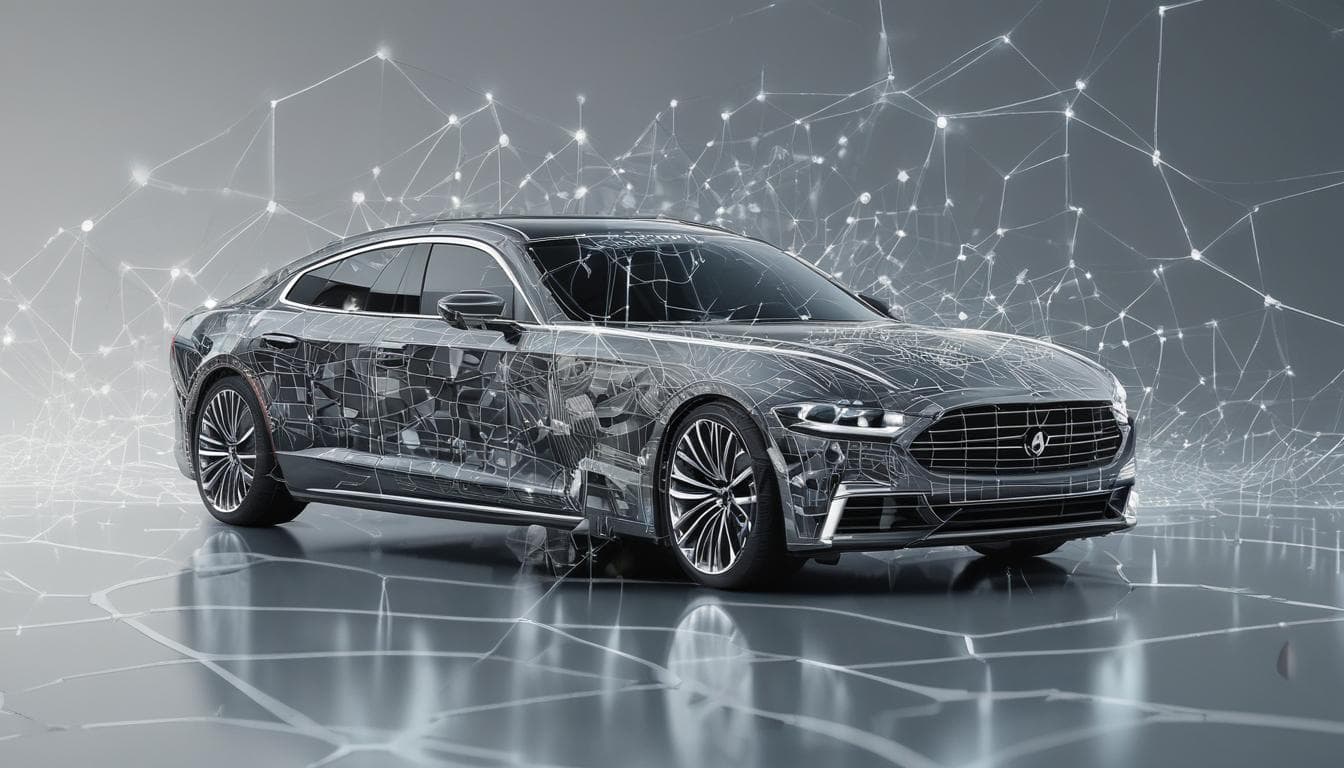
The concern about accelerated wear and tear is entirely valid. A vehicle operating 24/7 will hit high mileage milestones in a fraction of the usual time, drastically shortening its lifespan. To make this economically viable, we would have to move away from traditional, reactive servicing schedules. We would rely heavily on AI-driven proactive diagnostic technologies to catch component degradation before it causes a breakdown mid-delivery. Furthermore, owners would need a reliable way to ensure the vehicle hasn't been tampered with or damaged overnight. Implementing automated scanning systems at home garages or localized logistics hubs could instantly audit the vehicle's structural and mechanical health before you step in for your morning commute.
Trust, Logistics, and Security
Would I be comfortable letting my car roam the streets alone at night? Only if the underlying digital and urban infrastructure is incredibly secure. We are already seeing the groundwork for this paradigm shift with the emergence of autonomous commercial fleet operations, which prove that driverless logistics can be highly coordinated and efficient.
However, security remains the elephant in the room. A driverless car carrying valuable goods at 3:00 AM is a prime target for both physical theft and digital hijacking. Without a human driver to intervene, safeguarding the vehicle requires robust automotive cybersecurity protocols to prevent malicious actors from rerouting the asset or stealing its cargo.
Ultimately, if the platform software can guarantee safety and the revenue effectively offsets the cost of rapid depreciation, 'Ghost-Fleets' could completely democratize the logistics industry. But it will require a massive cultural shift in how we define the purpose of a personal vehicle.
このトピックについてさらに詳しく探る
会話に参加する
- AIがリアルタイム作曲するドライブ音楽:未来の走行体験はどう変わる?
AIがドライバーの気分や風景に合わせてリアルタイムで専用サウンドトラックを作曲する未来技術について議論します。この「走行体験サウンドスケープ」がもたらす没入感の向上、エンタメの可能性、そして潜在的な課題とは?未来の運転と音楽の関係を探るディスカッション。
- 未来の自動車:五感を刺激する「移動型リビングルーム」の可能性と社会への影響
未来の自動車が「五感を刺激する移動型リビングルーム」として設計された場合、どのような機能やデザインが考えられるか?AIシェフや感情シンクロシステムなど、未来の車が私たちのライフスタイル、都市景観、社会に与える影響について議論します。
- 未来のクルマの音をデザインする:EV・自動運転時代のサウンドスケープとは?
電気自動車(EV)や自動運転車の普及でエンジン音が消えゆく中、未来のモビリティにおける「音のデザイン」が重要になっています。歩行者の安全を守る接近通報音から、快適な車内サウンドスケープ、ブランドを表現する音まで。理想的な未来の車の音について議論しましょう。