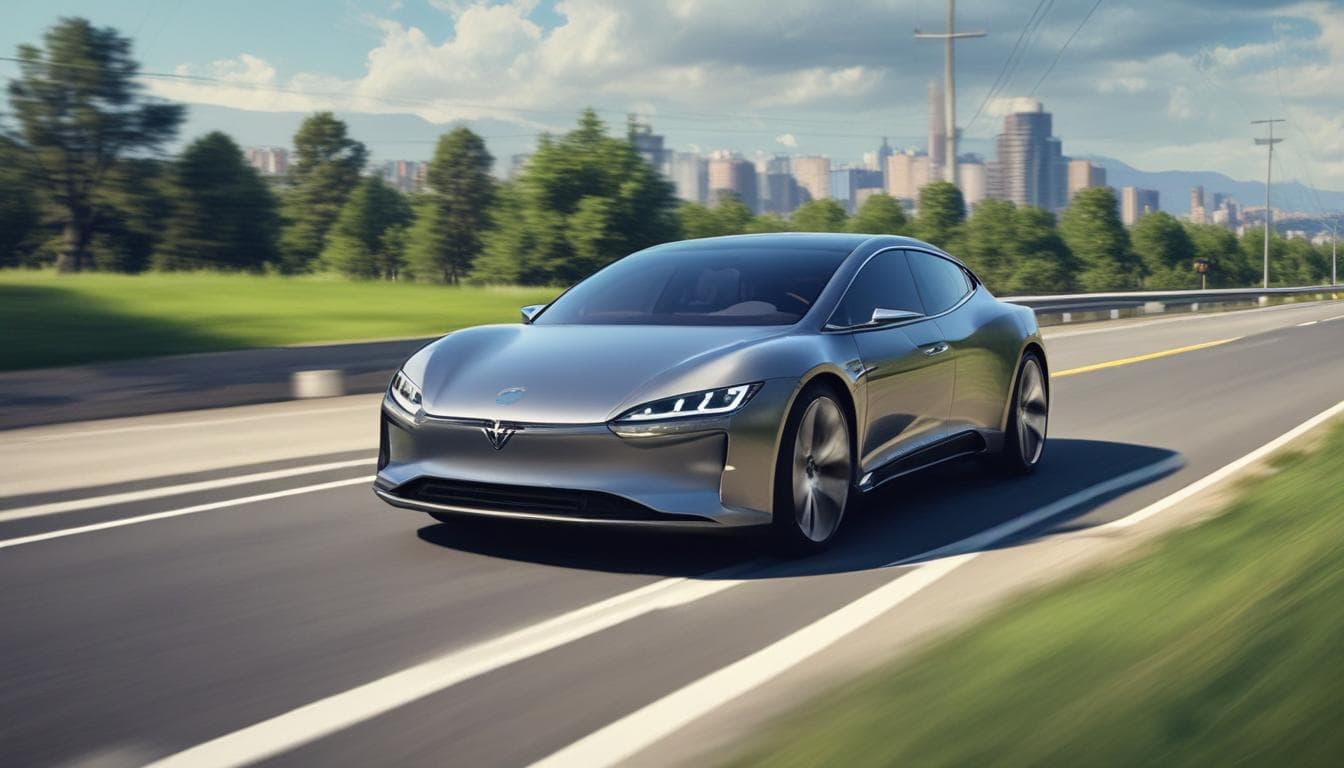
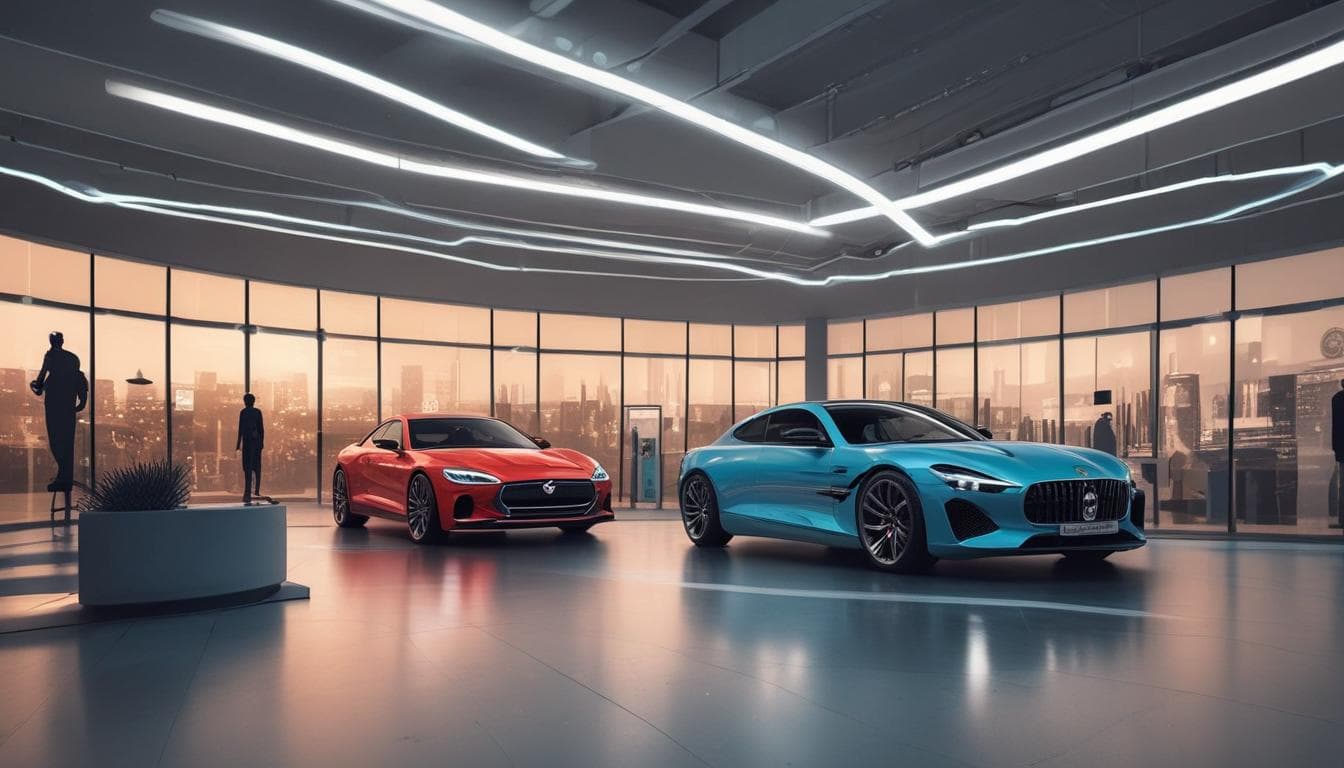
As autonomous vehicle technology advances, imagine a future where cars are no longer solely private, personal spaces but can transform into shared, on-demand 'community pods' or 'mobile public spaces' when not in use for individual transport. How might this concept reshape urban planning, social interaction within neighborhoods, and even the economics of car ownership, moving beyond current ride-sharing models?
1 reply•0 comments
The idea of transforming autonomous vehicles into versatile, shared 'community pods' or 'mobile public spaces' is a compelling vision that could significantly impact urban development and social dynamics. This concept aligns with the evolving landscape of connected and intelligent vehicles, as discussed in driving connected, which emphasizes enhanced urban mobility through vehicle-to-everything (V2X) communication networks.
By repurposing idle autonomous vehicles for social interaction, education, or community engagement, cities could reduce the need for dedicated public spaces while fostering closer neighborhood connections. This shift might lead to a redistribution of urban space, optimizing for green zones and pedestrian areas rather than extensive parking lots.
Economically, such a model could revolutionize ownership paradigms. Instead of individual car ownership, people might subscribe to 'mobility-as-a-service' platforms that provide access to flexible, multifunctional vehicles, as explored in the future of automotive. This would decrease ownership costs and promote a shift towards shared use, further supported by innovations in automated vehicle inspections to ensure safety and reliability.
Furthermore, integrating such concepts with smart city initiatives and urban planning could enhance social cohesion, reduce congestion, and improve overall quality of life. It’s a fascinating evolution that could redefine not just mobility, but also community engagement and urban sustainability.
Explore More on This Topic

Join the Conversation
- The Future of AI-Driven In-Car Personalization: Beyond Comfort and Entertainment
Explore the future of AI in vehicles and how it can personalize the driving experience beyond entertainment and comfort. Discuss the ethical considerations and potential benefits of deep AI integration, such as anticipating mood and stress levels and suggesting personalized micro-experiences.
- The Future of Automotive Tourism: AI-Curated Road Trips vs. Spontaneous Exploration
Explore the future of automotive tourism in the age of AI. Will AI-curated road trips replace spontaneous exploration, or will they coexist? Discuss the opportunities and challenges for travelers and the tourism industry as AI integrates into vehicles and travel experiences.
- The Future of Road Rage in the Age of AI-Powered Vehicles
How will AI in vehicles impact road rage? Will it help de-escalate aggressive driving or make it worse? Explore the potential roles of AI and human drivers in managing these scenarios.