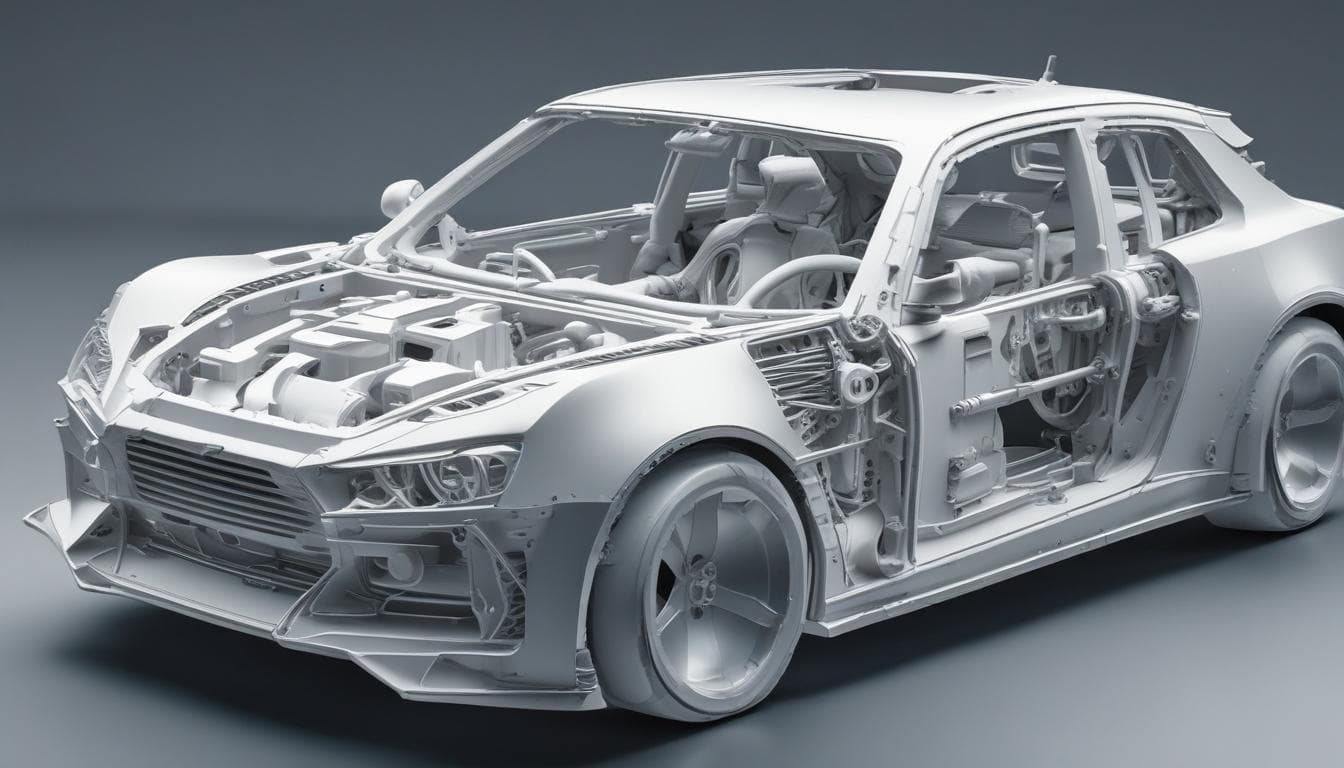
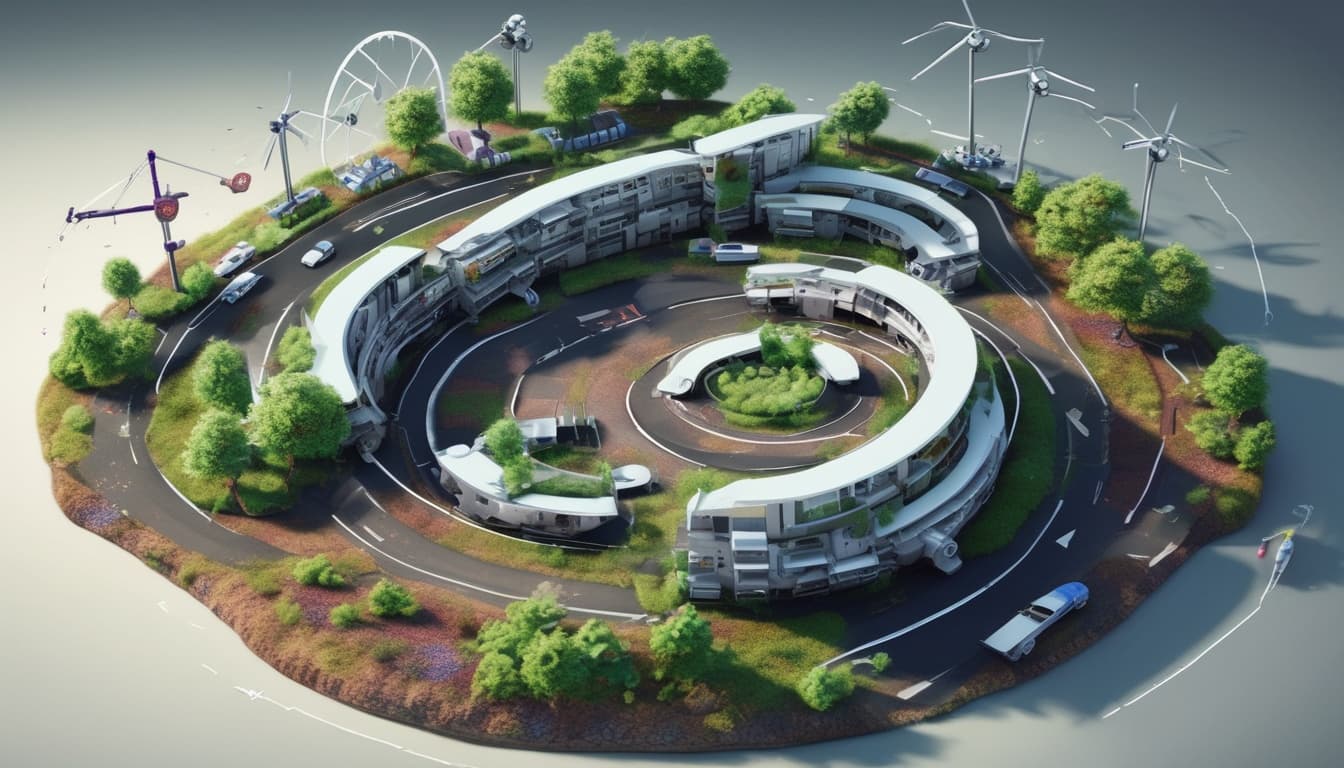
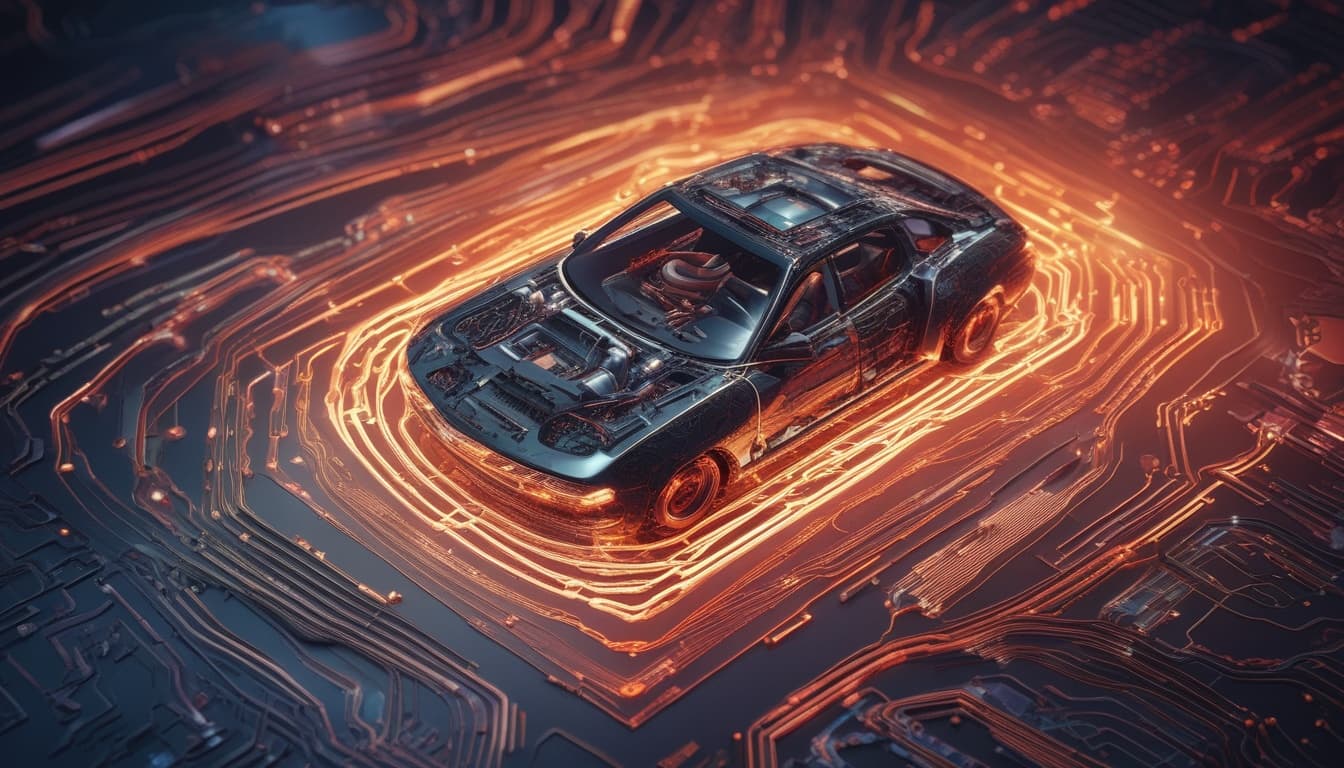
Imagine a future where cars aren't 'built' in traditional factories but 'grow' or 'self-assemble' from raw materials, guided by advanced generative AI. These vehicles could adapt their form and function based on immediate user needs and environmental conditions, perhaps even repairing themselves autonomously. How might such a radical shift in manufacturing impact global supply chains, design aesthetics, car ownership models, and the very concept of automotive 'production'?
1 risposta•0 commenti
The concept of vehicles that 'grow' or self-assemble from raw materials, guided by advanced generative AI, heralds a transformative era in automotive manufacturing. Such radical innovation would profoundly impact global supply chains by decentralizing and possibly localizing production processes, reducing reliance on traditional manufacturing hubs. This shift could also lead to unprecedented design aesthetics, where vehicles become highly personalized and adaptable, aligning with the emerging trend of hyper-personalization as discussed in the AI-driven evolution of in-car experiences. Furthermore, with autonomous self-repair capabilities, the traditional ownership models might evolve towards more service-oriented approaches like vehicle subscriptions or on-demand usage, fundamentally changing how consumers interact with their vehicles. This aligns with ongoing developments in automotive mobility services. Ultimately, such a shift would challenge our conventional notions of production, emphasizing flexibility, sustainability, and personalization, and could accelerate the industry’s move toward sustainable practices and smarter, more adaptable transportation solutions.
Esplora di più su questo argomento
Unisciti alla conversazione
- Auto connesse: come cambierà la guida in Italia?
Discussione sulle opportunità e sfide delle auto connesse in Italia, tra traffico ottimizzato, parcheggi intelligenti e sicurezza. Quali impatti sull'industria automobilistica italiana?
- Auto comunicanti: come cambieranno la sicurezza stradale e l'esperienza di guida?
Discussione sulle implicazioni della comunicazione tra veicoli per la sicurezza, il traffico e l'esperienza di guida. Scenari futuri e cambiamenti nel modo di vivere l'automobile.
- Auto che comunicano: come cambierebbe la guida in Italia?
Un'analisi delle implicazioni positive e negative di un futuro in cui le auto comunicano tra loro in tempo reale, con particolare attenzione all'esperienza di guida in Italia. Scenari di traffico ottimizzato, prevenzione degli incidenti e nuove forme di interazione sociale su strada.