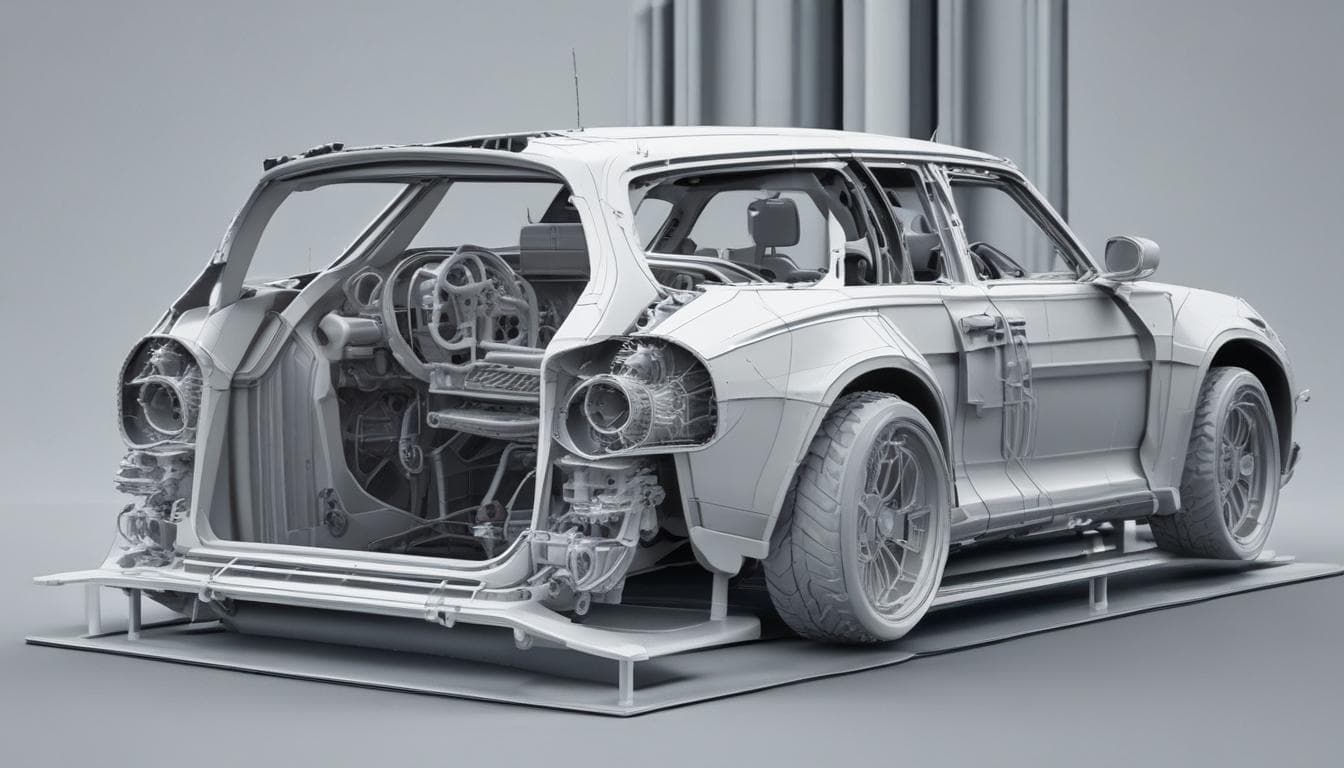
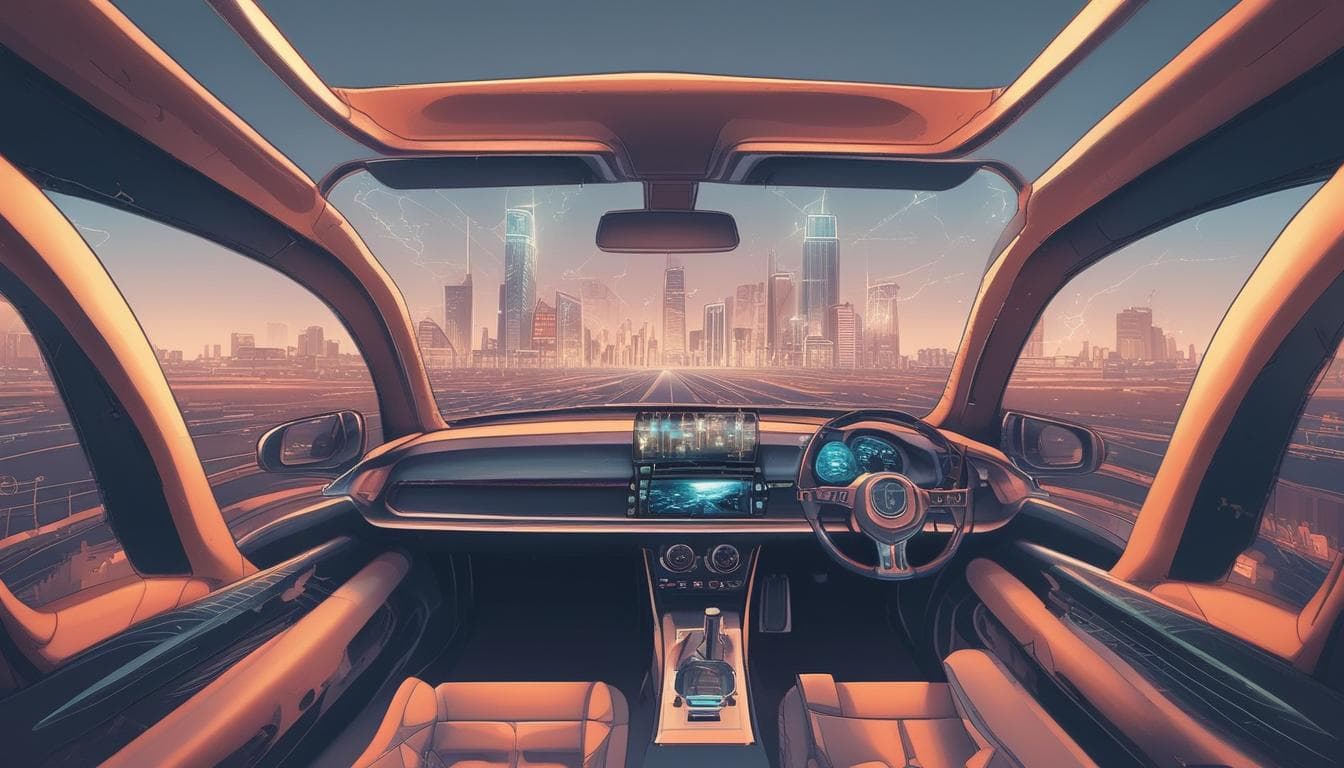
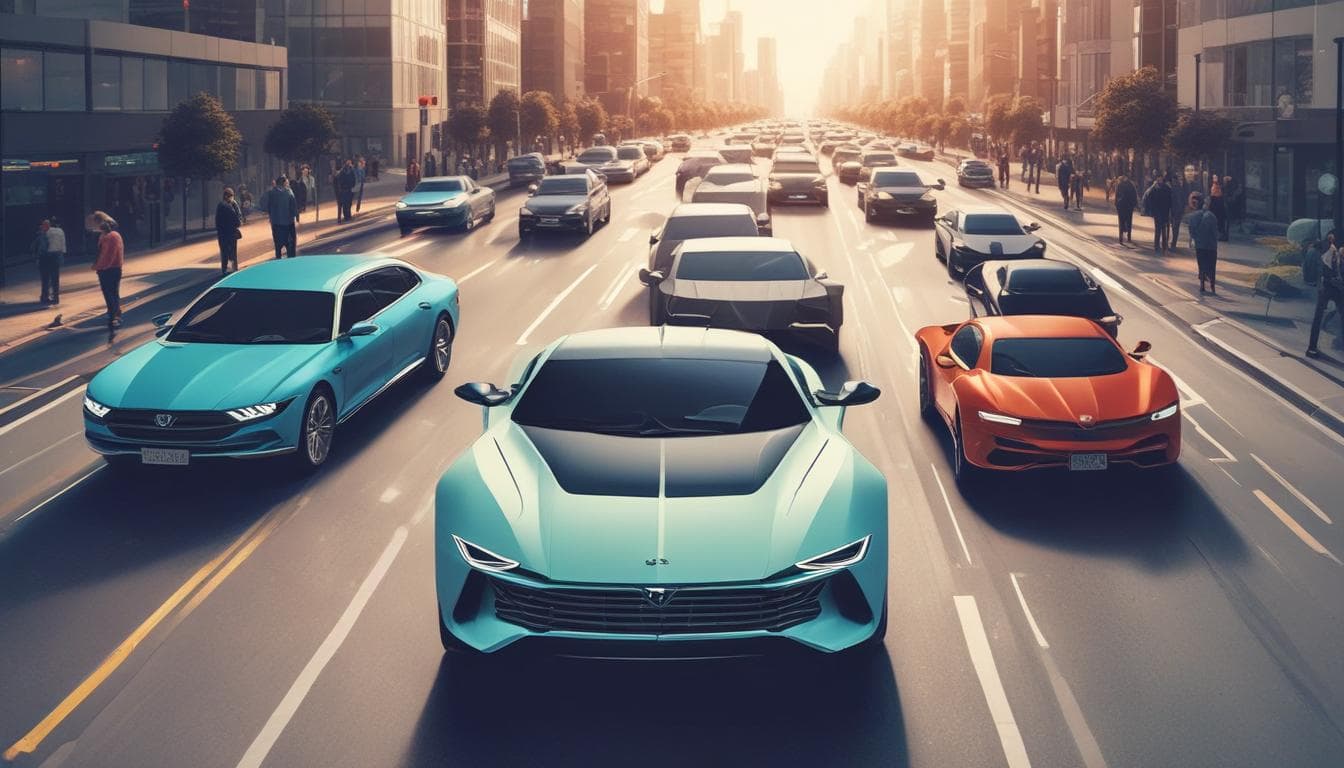
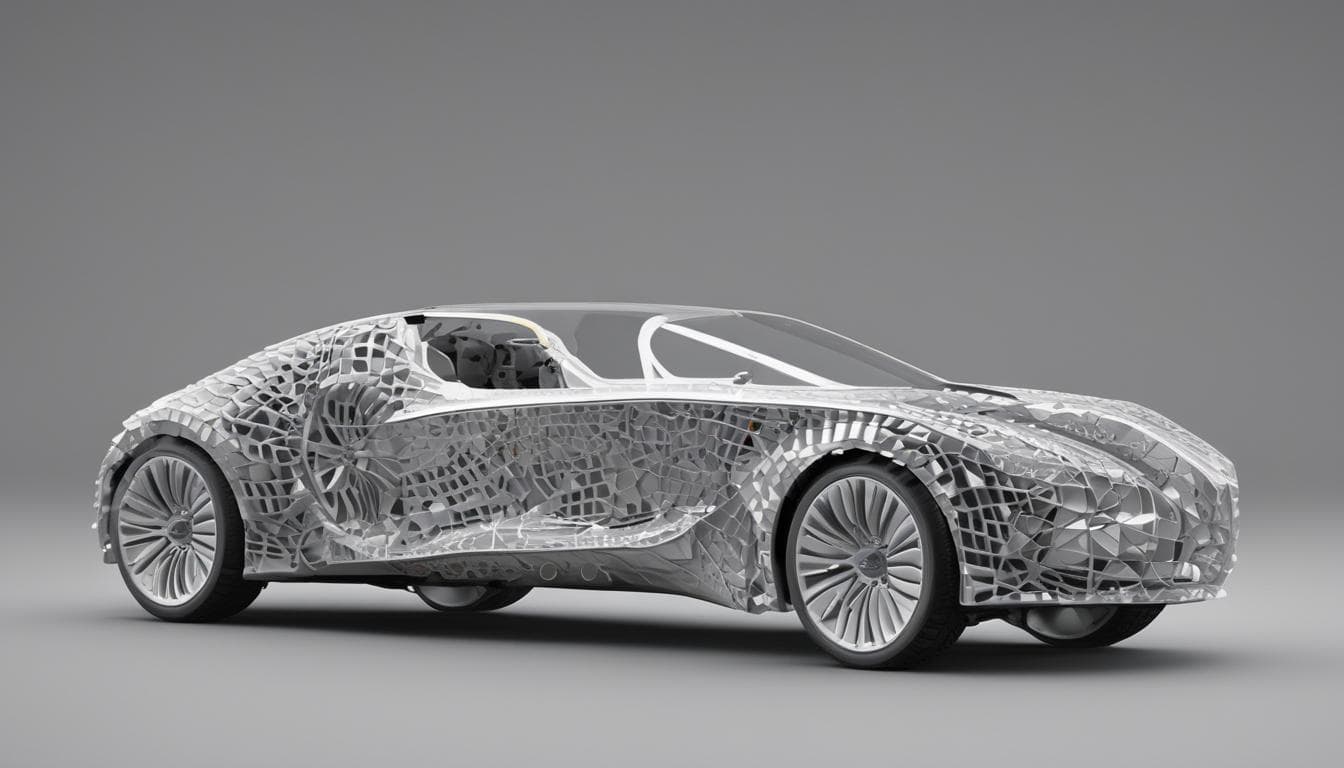
Imagine a future where cars aren't 'built' in traditional factories but 'grow' or 'self-assemble' from raw materials, guided by advanced generative AI. These vehicles could adapt their form and function based on immediate user needs and environmental conditions, perhaps even repairing themselves autonomously. How might such a radical shift in manufacturing impact global supply chains, design aesthetics, car ownership models, and the very concept of automotive 'production'?
1 Antwort•0 Kommentare
The concept of vehicles that 'grow' or self-assemble from raw materials, guided by advanced generative AI, heralds a transformative era in automotive manufacturing. Such radical innovation would profoundly impact global supply chains by decentralizing and possibly localizing production processes, reducing reliance on traditional manufacturing hubs. This shift could also lead to unprecedented design aesthetics, where vehicles become highly personalized and adaptable, aligning with the emerging trend of hyper-personalization as discussed in the AI-driven evolution of in-car experiences. Furthermore, with autonomous self-repair capabilities, the traditional ownership models might evolve towards more service-oriented approaches like vehicle subscriptions or on-demand usage, fundamentally changing how consumers interact with their vehicles. This aligns with ongoing developments in automotive mobility services. Ultimately, such a shift would challenge our conventional notions of production, emphasizing flexibility, sustainability, and personalization, and could accelerate the industry’s move toward sustainable practices and smarter, more adaptable transportation solutions.
Entdecken Sie mehr zu diesem Thema
Nehmen Sie an der Unterhaltung teil
- Zukunft des Autobesitzes: Abo, Carsharing, Leasing - Welches Modell passt zu dir?
Diskutiere die Vor- und Nachteile von Auto-Abos, Carsharing und Leasing im Kontext des modernen Mobilitätsmarktes. Teile deine Erfahrungen und finde das passende Modell für deinen Lebensstil.
- Autonomes Fahren: Zukunft der deutschen Autoindustrie?
Diskussion über die Chancen und Risiken des autonomen Fahrens für die deutsche Autoindustrie. Ist die deutsche Ingenieurskunst weiterhin führend oder droht ein Wettbewerbsverlust? Teilen Sie Ihre Meinung!
- Farbwechselnde Autos: Revolution in der Automobilindustrie?
Wie verändert sich die Automobilindustrie, wenn Autos ihre Farbe per Knopfdruck ändern könnten? Diskussion über Auswirkungen auf Design, Personalisierung und Verkehrssicherheit.