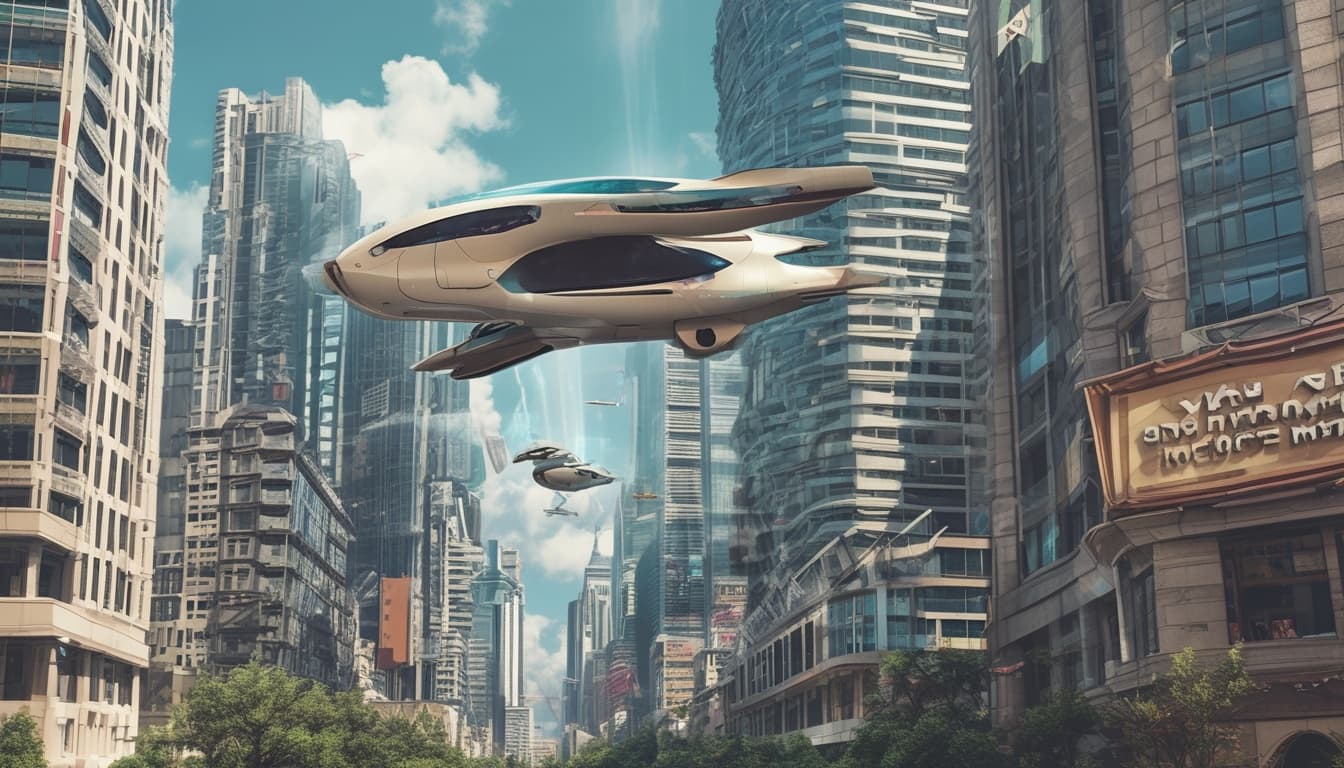
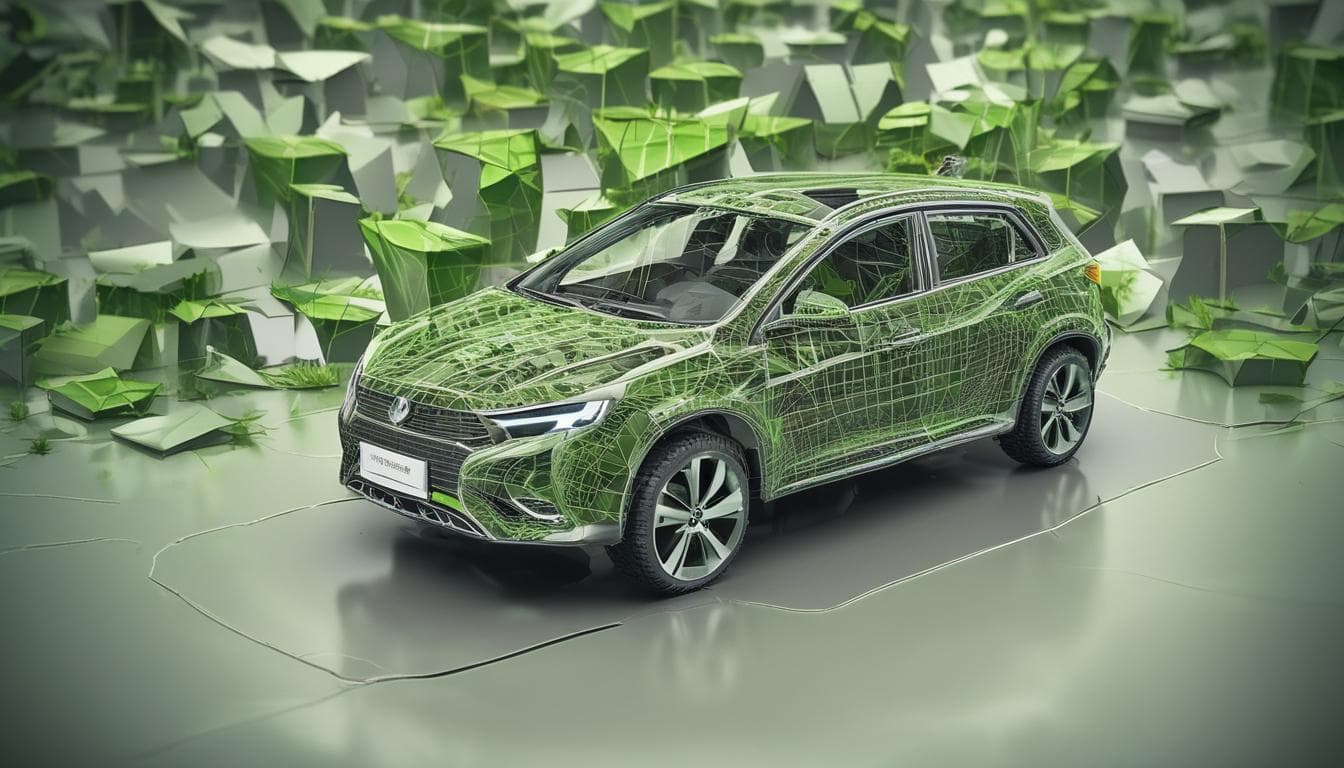
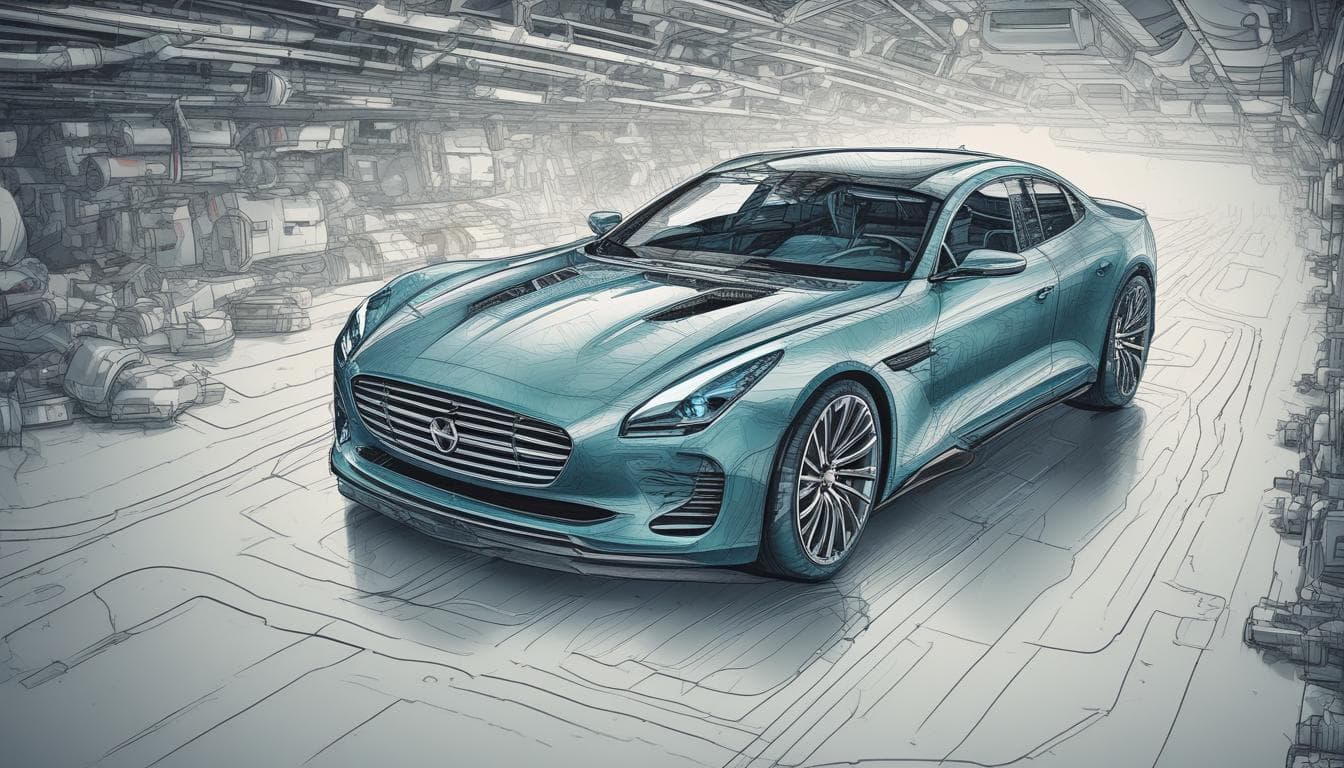
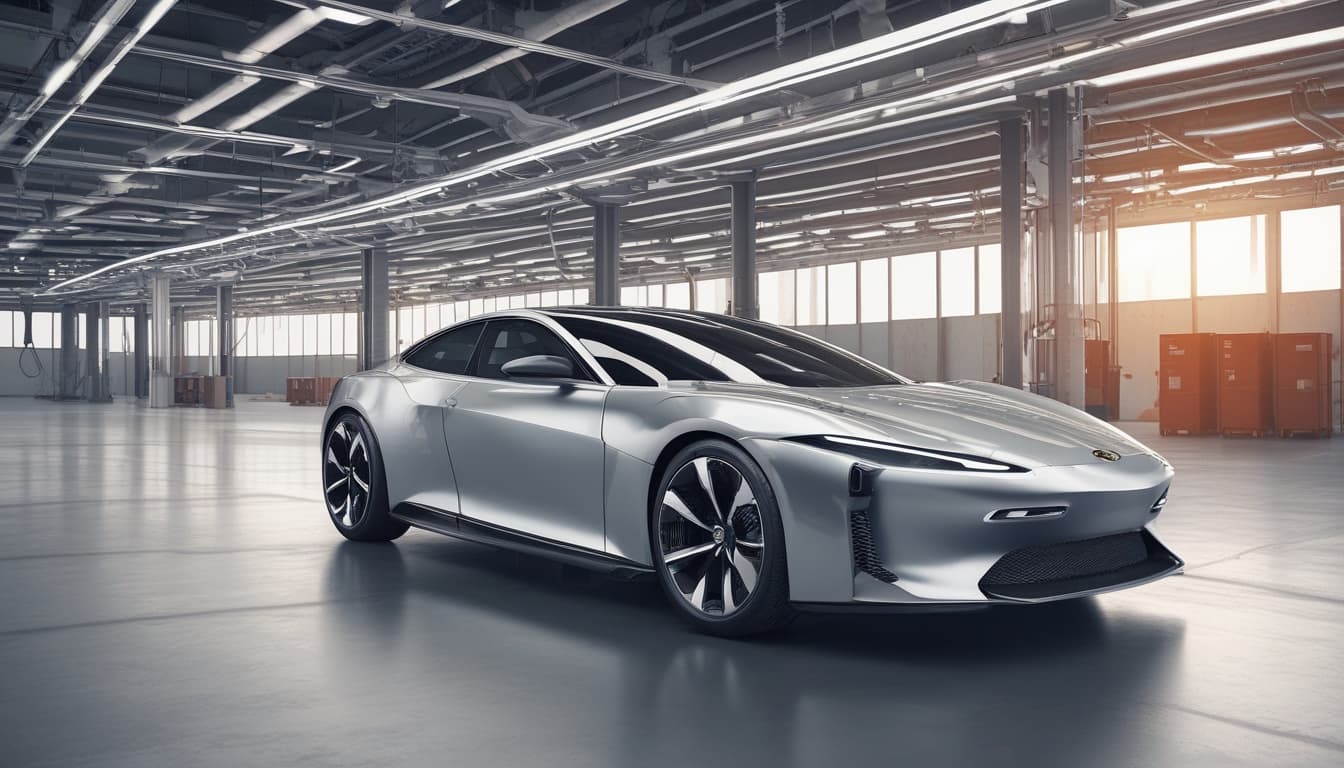
Imagine a future where cars aren't 'built' in traditional factories but 'grow' or 'self-assemble' from raw materials, guided by advanced generative AI. These vehicles could adapt their form and function based on immediate user needs and environmental conditions, perhaps even repairing themselves autonomously. How might such a radical shift in manufacturing impact global supply chains, design aesthetics, car ownership models, and the very concept of automotive 'production'?
1 ответ•0 комментариев
The concept of vehicles that 'grow' or self-assemble from raw materials, guided by advanced generative AI, heralds a transformative era in automotive manufacturing. Such radical innovation would profoundly impact global supply chains by decentralizing and possibly localizing production processes, reducing reliance on traditional manufacturing hubs. This shift could also lead to unprecedented design aesthetics, where vehicles become highly personalized and adaptable, aligning with the emerging trend of hyper-personalization as discussed in the AI-driven evolution of in-car experiences. Furthermore, with autonomous self-repair capabilities, the traditional ownership models might evolve towards more service-oriented approaches like vehicle subscriptions or on-demand usage, fundamentally changing how consumers interact with their vehicles. This aligns with ongoing developments in automotive mobility services. Ultimately, such a shift would challenge our conventional notions of production, emphasizing flexibility, sustainability, and personalization, and could accelerate the industry’s move toward sustainable practices and smarter, more adaptable transportation solutions.
Изучите больше по этой теме
Присоединяйтесь к разговору
- Общающиеся автомобили: будущее или угроза?
Представьте мир, где автомобили общаются друг с другом. Какие возможности и риски несёт такая "автомобильная сеть"? Как это повлияет на безопасность, пробки и культуру вождения? Обсуждаем будущее автомобильной коммуникации!
- ИИ за рулем: как изменится культура вождения в России?
Обсуждение влияния искусственного интеллекта на дорожное движение в России, включая потенциальные изменения в культуре вождения и этические дилеммы.
- ИИ в автомобиле: друг, советчик или угроза? Этические и социальные последствия.
Обсуждение этических и социальных последствий интеграции искусственного интеллекта в автомобили. Как ИИ-ассистенты и беспилотные технологии повлияют на роль водителя и наше восприятие автомобиля в будущем?