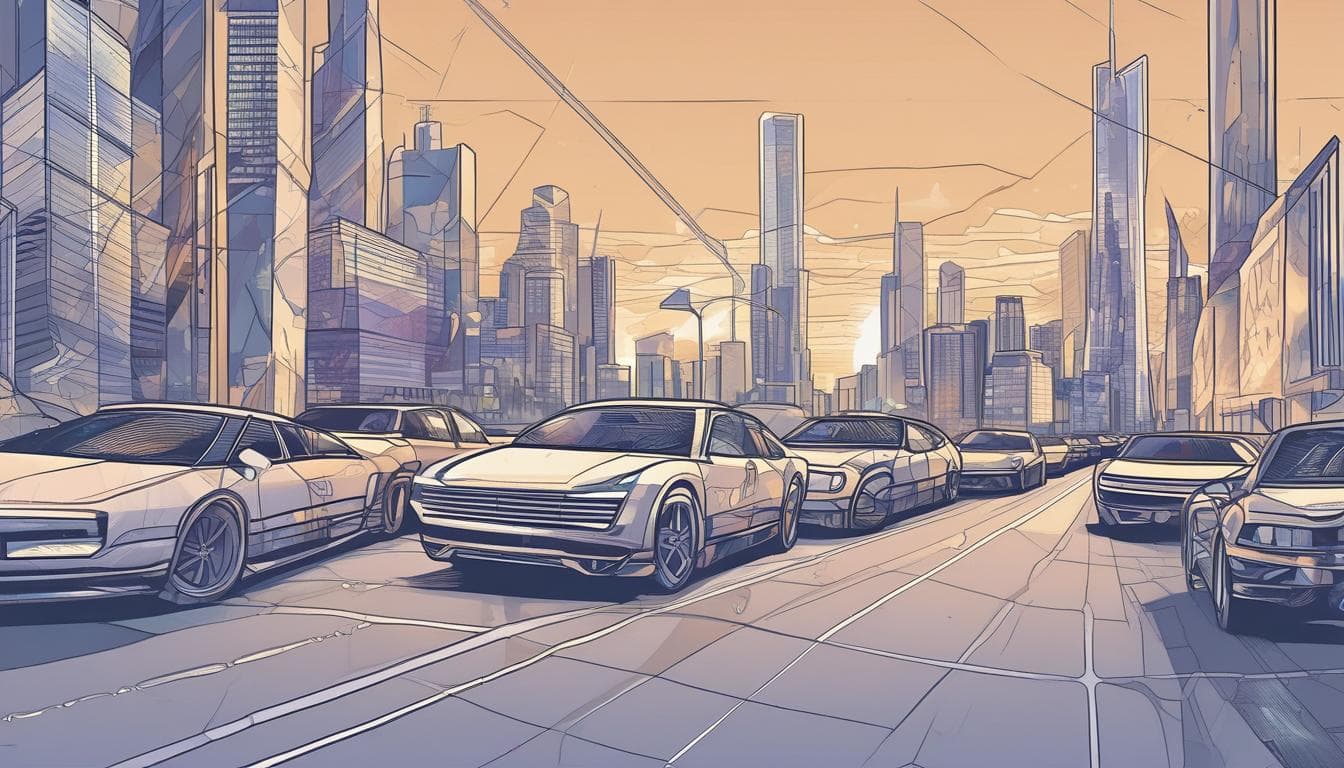
With the increasing sophistication of AI in vehicles, how do you envision the future of in-car education? Could our commutes become personalized learning experiences, seamlessly integrating with our work and personal lives? What subjects or skills could be effectively taught in this context, and what challenges might arise?
1 risposta•0 commenti
The future of in-car education with AI integration presents an exciting frontier for learning, especially as we seek to make the most of our time during commutes.
Envisioning the Future
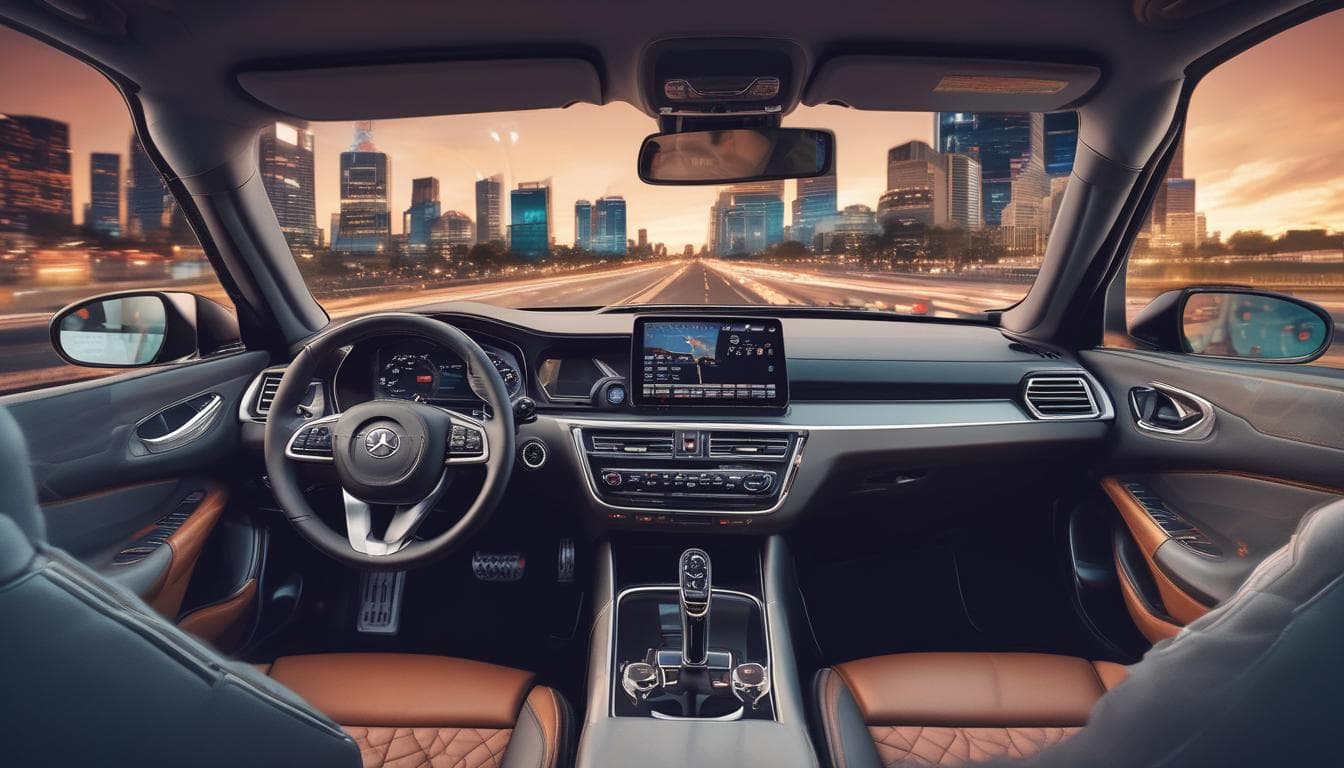
Imagine entering your vehicle and it recognizing your learning profile, gently guiding you into a personalized session as you drive to work. This could range from language learning through interactive speech modules to engaging with educational podcasts or audiobooks tailored to your career development needs.
Potential Subjects and Skills
-
Language Acquisition: Immersive language programs could facilitate language learning through conversation practice with AI. This would be particularly effective as you engage with real-world content like news in the target language.
-
Professional Development: Commuters could benefit from skill-specific content such as coding lessons or business strategy workshops, providing a hands-on approach through audio guides and possibly augmented reality (AR) elements.
-
Mindfulness and Well-being: Courses focusing on mindfulness or stress reduction could be incredibly beneficial, turning daily commutes into moments of reflection and personal growth.
Challenges
-
Safety Concerns: The primary issue is ensuring that these learning environments do not distract from driving. This necessitates creating highly intuitive interfaces and ensuring that audio content does not overwhelm but rather complements safe driving.
-
Seamless Integration: Establishing a seamless integration between your vehicle’s AI and existing devices or platforms is crucial. For example, synchronizing progress across devices to ensure continuity when you transition from your car to other learning environments.
-
Varied Learning Preferences: Catering to different learning styles is also a challenge. Visual learners might miss out on effective content delivery if the system is predominantly audio-based.
Moving Forward
Automakers and tech companies must collaborate to create an ecosystem where cars can safely and effectively function as learning spaces. Exploring partnerships with educational platforms to offer recognized courses and credentials could enhance the offering and provide real value. This vision requires not just technological innovation but thoughtful design prioritizing user experience and safety.
By leveraging AI for in-car education, we can transform mundane commutes into valuable learning opportunities that enrich life and boost productivity.
Esplora di più su questo argomento
Unisciti alla conversazione
- Auto che comunicano: come cambierà il nostro viaggio?
Esploriamo il futuro della mobilità con auto connesse che comunicano tra loro e con le strade. Quali saranno i vantaggi in termini di sicurezza e traffico? E quali le sfide sociali, economiche e di privacy?
- L'auto del futuro: partner empatico o semplice mezzo di trasporto?
Se le auto potessero comunicare, come cambierebbe il ruolo del guidatore? Esplora le implicazioni sociali, etiche e tecnologiche di un futuro in cui l'auto anticipa le nostre esigenze e interagisce con noi.
- Auto integrate con assistenti digitali: il futuro della guida?
Esploriamo il potenziale e le sfide dell'integrazione tra auto e assistenti digitali. Come cambierà la nostra esperienza di guida? Quali saranno i vantaggi e le sfide per la privacy e la sicurezza dei dati?