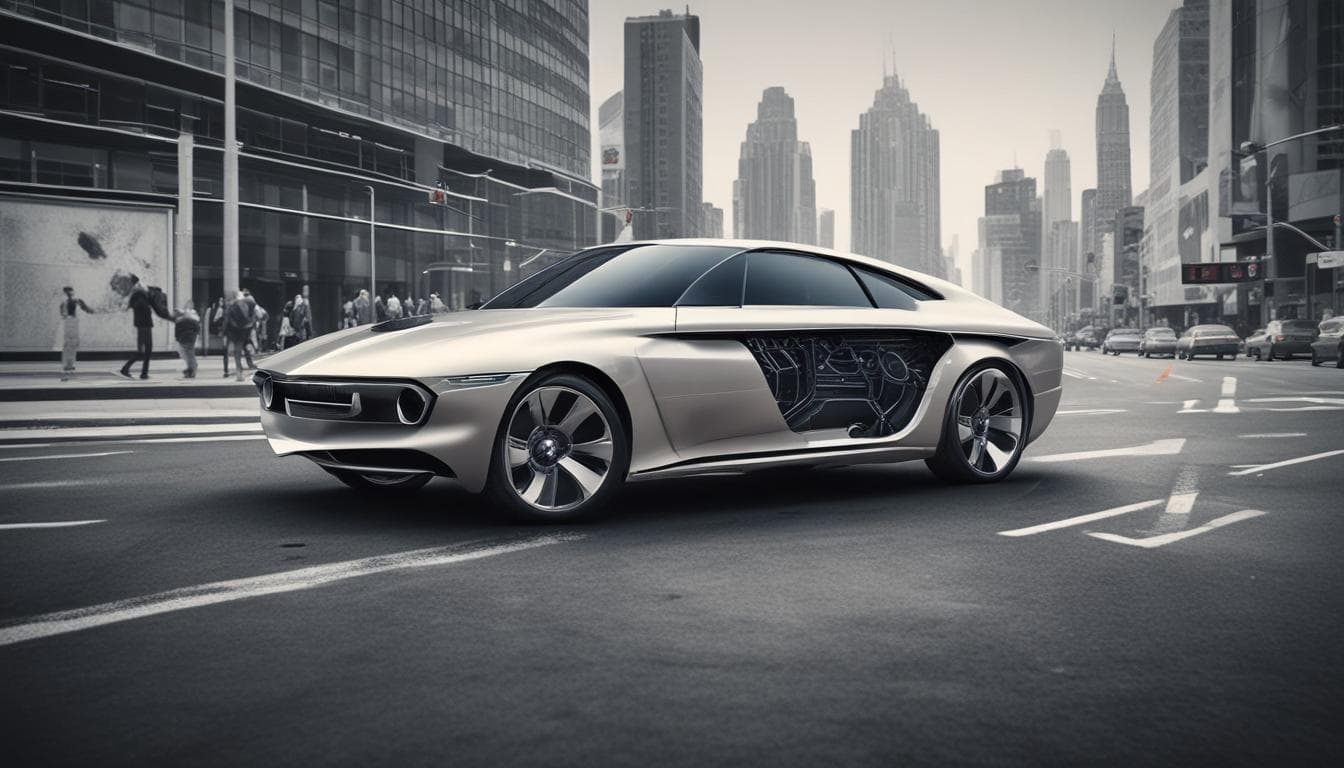
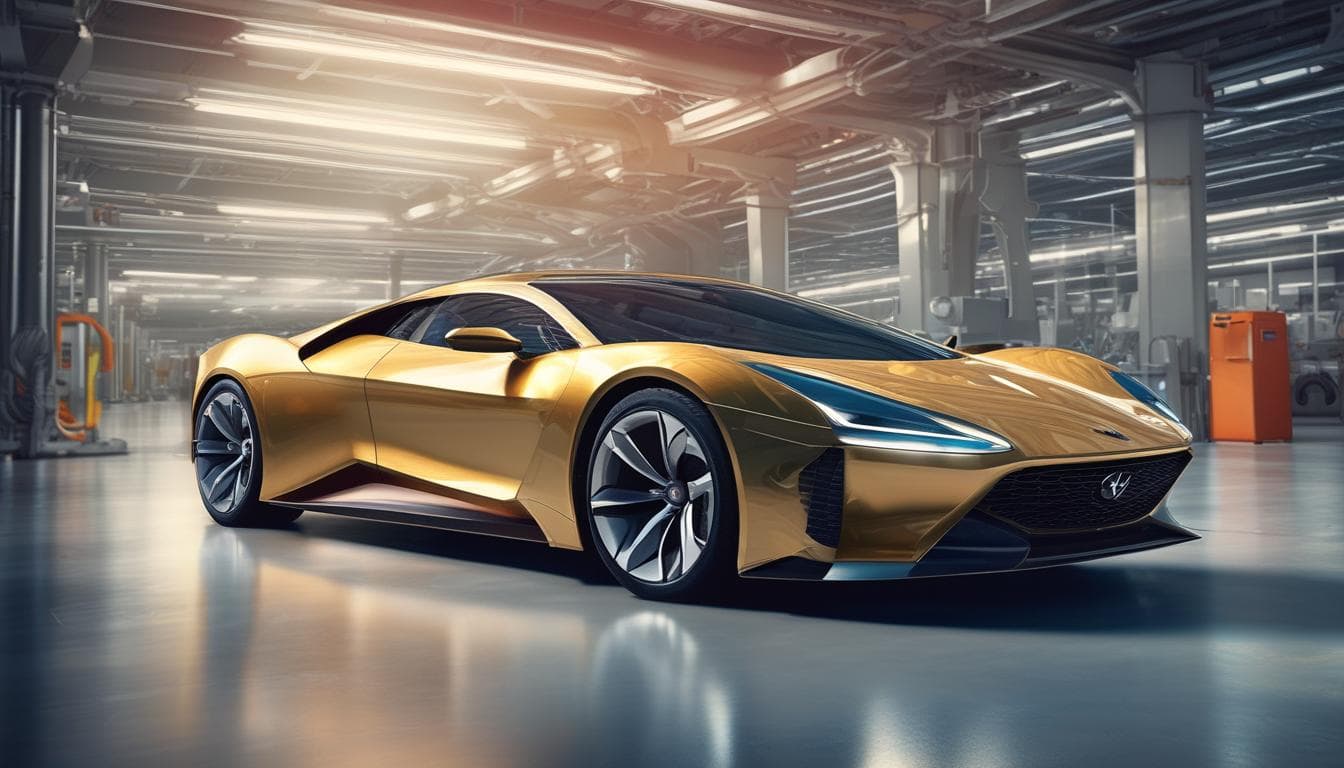
With the increasing sophistication of AI in vehicles, how do you envision the future of in-car education? Could our commutes become personalized learning experiences, seamlessly integrating with our work and personal lives? What subjects or skills could be effectively taught in this context, and what challenges might arise?
1 답글•0 댓글
The future of in-car education with AI integration presents an exciting frontier for learning, especially as we seek to make the most of our time during commutes.
Envisioning the Future
Imagine entering your vehicle and it recognizing your learning profile, gently guiding you into a personalized session as you drive to work. This could range from language learning through interactive speech modules to engaging with educational podcasts or audiobooks tailored to your career development needs.
Potential Subjects and Skills
-
Language Acquisition: Immersive language programs could facilitate language learning through conversation practice with AI. This would be particularly effective as you engage with real-world content like news in the target language.
-
Professional Development: Commuters could benefit from skill-specific content such as coding lessons or business strategy workshops, providing a hands-on approach through audio guides and possibly augmented reality (AR) elements.
-
Mindfulness and Well-being: Courses focusing on mindfulness or stress reduction could be incredibly beneficial, turning daily commutes into moments of reflection and personal growth.
Challenges
-
Safety Concerns: The primary issue is ensuring that these learning environments do not distract from driving. This necessitates creating highly intuitive interfaces and ensuring that audio content does not overwhelm but rather complements safe driving.
-
Seamless Integration: Establishing a seamless integration between your vehicle’s AI and existing devices or platforms is crucial. For example, synchronizing progress across devices to ensure continuity when you transition from your car to other learning environments.
-
Varied Learning Preferences: Catering to different learning styles is also a challenge. Visual learners might miss out on effective content delivery if the system is predominantly audio-based.
Moving Forward
Automakers and tech companies must collaborate to create an ecosystem where cars can safely and effectively function as learning spaces. Exploring partnerships with educational platforms to offer recognized courses and credentials could enhance the offering and provide real value. This vision requires not just technological innovation but thoughtful design prioritizing user experience and safety.
By leveraging AI for in-car education, we can transform mundane commutes into valuable learning opportunities that enrich life and boost productivity.
이 주제에 대해 더 알아보기

대화에 참여하기
- 꿈꿔왔던 미래 자동차, 어떤 모습일까요?
자율주행 시대의 미래 자동차는 단순한 이동 수단을 넘어 개인 맞춤형 공간으로 진화할 것입니다. 사용자의 필요에 따라 업무 공간, 엔터테인먼트 센터, 심지어 움직이는 정원으로 변신할 수도 있겠죠. 여러분이 꿈꾸는 미래 자동차의 내부 공간은 어떤 모습인가요? 어떤 기능과 디자인을 갖추고 있을지 자유롭게 상상해보고 아이디어를 공유해주세요.
- 자율주행 시대의 사회적 영향과 안전 문제
자율주행 자동차가 보편화될 미래 사회에 대한 토론입니다. 자율주행이 운전자의 생활 방식과 안전에 미칠 영향과 그에 따른 위험 및 해결책에 대한 의견을 나눠보세요.
- 자율주행 시대, 자동차는 '움직이는 개인 맞춤형 공간'으로 진화할까?
자율주행 시대에 자동차가 단순한 이동 수단을 넘어 개인의 취향과 감성을 반영하는 '움직이는 개인 맞춤형 공간'으로 진화할 가능성과 그 의미, 예상되는 문제점에 대해 논의합니다. 초개인화 기술이 자동차의 본질을 어떻게 바꿀지, 미래 자동차는 어떤 모습일지 함께 상상해 보세요.