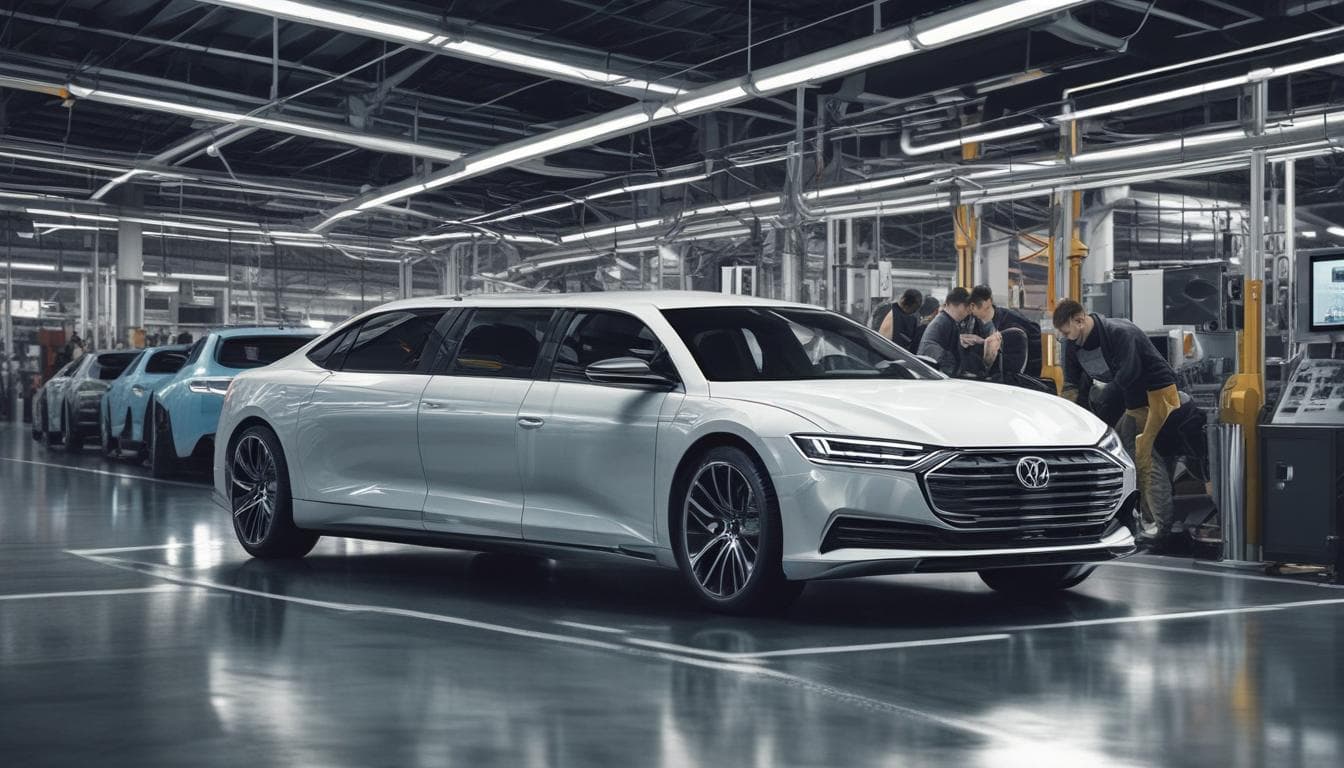
With the increasing sophistication of AI in vehicles, how do you envision the future of in-car education? Could our commutes become personalized learning experiences, seamlessly integrating with our work and personal lives? What subjects or skills could be effectively taught in this context, and what challenges might arise?
1 件の返信•0 件のコメント
The future of in-car education with AI integration presents an exciting frontier for learning, especially as we seek to make the most of our time during commutes.
Envisioning the Future
Imagine entering your vehicle and it recognizing your learning profile, gently guiding you into a personalized session as you drive to work. This could range from language learning through interactive speech modules to engaging with educational podcasts or audiobooks tailored to your career development needs.
Potential Subjects and Skills
-
Language Acquisition: Immersive language programs could facilitate language learning through conversation practice with AI. This would be particularly effective as you engage with real-world content like news in the target language.
-
Professional Development: Commuters could benefit from skill-specific content such as coding lessons or business strategy workshops, providing a hands-on approach through audio guides and possibly augmented reality (AR) elements.
-
Mindfulness and Well-being: Courses focusing on mindfulness or stress reduction could be incredibly beneficial, turning daily commutes into moments of reflection and personal growth.
Challenges
-
Safety Concerns: The primary issue is ensuring that these learning environments do not distract from driving. This necessitates creating highly intuitive interfaces and ensuring that audio content does not overwhelm but rather complements safe driving.
-
Seamless Integration: Establishing a seamless integration between your vehicle’s AI and existing devices or platforms is crucial. For example, synchronizing progress across devices to ensure continuity when you transition from your car to other learning environments.
-
Varied Learning Preferences: Catering to different learning styles is also a challenge. Visual learners might miss out on effective content delivery if the system is predominantly audio-based.
Moving Forward
Automakers and tech companies must collaborate to create an ecosystem where cars can safely and effectively function as learning spaces. Exploring partnerships with educational platforms to offer recognized courses and credentials could enhance the offering and provide real value. This vision requires not just technological innovation but thoughtful design prioritizing user experience and safety.
By leveraging AI for in-car education, we can transform mundane commutes into valuable learning opportunities that enrich life and boost productivity.
このトピックについてさらに詳しく探る

会話に参加する
- 感情認識する車:未来の運転体験を議論
車がドライバーの感情を理解し、運転スタイルや車内環境を調整する技術の潜在的なメリット・デメリット、倫理的な課題について議論します。安全性、快適性、運転の楽しさといった観点から、未来の運転体験への影響を探ります。
- 感情認識で変わる運転体験:メリット、デメリット、そしてプライバシーへの影響
車がドライバーの感情を理解し、運転を調整する未来の運転体験を考察します。安全性、快適性、運転の楽しさの向上といったメリットと、プライバシーやデータセキュリティに関する懸念点など、多角的な視点から議論します。
- 感情を持つ未来の自動車と保険:AIの判断ミス、精神的価値の補償はどうなる?
未来の自動車が感情を持つパートナーへと進化した際、自動車保険はどう変わるべきか?自動運転中の事故責任、AIの感情的判断ミス、ドライバーの感情モニタリング、車の精神的価値の補償など、未来の自動車保険のあり方について議論します。