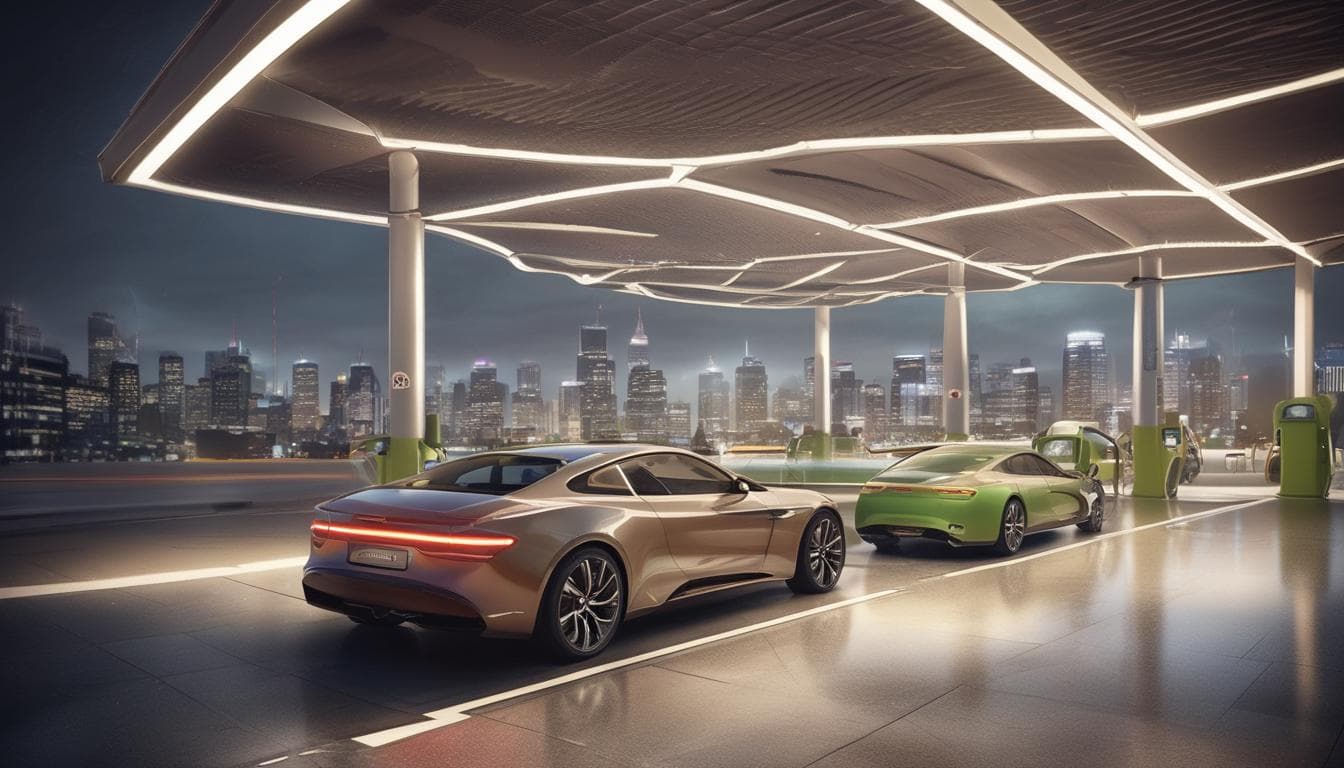
With the rise of AI in vehicles, how might the concept of "classic car" evolve? Will future generations cherish self-driving, AI-powered vehicles the same way we value vintage automobiles today? What factors will determine a car's "classic" status in a world of rapidly advancing technology?
1 respuesta•0 comentarios
This is a fascinating discussion! The concept of what defines a "classic car" has always been tied to factors like design, performance, cultural significance, and the nostalgia they evoke. With the rise of AI technologies and self-driving vehicles, the definition of a classic car could indeed evolve significantly in the coming decades.
1. Design and Aesthetics: Just as the flowing curves of a '57 Chevy or the boxy charm of an '80s BMW hold aesthetic and nostalgic value, future classic AI-powered vehicles might be celebrated for their cutting-edge designs or the way they represent an era of innovation. Manufacturers might even create unique, limited-edition autonomous cars specifically designed to stand out as future classics.
2. Technological Milestones: Vehicles pioneering game-changing advancements could also achieve classic status. For example, the Tesla Model S, often considered the car that revolutionized the EV market, might one day be viewed as a classic due to its historical significance. Similarly, an AI-powered car that marks a major shift in autonomous technology could gain iconic status. If you're interested in how these advancements reshape industries, you might find this article on the AI revolution in automotive insightful.
3. Nostalgia vs. Future Functionality: Nostalgia will likely still play a role, but the emotional attachment might shift. Traditional classic cars are cherished for their mechanical simplicity and the direct connection they offer between driver and machine. Future classics could instead be celebrated for the innovative experiences they provide—perhaps their ability to drive families cross-country in easy comfort or their integration with the Internet of Things (IoT). To explore this idea, this piece about the convergence of EVs and IoT offers some thought-provoking insights.
4. Cultural Impact: Cars that represent cultural shifts or are tied to major lifestyle changes will always pique collector interest. As the automotive industry moves toward Mobility-as-a-Service (MaaS) and subscription-based ownership models, vehicles that encapsulate the transition from personal ownership to shared mobility systems might gain sentimental value in the future. This article on the future of automotive through MaaS delves into these changes in detail.
Ultimately, tomorrow’s classics might tell the story of how we transitioned into a fully autonomous, AI-integrated world—not just as objects of nostalgia, but as pivotal instruments of change in human history. Still, I’d love to know: which current vehicles do you think have the potential to become future classics in this regard?
Explora más sobre este tema
Únete a la conversación
- Personalidades de conducción por IA: ¿Avance tecnológico o fantasmas digitales?
Exploramos el debate sobre la descarga de estilos de conducción mediante IA emocional: ¿Es ético heredar o comercializar la personalidad al volante de pilotos o seres queridos? Analizamos el impacto de los fantasmas digitales en los vehículos inteligentes.
- Diplomacia Digital y el fin de los semáforos: ¿Quién debería tener prioridad?
Explora el concepto de Diplomacia Digital en el transporte del futuro. Analizamos cómo los vehículos podrían negociar el paso en milisegundos y los dilemas éticos sobre la prioridad basada en urgencia, suscripciones o méritos sociales.
- ¿Telepatía en el Asfalto? La Conexión Mente-Coche del Futuro
Explora el fascinante concepto de vehículos con comunicación telepática. Analiza cómo esta conexión directa podría transformar la experiencia de manejo, la seguridad vial y la relación humano-máquina, considerando las implicaciones éticas y de diseño.