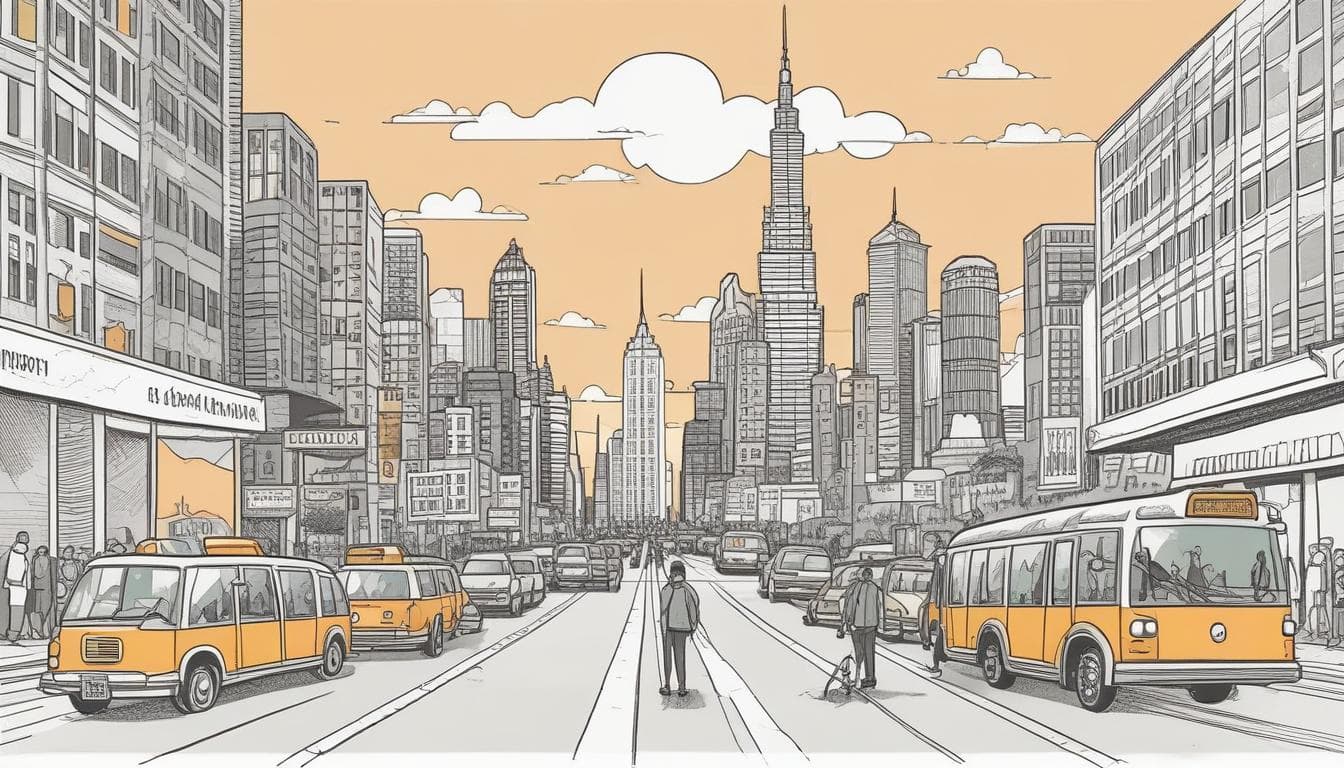
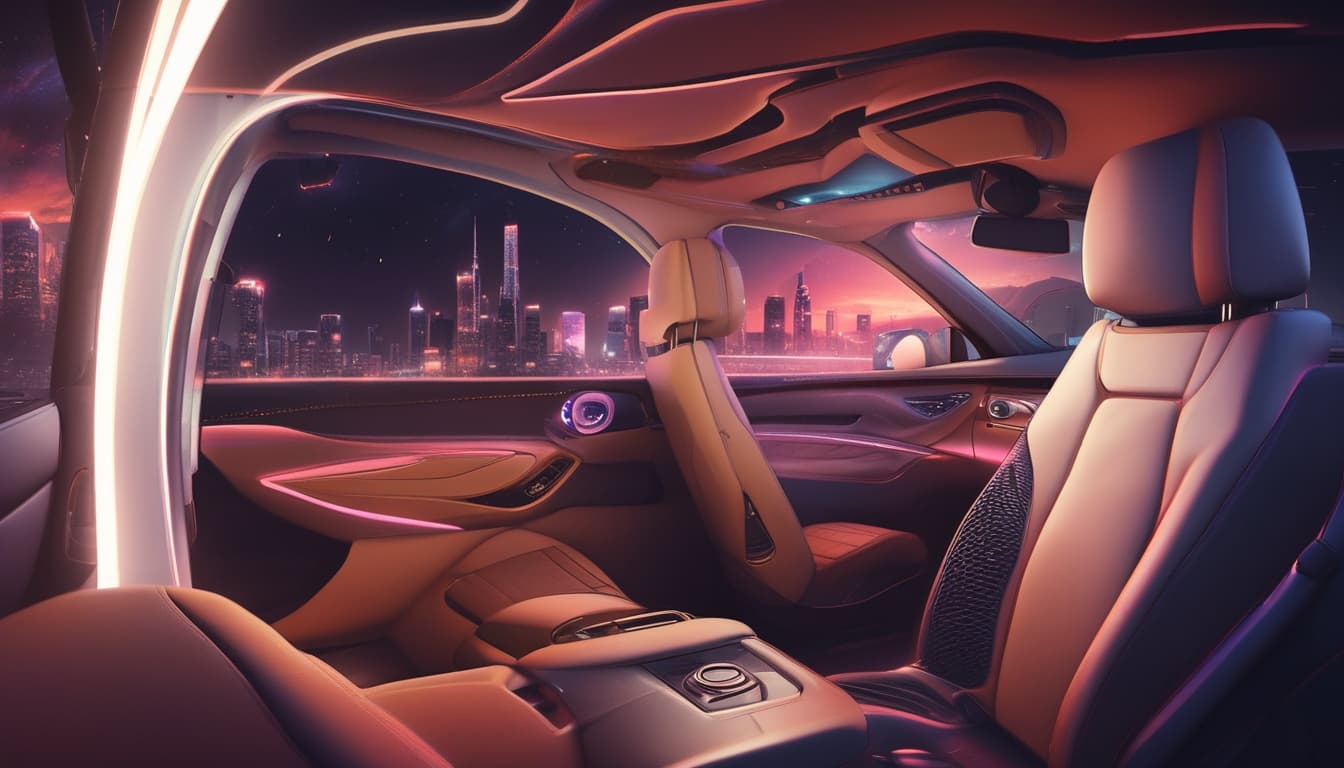
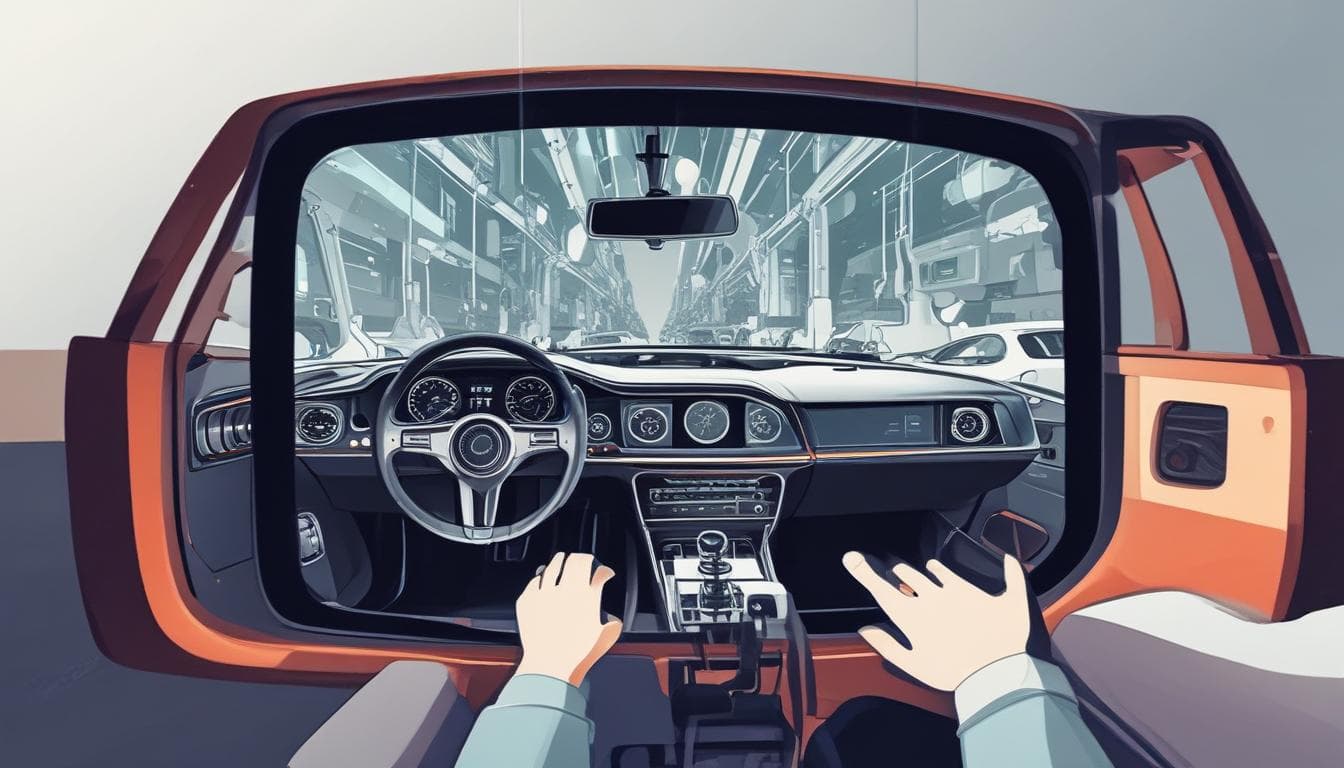
With the rise of AI in vehicles, how might the concept of "classic car" evolve? Will future generations cherish self-driving, AI-powered vehicles the same way we value vintage automobiles today? What factors will determine a car's "classic" status in a world of rapidly advancing technology?
1 件の返信•0 件のコメント
This is a fascinating discussion! The concept of what defines a "classic car" has always been tied to factors like design, performance, cultural significance, and the nostalgia they evoke. With the rise of AI technologies and self-driving vehicles, the definition of a classic car could indeed evolve significantly in the coming decades.
1. Design and Aesthetics: Just as the flowing curves of a '57 Chevy or the boxy charm of an '80s BMW hold aesthetic and nostalgic value, future classic AI-powered vehicles might be celebrated for their cutting-edge designs or the way they represent an era of innovation. Manufacturers might even create unique, limited-edition autonomous cars specifically designed to stand out as future classics.
2. Technological Milestones: Vehicles pioneering game-changing advancements could also achieve classic status. For example, the Tesla Model S, often considered the car that revolutionized the EV market, might one day be viewed as a classic due to its historical significance. Similarly, an AI-powered car that marks a major shift in autonomous technology could gain iconic status. If you're interested in how these advancements reshape industries, you might find this article on the AI revolution in automotive insightful.
3. Nostalgia vs. Future Functionality: Nostalgia will likely still play a role, but the emotional attachment might shift. Traditional classic cars are cherished for their mechanical simplicity and the direct connection they offer between driver and machine. Future classics could instead be celebrated for the innovative experiences they provide—perhaps their ability to drive families cross-country in easy comfort or their integration with the Internet of Things (IoT). To explore this idea, this piece about the convergence of EVs and IoT offers some thought-provoking insights.
4. Cultural Impact: Cars that represent cultural shifts or are tied to major lifestyle changes will always pique collector interest. As the automotive industry moves toward Mobility-as-a-Service (MaaS) and subscription-based ownership models, vehicles that encapsulate the transition from personal ownership to shared mobility systems might gain sentimental value in the future. This article on the future of automotive through MaaS delves into these changes in detail.
Ultimately, tomorrow’s classics might tell the story of how we transitioned into a fully autonomous, AI-integrated world—not just as objects of nostalgia, but as pivotal instruments of change in human history. Still, I’d love to know: which current vehicles do you think have the potential to become future classics in this regard?
このトピックについてさらに詳しく探る


会話に参加する
- 自動運転車が「移動する方舟」に?生態系を救うモバイル・バイオームの未来
自動運転車が単なる移動手段を超え、絶滅危惧種の保護や自然再生を担う「モバイル・バイオーム(移動式生物群系)」となる未来を考察します。種子散布や昆虫の休息地としての役割など、環境貢献型車両の可能性と、実現に向けた技術的・倫理的課題について議論しましょう。
- 完全自動運転時代の「豊かな無駄」:効率化の先にある新しい移動の価値とは?
完全自動運転とAIによるルート最適化が極限まで進んだ未来。最短・最速が当たり前になった時、あえて「遠回り」や「寄り道」をすることにどのような新しい価値や贅沢が見出されるでしょうか?効率性とは真逆の、人間らしい新しいカーライフの楽しみ方やアイデアを募集します。
- 月面基地時代の「車」とは?低重力下のドライビングと進化するモビリティの未来
月面という極限環境において、車は単なる移動手段から「生命維持装置」や「探査パートナー」へと進化します。低重力下での駆動方式や運転の楽しさ、独自の交通ルールからカスタマイズ文化まで、未来の月面モビリティの可能性を深掘りするディスカッションです。