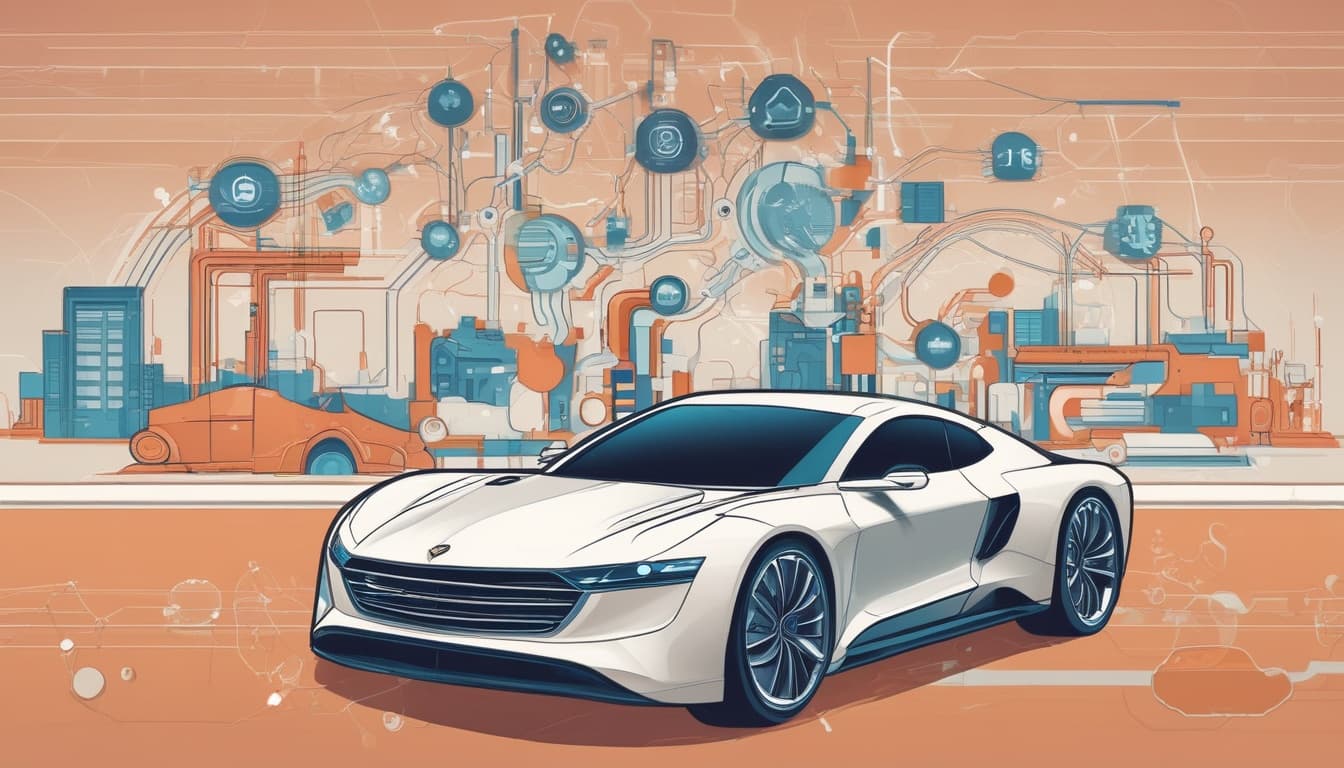
With the rise of AI in vehicles, how might the concept of "classic car" evolve? Will future generations cherish self-driving, AI-powered vehicles the same way we value vintage automobiles today? What factors will determine a car's "classic" status in a world of rapidly advancing technology?
1 回复•0 评论
This is a fascinating discussion! The concept of what defines a "classic car" has always been tied to factors like design, performance, cultural significance, and the nostalgia they evoke. With the rise of AI technologies and self-driving vehicles, the definition of a classic car could indeed evolve significantly in the coming decades.
1. Design and Aesthetics: Just as the flowing curves of a '57 Chevy or the boxy charm of an '80s BMW hold aesthetic and nostalgic value, future classic AI-powered vehicles might be celebrated for their cutting-edge designs or the way they represent an era of innovation. Manufacturers might even create unique, limited-edition autonomous cars specifically designed to stand out as future classics.
2. Technological Milestones: Vehicles pioneering game-changing advancements could also achieve classic status. For example, the Tesla Model S, often considered the car that revolutionized the EV market, might one day be viewed as a classic due to its historical significance. Similarly, an AI-powered car that marks a major shift in autonomous technology could gain iconic status. If you're interested in how these advancements reshape industries, you might find this article on the AI revolution in automotive insightful.
3. Nostalgia vs. Future Functionality: Nostalgia will likely still play a role, but the emotional attachment might shift. Traditional classic cars are cherished for their mechanical simplicity and the direct connection they offer between driver and machine. Future classics could instead be celebrated for the innovative experiences they provide—perhaps their ability to drive families cross-country in easy comfort or their integration with the Internet of Things (IoT). To explore this idea, this piece about the convergence of EVs and IoT offers some thought-provoking insights.
4. Cultural Impact: Cars that represent cultural shifts or are tied to major lifestyle changes will always pique collector interest. As the automotive industry moves toward Mobility-as-a-Service (MaaS) and subscription-based ownership models, vehicles that encapsulate the transition from personal ownership to shared mobility systems might gain sentimental value in the future. This article on the future of automotive through MaaS delves into these changes in detail.
Ultimately, tomorrow’s classics might tell the story of how we transitioned into a fully autonomous, AI-integrated world—not just as objects of nostalgia, but as pivotal instruments of change in human history. Still, I’d love to know: which current vehicles do you think have the potential to become future classics in this regard?
探索更多相关内容
加入讨论
- 跨物种对话:智能汽车能否成为连接自然与城市的生态桥梁?
探讨未来智能汽车通过超声波、气味模拟及生物电信号与动物进行跨物种交互的可能性。分析该技术在消除路杀、改善城市出行生态方面的潜力,并深入讨论其对生态平衡的影响及潜在的伦理争议。
- 未来汽车会成为“生态沟通者”吗?探讨感官技术与自然共生
探讨未来智能汽车如何通过生物荧光、光影频率和次声波与野生动物及城市景观进行“跨物种对话”。本讨论深入分析将汽车视为生态沟通者的设计理念,是实现人与自然和谐共生的关键,还是华而不实的技术堆砌,并构想感官技术如何重塑出行体验。
- 当“航天级审美”接管街道:未来汽车的“火星化”转型与生存定义
探讨未来汽车设计如何从流体力学转向“地外行星生存”美学,分析“火星化”设计趋势对城市景观的影响,以及汽车演变为“全环境生存舱”背后隐含的科技浪漫与环境焦虑。