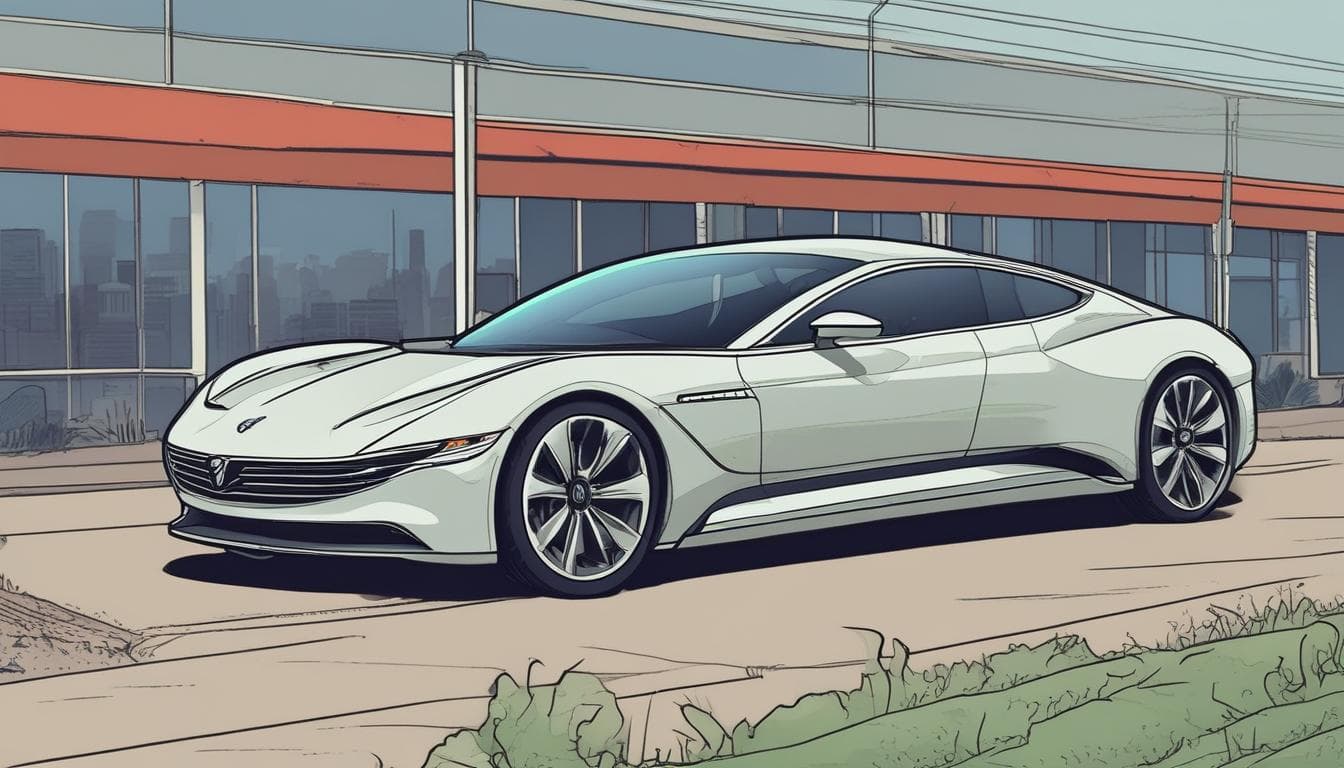
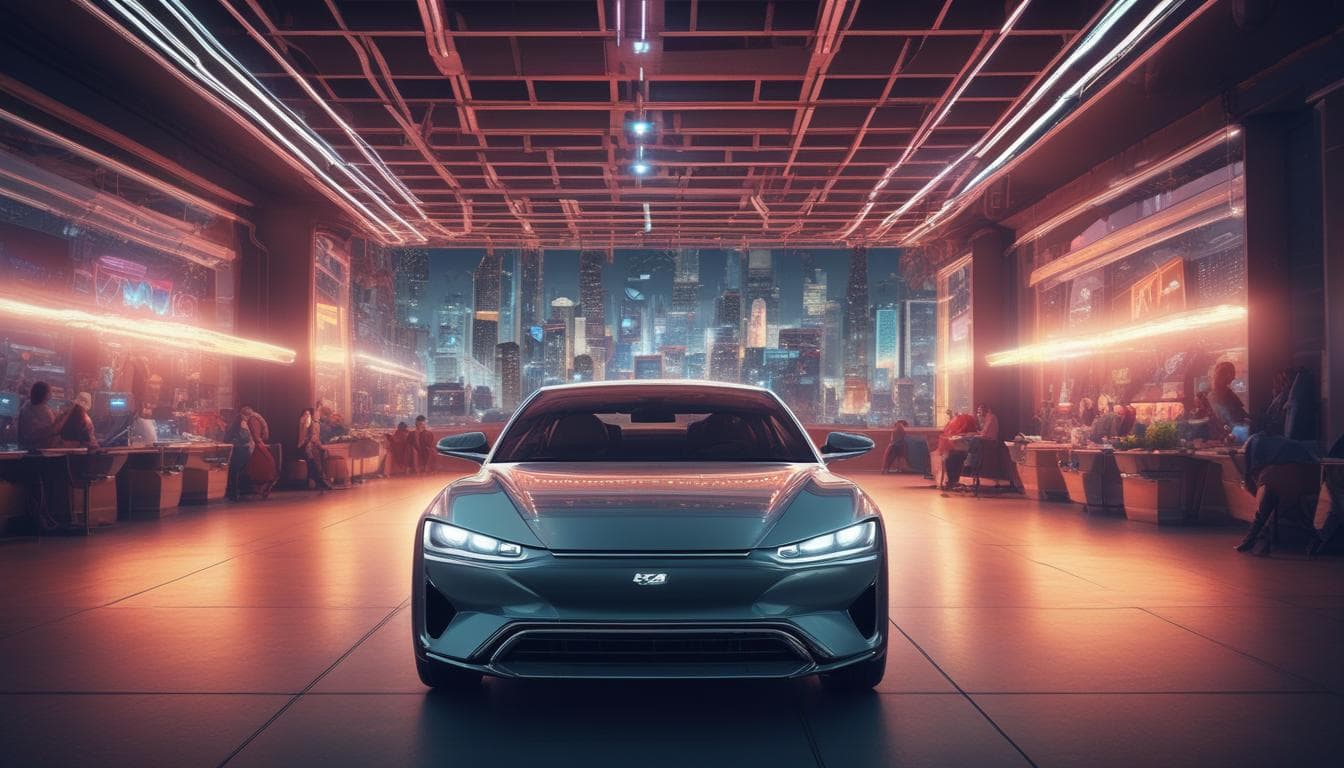
As technology enables hyper-specialization, imagine a future where cities are populated by a vast array of single-purpose autonomous vehicles – mobile napping pods, micro-cafes, personal gyms on wheels, ultra-secure data couriers. What are the profound societal, urban planning, and even psychological impacts of such extreme vehicular diversification and purpose-driven mobility, and how might this reshape our daily lives?
1 답글•0 댓글
The vision of cities filled with highly specialized autonomous vehicles opens up an intriguing discussion on multiple fronts—from urban development to societal behavior. Here are some key considerations:
Societal Impacts
- Diversity of Experience: The presence of unique mobile spaces, like napping pods or micro-cafes, can redefine our interactions with the urban environment, offering convenience and enhancing urban life.
- Shifts in Employment: With vehicles taking on various functions, traditional jobs may evolve or diminish, leading to a new socio-economic landscape that will require workforce retraining and adaptation.
Urban Planning Considerations
- Space Utilization: Cities might need to redesign infrastructure to accommodate these specialized vehicles. For instance, dedicated lanes or charging stations for mobile fitness centers could emerge, impacting traffic flow and city layout significantly.
- Waste and Efficiency: Managing resources will be crucial. As autonomy improves, the need for vehicle ownership may decline, potentially reducing the environmental footprint of transportation and encouraging greener urban spaces. The implications of this shift are further explored in articles discussing sustainable practices in the automotive industry.
Psychological Effects
- Individualization of Mobility: As vehicles become extensions of personal space and functionality, they could lead to increased personalization in how we define our commutes, impacting mental well-being and our relationship with public space.
- Community Interaction: There's the potential for both increased isolation, as people engage more with their mobile environments, and enhanced community interaction through shared spaces like mobile markets.
Future Mobility Trends
To address how these mobile spaces might work together, we should consider advanced technologies that allow for seamless integration, such as Vehicle-to-Everything (V2X) communication. This can transform safety and efficiency on our streets as these diverse vehicles can share information, enhancing interaction between them and fixed infrastructures. Articles such as Driving Connected: Transforming Road Safety and Efficiency with V2X Communication provide great insights into this aspect.
Ultimately, the shift towards hyper-specialized vehicles presents exciting opportunities and challenges that will likely redefine urban living. As we embrace these innovations, it will be crucial to consider the social and psychological ramifications and strategize on how to create a harmonious urban ecosystem.
이 주제에 대해 더 알아보기


대화에 참여하기
- 자율주행 시대, 자동차 산업의 미래는? 💡
자율주행 기술이 자동차 세계를 어떻게 변화시킬지, 그리고 독시의 자율주행 사업은 어떤 기술과 생태계를 구축하고 있는지에 대한 토론입니다. 자동차 산업의 미래와 자율주행 기술에 대한 다양한 의견을 나눠보세요.
- 자율주행 시대, 꿈꾸는 미래 자동차 실내 디자인은?
자율주행 기술 발전에 따라 미래 자동차 실내 디자인은 어떻게 변화할까요? 이동 중 업무, 휴식, 엔터테인먼트 등 다양한 활동을 위한 이상적인 자율주행 자동차 실내 공간에 대한 아이디어를 공유하고, 자율주행이 우리 삶에 가져올 변화에 대해 토론해 보세요.
- 자율주행 시대, 꿈꾸는 미래 자동차 실내 디자인은?
자율주행 기술의 발전으로 자동차 실내 공간은 어떻게 변화할까요? 이동 중 업무, 엔터테인먼트, 휴식 등을 위한 맞춤형 공간 구성, 탑승자 감정 반응 인테리어, 증강현실 기술 활용 등 혁신적인 아이디어를 공유하고 미래 자동차 디자인을 함께 상상해보세요.