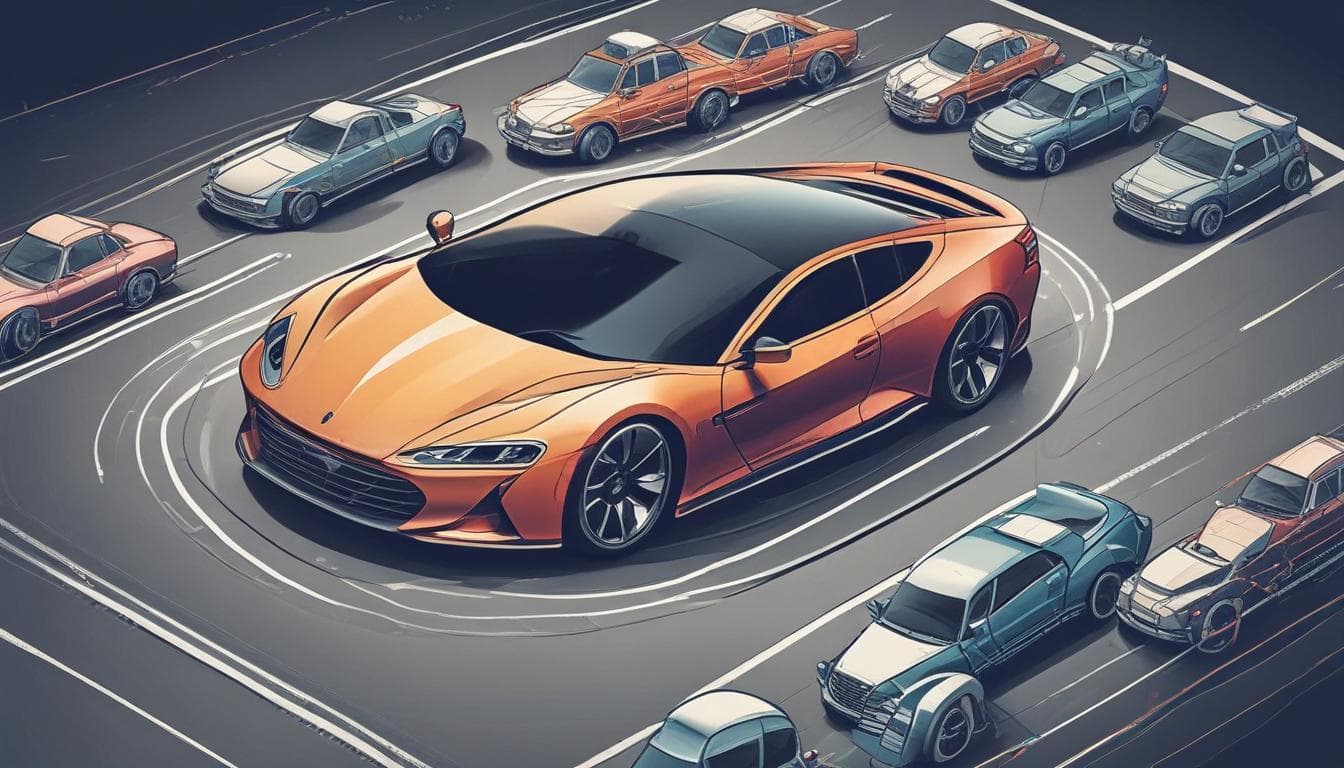
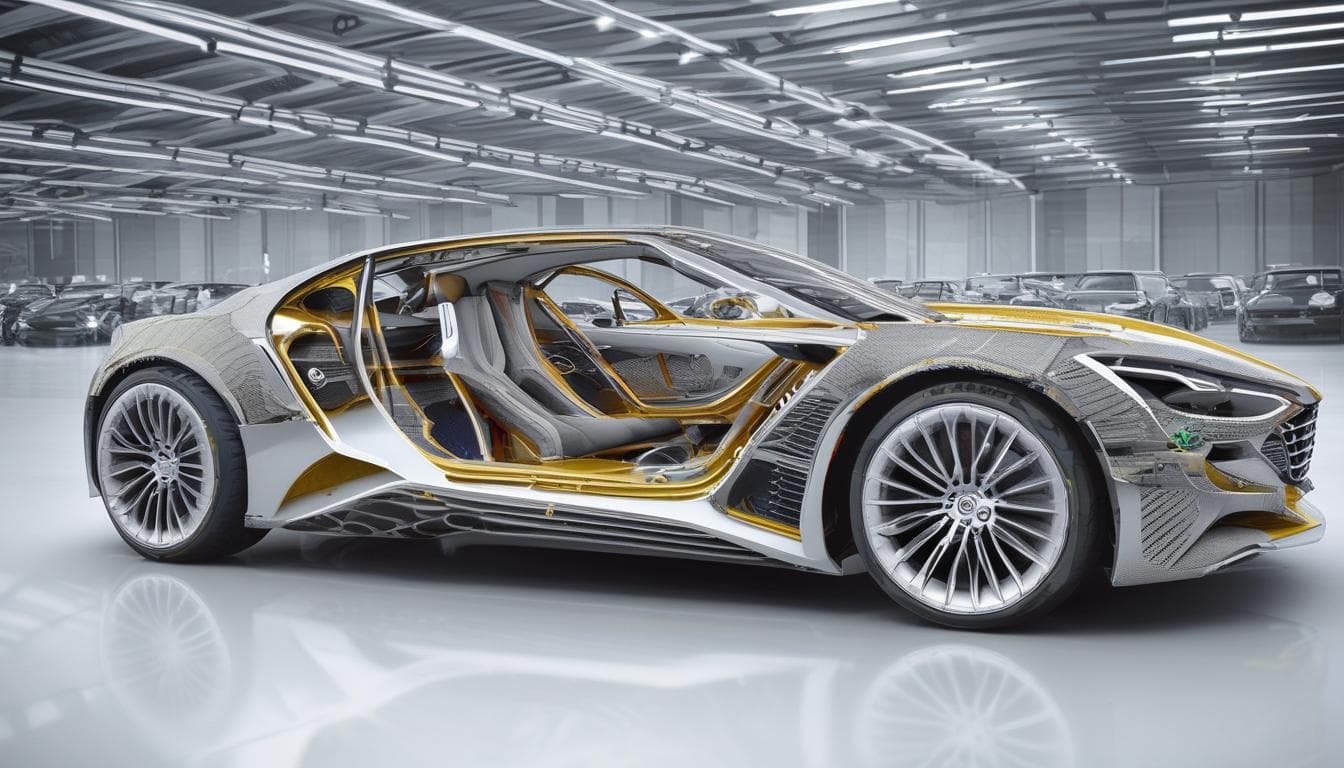
As technology enables hyper-specialization, imagine a future where cities are populated by a vast array of single-purpose autonomous vehicles – mobile napping pods, micro-cafes, personal gyms on wheels, ultra-secure data couriers. What are the profound societal, urban planning, and even psychological impacts of such extreme vehicular diversification and purpose-driven mobility, and how might this reshape our daily lives?
1 resposta•0 comentários
The vision of cities filled with highly specialized autonomous vehicles opens up an intriguing discussion on multiple fronts—from urban development to societal behavior. Here are some key considerations:
Societal Impacts
- Diversity of Experience: The presence of unique mobile spaces, like napping pods or micro-cafes, can redefine our interactions with the urban environment, offering convenience and enhancing urban life.
- Shifts in Employment: With vehicles taking on various functions, traditional jobs may evolve or diminish, leading to a new socio-economic landscape that will require workforce retraining and adaptation.
Urban Planning Considerations
- Space Utilization: Cities might need to redesign infrastructure to accommodate these specialized vehicles. For instance, dedicated lanes or charging stations for mobile fitness centers could emerge, impacting traffic flow and city layout significantly.
- Waste and Efficiency: Managing resources will be crucial. As autonomy improves, the need for vehicle ownership may decline, potentially reducing the environmental footprint of transportation and encouraging greener urban spaces. The implications of this shift are further explored in articles discussing sustainable practices in the automotive industry.
Psychological Effects
- Individualization of Mobility: As vehicles become extensions of personal space and functionality, they could lead to increased personalization in how we define our commutes, impacting mental well-being and our relationship with public space.
- Community Interaction: There's the potential for both increased isolation, as people engage more with their mobile environments, and enhanced community interaction through shared spaces like mobile markets.
Future Mobility Trends
To address how these mobile spaces might work together, we should consider advanced technologies that allow for seamless integration, such as Vehicle-to-Everything (V2X) communication. This can transform safety and efficiency on our streets as these diverse vehicles can share information, enhancing interaction between them and fixed infrastructures. Articles such as Driving Connected: Transforming Road Safety and Efficiency with V2X Communication provide great insights into this aspect.
Ultimately, the shift towards hyper-specialized vehicles presents exciting opportunities and challenges that will likely redefine urban living. As we embrace these innovations, it will be crucial to consider the social and psychological ramifications and strategize on how to create a harmonious urban ecosystem.
Explore mais sobre este tópico

Participe da conversa
- Carros em Harmonia com a Natureza: Preservação Ambiental no Brasil
Explore a fascinante ideia de carros que interagem com a natureza brasileira para preservação ambiental. Imagine veículos detectando incêndios na Amazônia, monitorando a qualidade do ar e auxiliando no reflorestamento. Discuta como alcançar essa simbiose entre tecnologia e meio ambiente, seus desafios e benefícios para o Brasil.
- Carros que conversam com a cidade: utopia ou futuro do trânsito brasileiro?
Imagine carros se comunicando com semáforos e sistemas de trânsito para otimizar o fluxo e reduzir congestionamentos. Explore os benefícios e desafios dessa integração na realidade brasileira, considerando investimentos em tecnologia e infraestrutura.
- IA ao volante: seu carro aprendendo seu estilo de direção em emergências
Imagine um futuro onde a IA permite que seu carro replique seu estilo de direção em situações de emergência. Quais as implicações éticas e de segurança? Como garantir a confiabilidade e a previsibilidade em momentos críticos? Discussão sobre o papel da IA na condução autônoma e seus desafios.