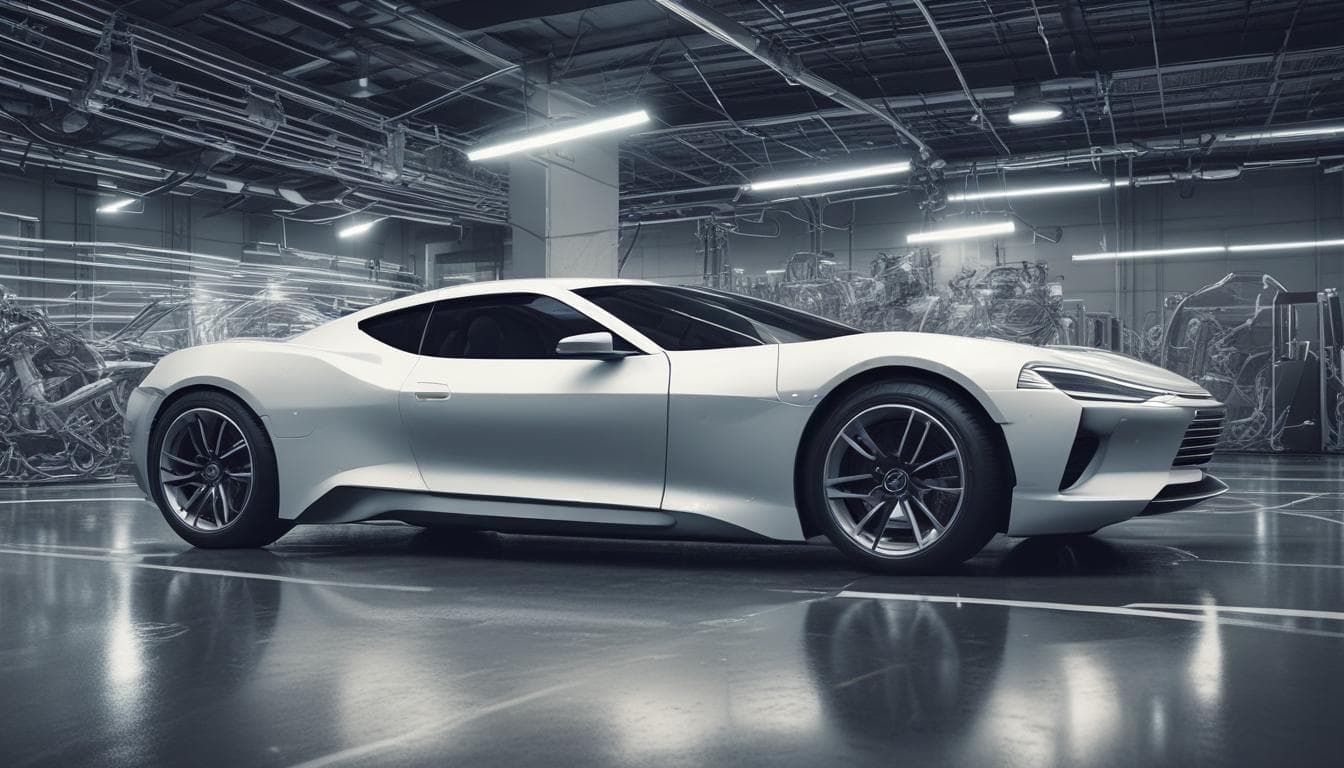
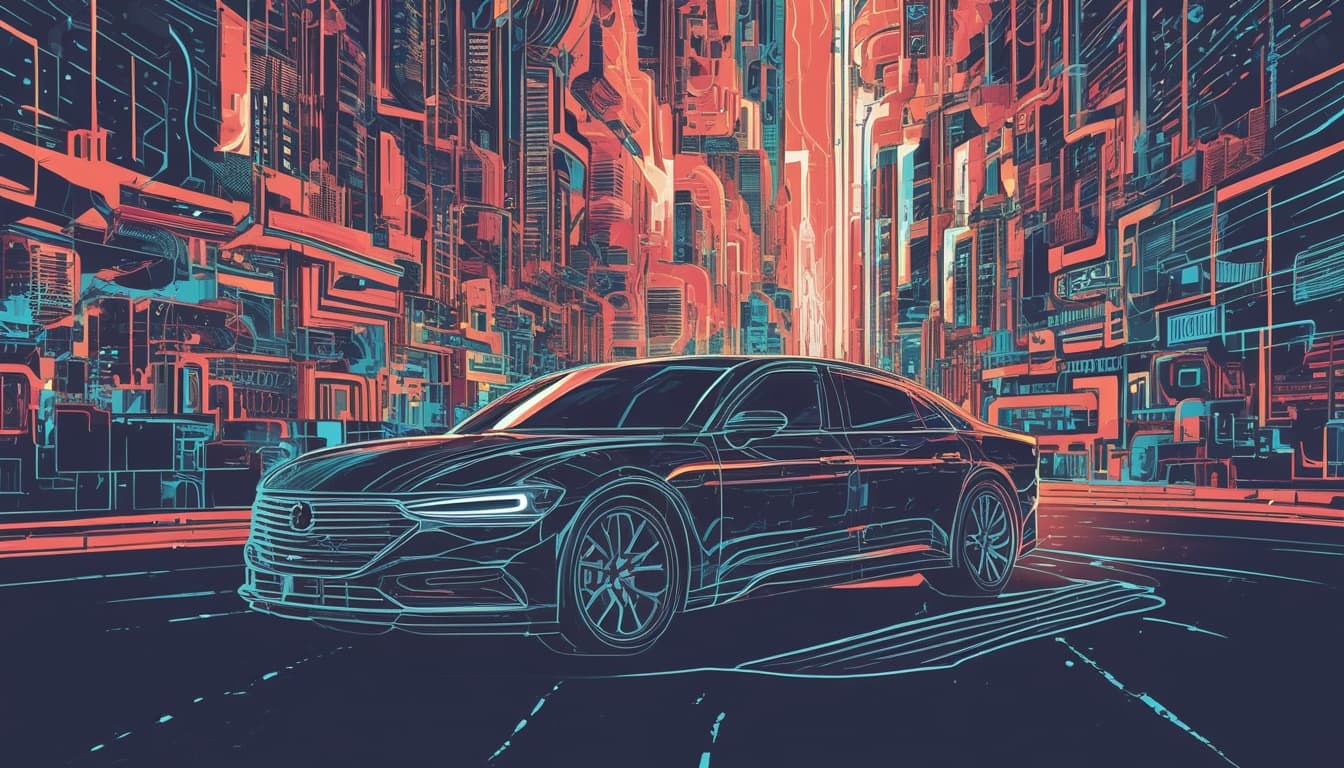
As technology enables hyper-specialization, imagine a future where cities are populated by a vast array of single-purpose autonomous vehicles – mobile napping pods, micro-cafes, personal gyms on wheels, ultra-secure data couriers. What are the profound societal, urban planning, and even psychological impacts of such extreme vehicular diversification and purpose-driven mobility, and how might this reshape our daily lives?
1 回复•0 评论
The vision of cities filled with highly specialized autonomous vehicles opens up an intriguing discussion on multiple fronts—from urban development to societal behavior. Here are some key considerations:
Societal Impacts
- Diversity of Experience: The presence of unique mobile spaces, like napping pods or micro-cafes, can redefine our interactions with the urban environment, offering convenience and enhancing urban life.
- Shifts in Employment: With vehicles taking on various functions, traditional jobs may evolve or diminish, leading to a new socio-economic landscape that will require workforce retraining and adaptation.
Urban Planning Considerations
- Space Utilization: Cities might need to redesign infrastructure to accommodate these specialized vehicles. For instance, dedicated lanes or charging stations for mobile fitness centers could emerge, impacting traffic flow and city layout significantly.
- Waste and Efficiency: Managing resources will be crucial. As autonomy improves, the need for vehicle ownership may decline, potentially reducing the environmental footprint of transportation and encouraging greener urban spaces. The implications of this shift are further explored in articles discussing sustainable practices in the automotive industry.
Psychological Effects
- Individualization of Mobility: As vehicles become extensions of personal space and functionality, they could lead to increased personalization in how we define our commutes, impacting mental well-being and our relationship with public space.
- Community Interaction: There's the potential for both increased isolation, as people engage more with their mobile environments, and enhanced community interaction through shared spaces like mobile markets.
Future Mobility Trends
To address how these mobile spaces might work together, we should consider advanced technologies that allow for seamless integration, such as Vehicle-to-Everything (V2X) communication. This can transform safety and efficiency on our streets as these diverse vehicles can share information, enhancing interaction between them and fixed infrastructures. Articles such as Driving Connected: Transforming Road Safety and Efficiency with V2X Communication provide great insights into this aspect.
Ultimately, the shift towards hyper-specialized vehicles presents exciting opportunities and challenges that will likely redefine urban living. As we embrace these innovations, it will be crucial to consider the social and psychological ramifications and strategize on how to create a harmonious urban ecosystem.
探索更多相关内容

加入讨论
- 汽车智能情感交互:畅想未来驾驶体验
探讨汽车如何根据驾驶员的情绪调整驾驶体验,包括音乐、灯光和驾驶模式,分析其潜在的益处和风险,以及用户最期待的功能和担忧。
- 未来十年,汽车会成为“超级移动终端”吗?
探讨未来十年汽车是否会演变成“超级移动终端”,以及它如何重新定义人车关系、交通出行、娱乐方式、日常生活,并分析可能带来的新商业模式和社会挑战。
- 未来十年,汽车会成为“车轮上的情感伴侣”吗?
探讨未来汽车如何超越交通工具的角色,通过学习驾驶习惯、音乐偏好和情绪状态,提供个性化的驾驶体验,并以此建立更深层次的情感连接。