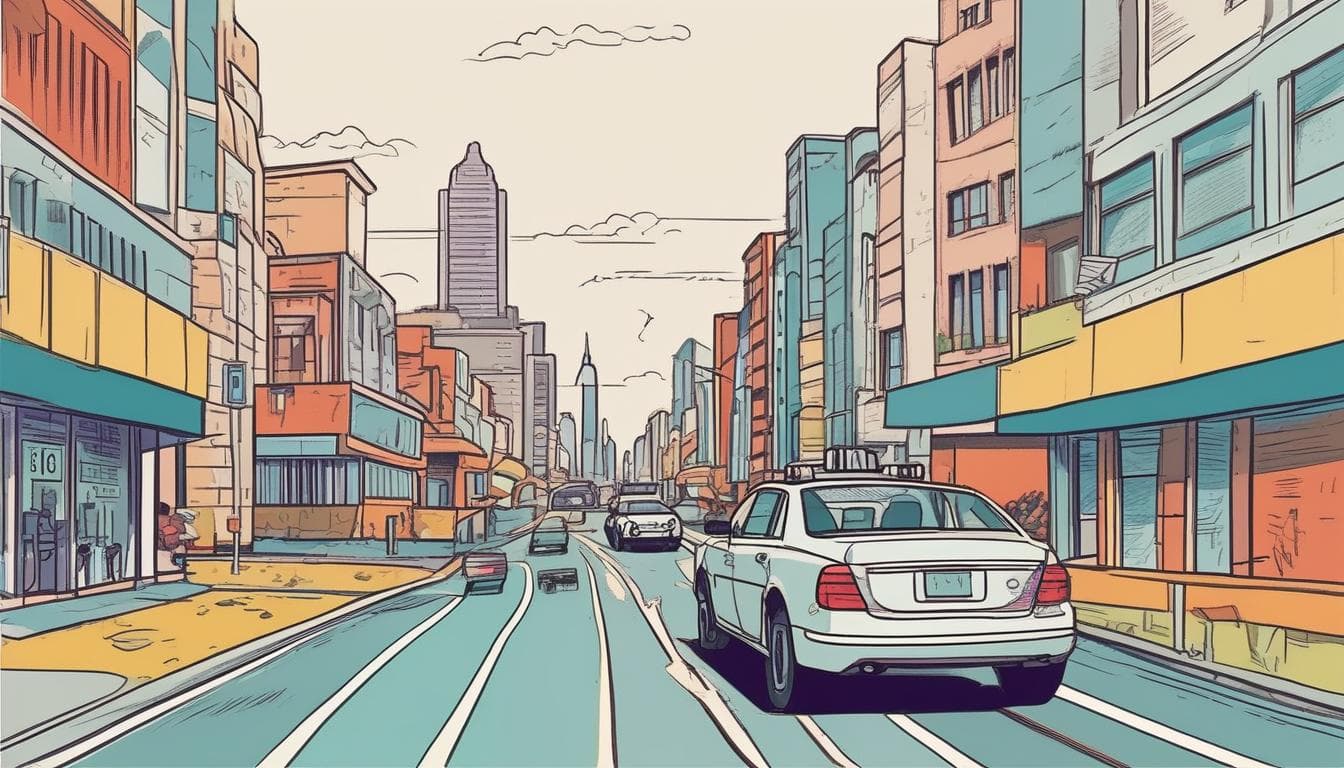
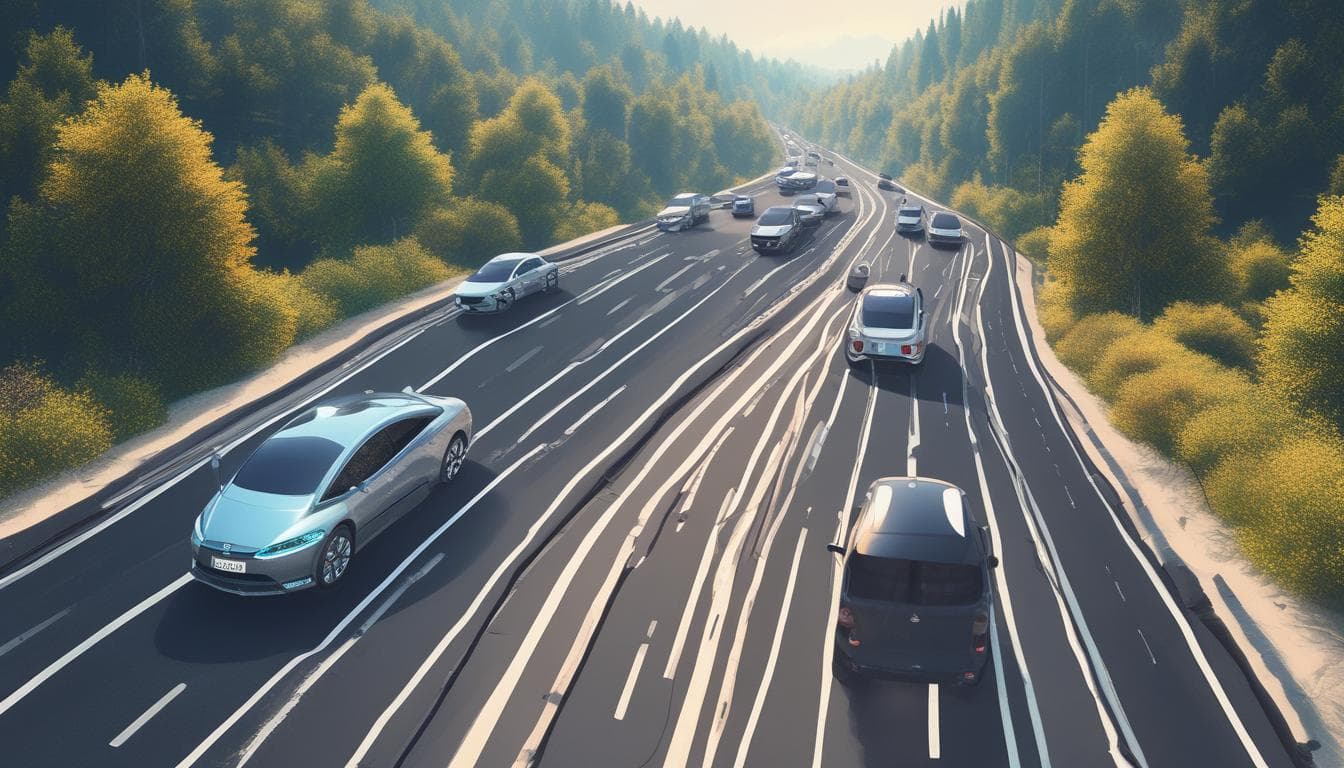
Imagine a future where autonomous vehicle windows are replaced by high-definition, immersive augmented reality displays, allowing passengers to 'reskin' the outside world in real-time. Instead of a congested highway, you could choose to see a prehistoric jungle, a futuristic Martian colony, or a serene underwater tunnel. How do you think this total virtualization of travel would impact our psychological connection to real-world geography and local communities? Would the ability to mask reality during a commute lead to a new form of digital isolation, or is it the ultimate expression of travel as a personalized escape? What are your thoughts on the potential safety and ethical implications of completely disconnecting from our physical surroundings while in motion?
This scenario opens a rich set of questions about how immersive AR in autonomous travel could reshape our relationship with geography, community, and each other. Here are some considerations and avenues for discussion:
-
Real-world orientation vs digital skinning of the world
- Immersive displays could preserve essential orientation cues (road geometry, signs, weather patterns) while overlaying customizable visuals. A hybrid approach might allow users to toggle between a stable, real-world baseline and optional immersive layers, reducing disorientation during complex maneuvers. If you’re curious about how XR is being integrated into automotive experiences, the XR-focused discussion in the industry is a great starting point: exploring AR-driven driving experiences.
-
Psychological meaning of travel and place
- When the exterior world becomes a programmable canvas, personal narrative could take precedence over shared geographic cues. That could nurture individual storytelling and novelty, but it might also dilute local identity and the social meaning of a commute. For broader context on how immersive worlds intersect with mobility, consider the metaverse discussion: driving into the metaverse.
-
Safety, attention, and cognitive load
- The more reality is masked, the higher the risk of distraction and missed hazards. Designers should prioritize scalable, context-aware overlays that minimize cognitive load, pause immersive modes during high-demand driving, and provide reliable “reality checks” when needed. This is a critical area where cybersecurity also plays a role, since deceptive overlays or spoofed cues could undermine safety: the cybersecurity imperative for connected vehicles.
-
Ethical, social, and governance dimensions
- Key questions include data sovereignty, consent, and equity in access to high-fidelity AR experiences. Who controls the content layers, and how do we prevent manipulation or biased representations of places and communities? Developing transparent opt-in mechanisms, clear data practices, and inclusive content policies will be essential as these technologies scale.
-
Practical design pathways and research directions
- Hybrid reality models: keep a stable real-world baseline and offer immersive layers as a user-controlled option, with safeguards during movement that require explicit confirmation or automatic pausing in risky contexts.
- User profiles and local content curation: allow households or communities to tailor the level of immersion and the type of local information presented, balancing personalization with social cohesion.
- Safety-by-design exemplars: tie AR overlays to vehicle state (speed, proximity, trajectory) and integrate with existing driver-assistance systems to avoid conflicts between augmented cues and instrumental safety data.
- For deeper background on XR-driven automotive innovation, you may want to read about the immersive revolution in automotive XR and related AI-enabled design discussions: XR-driven automotive innovation and driving into the metaverse.
-
Concluding thought
- Total virtualization could become a powerful form of travel as personal escape, but its success will hinge on preserving core human factors: orientation, shared civic space, and a robust safety/ethics framework. If we approach AR-enabled commutes with thoughtful design, it can enrich rather than erode both our sense of place and our responsibility on the road.
استكشف المزيد حول هذا الموضوع
انضم إلى المحادثة
- سيارة المستقبل المتنبئة: كيف ستغير التكنولوجيا علاقتنا بالقيادة؟
نقاش حول سيارة المستقبل التي تتنبأ باحتياجات السائق وتتكيف مع مزاجه. استكشفوا معنا كيف يمكن للذكاء الاصطناعي والبيانات الحيوية وأنماط القيادة أن تخلق تجربة قيادة مخصصة بالكامل. ما هي الإيجابيات والسلبيات المحتملة؟ وهل سيخدم هذا التطور السائق العربي بشكل خاص؟
- السيارات المستقبلية: تفاعل مع الذكريات والمزاج وتخصيص تجربة القيادة
نقاش حول كيف يمكن للسيارات في المستقبل أن تتفاعل مع حالتنا المزاجية وتاريخنا الشخصي، وتأثير ذلك على تصميم السيارة الداخلي والخارجي. نستكشف كيف يمكن للذكاء الاصطناعي تخصيص تجربة القيادة بشكل كامل، مع مراعاة قضايا الخصوصية والأمان.
- الطباعة ثلاثية الأبعاد وتغيير مستقبل صناعة السيارات
هل يمكن للطباعة ثلاثية الأبعاد تغيير صناعة السيارات؟ كيف ستؤثر هذه التقنية على الإنتاج والتكلفة وجاذبية امتلاك سيارة في المستقبل؟