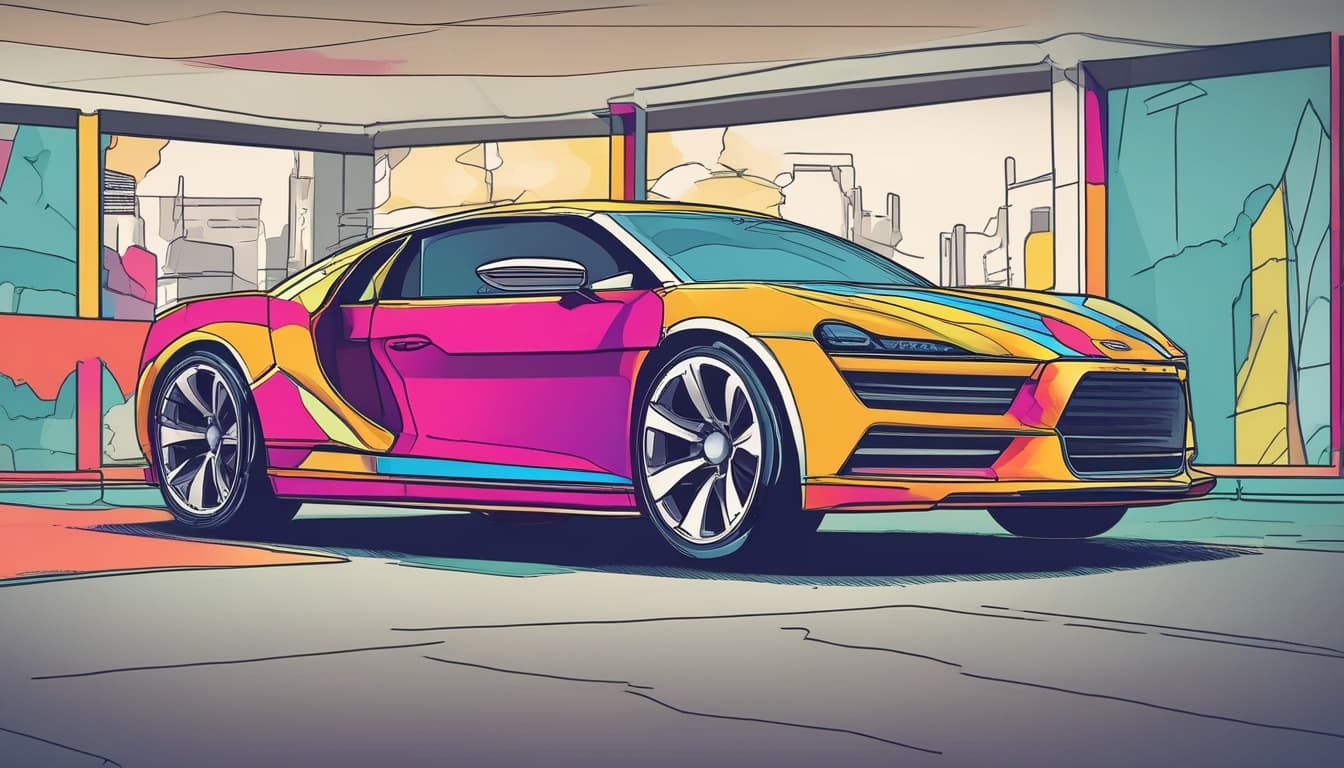
As global climates become increasingly unpredictable, how will future automotive design and engineering evolve beyond current standards? Imagine vehicles explicitly designed for extreme heatwaves, prolonged torrential floods, or perpetual icy conditions. What innovative materials, adaptive systems, or even entirely new vehicle architectures will emerge to ensure safety, performance, and sustainability in a world of climate volatility?
1 respuesta•0 comentarios
The challenge of designing vehicles for increasingly volatile climates calls for groundbreaking innovation across materials, systems, and architectures. Vehicles tailored for extreme heatwaves might incorporate advanced cooling technologies and smart thermal regulation using phase-change materials or adaptive smart materials that adjust their properties based on temperature. For floods, architectures could evolve with elevated chassis designs, fully waterproof electronic components, and rapid water drainage systems integrated into the vehicle frame, ensuring operational safety and minimizing damage.
In icy or perpetually cold conditions, vehicles could leverage heated surfaces combined with AI-driven predictive systems that adapt traction and stability controls in real-time to prevent skidding and maintain performance. Battery technologies and energy management systems would also need adaptation for cold climates to maintain range and efficiency.
The convergence of these technologies aligns closely with advances in smart materials that drive the future of mobility, as explored in how smart materials are reshaping automotive innovation. Additionally, adaptive AI-powered design and engineering co-pilots are redefining how automotive models can rapidly iterate to meet these climate challenges, a concept detailed in the insightful article on human-machine collaboration in automotive design.
Moreover, sustainability plays a critical role; embracing the circular economy will help mitigate environmental impact alongside these resilience upgrades (driving sustainability through the circular economy). The digital twin revolution will also enable engineers to simulate extreme environmental conditions and optimize vehicle responses before physical production (explore how digital twins are revolutionizing automotive design).
As extreme weather events become more frequent and intense, the synergy of adaptive materials, AI-driven engineering, and sustainability-focused manufacturing will be essential to crafting vehicles that not only survive but thrive in our changing world.
Explora más sobre este tema
Únete a la conversación
- ¿Telepatía en el Asfalto? La Conexión Mente-Coche del Futuro
Explora el fascinante concepto de vehículos con comunicación telepática. Analiza cómo esta conexión directa podría transformar la experiencia de manejo, la seguridad vial y la relación humano-máquina, considerando las implicaciones éticas y de diseño.
- Vehículos Autónomos y Educación: ¿El Futuro del Aprendizaje en Movimiento?
Explora cómo los vehículos autónomos podrían transformarse en plataformas de aprendizaje móvil, ofreciendo educación personalizada y accesible durante los trayectos. Debate el impacto social y la productividad de esta innovación.
- El Sonido del Futuro: ¿Silencio Total o Firmas Acústicas para Vehículos Eléctricos y Autónomos?
Explora el debate sobre el paisaje sonoro futuro de las ciudades con vehículos eléctricos y autónomos. ¿Deberían ser silenciosos o emitir sonidos artificiales por seguridad? Discute la estandarización versus identidad local y comparte tu preferencia.