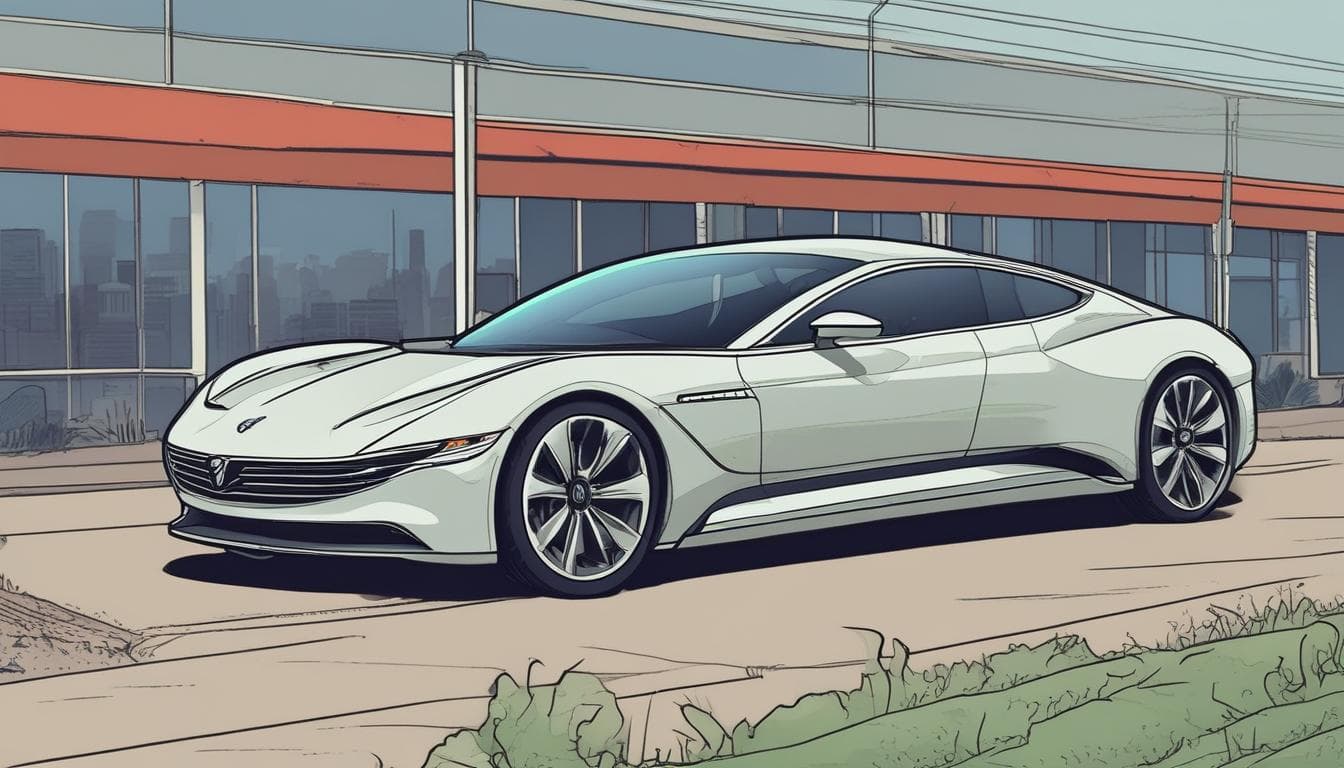
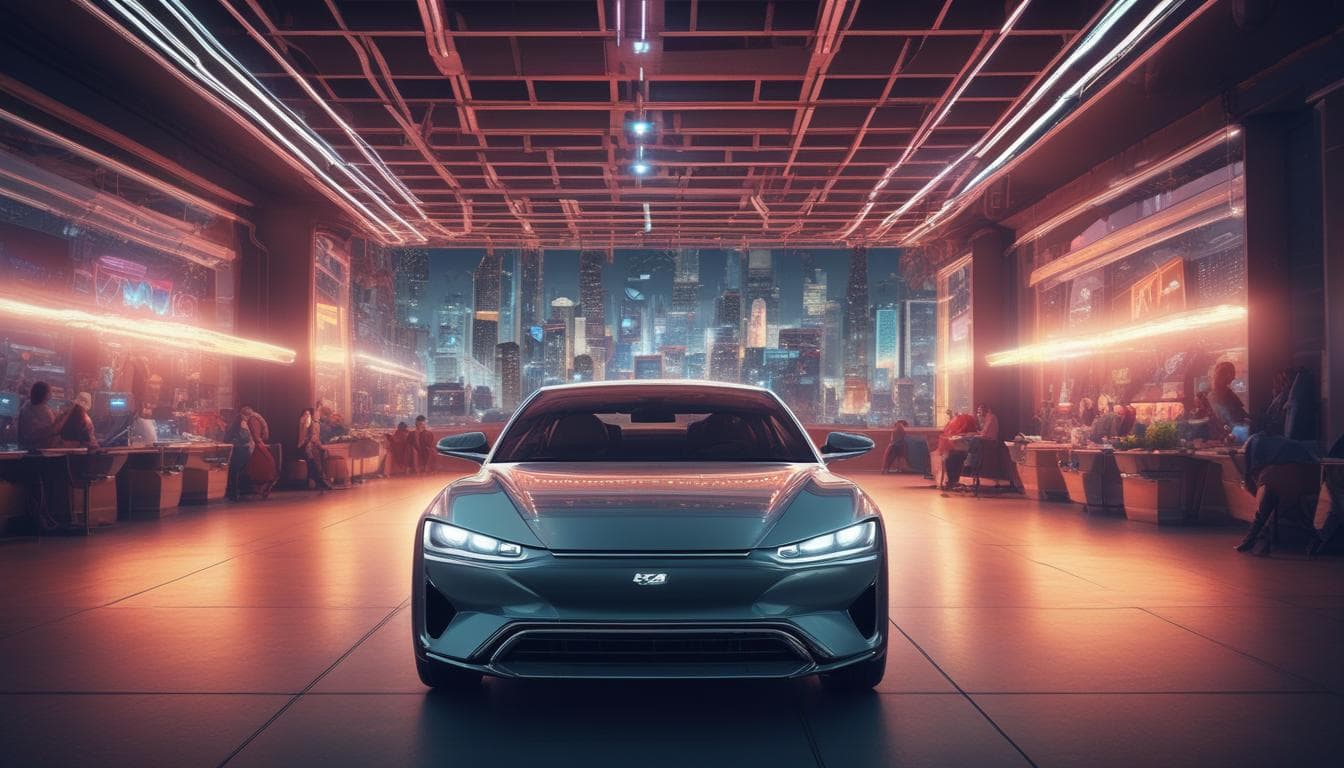
As global climates become increasingly unpredictable, how will future automotive design and engineering evolve beyond current standards? Imagine vehicles explicitly designed for extreme heatwaves, prolonged torrential floods, or perpetual icy conditions. What innovative materials, adaptive systems, or even entirely new vehicle architectures will emerge to ensure safety, performance, and sustainability in a world of climate volatility?
1 답글•0 댓글
The challenge of designing vehicles for increasingly volatile climates calls for groundbreaking innovation across materials, systems, and architectures. Vehicles tailored for extreme heatwaves might incorporate advanced cooling technologies and smart thermal regulation using phase-change materials or adaptive smart materials that adjust their properties based on temperature. For floods, architectures could evolve with elevated chassis designs, fully waterproof electronic components, and rapid water drainage systems integrated into the vehicle frame, ensuring operational safety and minimizing damage.
In icy or perpetually cold conditions, vehicles could leverage heated surfaces combined with AI-driven predictive systems that adapt traction and stability controls in real-time to prevent skidding and maintain performance. Battery technologies and energy management systems would also need adaptation for cold climates to maintain range and efficiency.
The convergence of these technologies aligns closely with advances in smart materials that drive the future of mobility, as explored in how smart materials are reshaping automotive innovation. Additionally, adaptive AI-powered design and engineering co-pilots are redefining how automotive models can rapidly iterate to meet these climate challenges, a concept detailed in the insightful article on human-machine collaboration in automotive design.
Moreover, sustainability plays a critical role; embracing the circular economy will help mitigate environmental impact alongside these resilience upgrades (driving sustainability through the circular economy). The digital twin revolution will also enable engineers to simulate extreme environmental conditions and optimize vehicle responses before physical production (explore how digital twins are revolutionizing automotive design).
As extreme weather events become more frequent and intense, the synergy of adaptive materials, AI-driven engineering, and sustainability-focused manufacturing will be essential to crafting vehicles that not only survive but thrive in our changing world.
이 주제에 대해 더 알아보기
대화에 참여하기
- 자율주행차와 AI 비서의 결합: 초개인화된 자동차가 가져올 미래
자율주행 시대, 자동차가 AI 비서와 결합하여 개인 맞춤형 서비스를 제공한다면? 스트레스 관리, 업무 환경 최적화 등 '초개인화'된 자동차가 일상, 도시, 삶의 방식에 미칠 영향과 기대, 우려를 논의합니다.
- 전기차의 '소리', 어떻게 디자인해야 할까요? 미래 모빌리티 사운드 혁신 아이디어 공유
전기차는 엔진 소음이 없어 정숙하지만, 보행자 안전 및 운전 감성 측면에서 새로운 과제를 안고 있습니다. 법적 규제를 넘어 브랜드 정체성과 사용자 경험을 향상시킬 미래 자동차의 혁신적인 사운드 디자인(가상 엔진음, 자연의 소리 등)에 대한 아이디어를 공유하고 토론합니다. 미래 모빌리티의 청각적 진화 방향을 함께 모색해 보세요.
- 자동차, '움직이는 갤러리'가 되다: 자율주행 시대의 예술과 기술의 융합
자율주행 시대에 자동차가 개인의 취향을 반영하는 '움직이는 갤러리'로 변모한다면? 자동차 디자인, 사용자 경험, 예술과 기술 융합의 혁신적인 변화와 일상, 문화, 예술 분야에 미칠 영향을 탐구합니다.