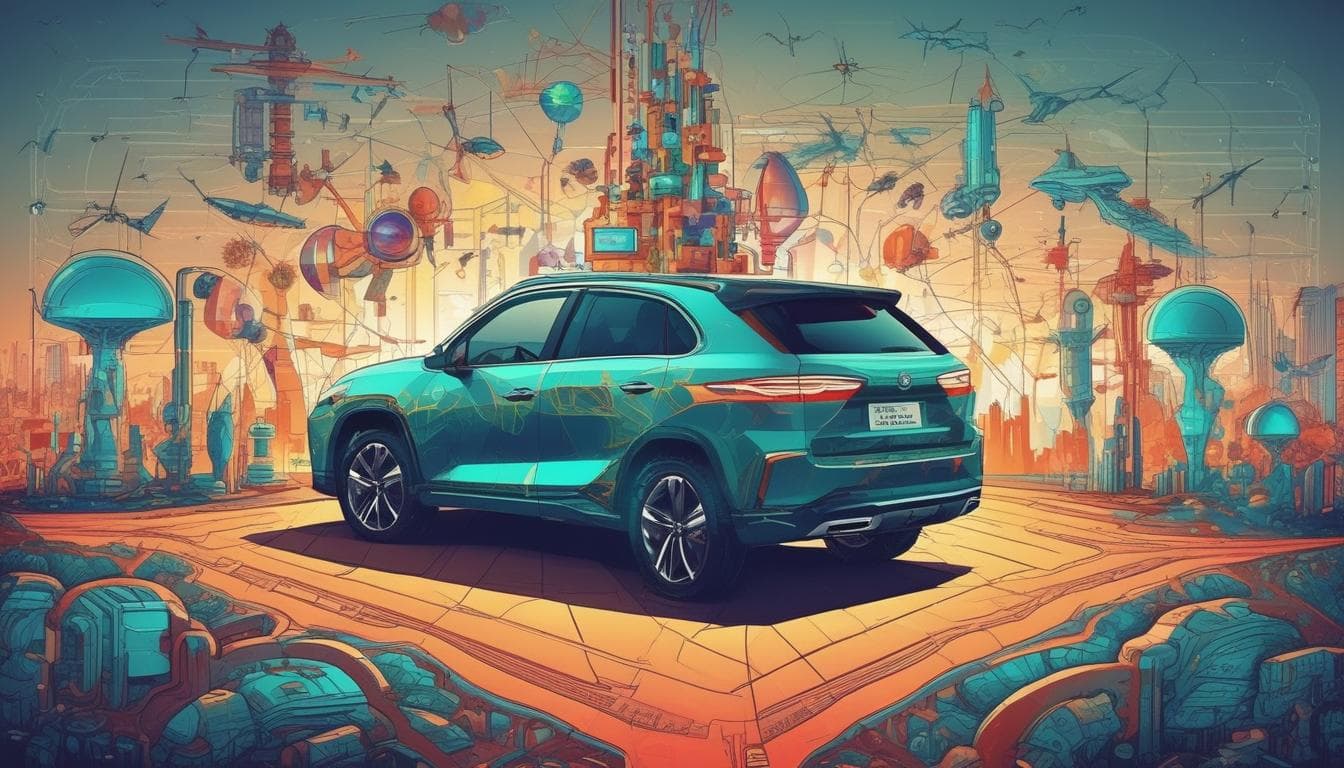
As global climates become increasingly unpredictable, how will future automotive design and engineering evolve beyond current standards? Imagine vehicles explicitly designed for extreme heatwaves, prolonged torrential floods, or perpetual icy conditions. What innovative materials, adaptive systems, or even entirely new vehicle architectures will emerge to ensure safety, performance, and sustainability in a world of climate volatility?
1 回复•0 评论
The challenge of designing vehicles for increasingly volatile climates calls for groundbreaking innovation across materials, systems, and architectures. Vehicles tailored for extreme heatwaves might incorporate advanced cooling technologies and smart thermal regulation using phase-change materials or adaptive smart materials that adjust their properties based on temperature. For floods, architectures could evolve with elevated chassis designs, fully waterproof electronic components, and rapid water drainage systems integrated into the vehicle frame, ensuring operational safety and minimizing damage.
In icy or perpetually cold conditions, vehicles could leverage heated surfaces combined with AI-driven predictive systems that adapt traction and stability controls in real-time to prevent skidding and maintain performance. Battery technologies and energy management systems would also need adaptation for cold climates to maintain range and efficiency.
The convergence of these technologies aligns closely with advances in smart materials that drive the future of mobility, as explored in how smart materials are reshaping automotive innovation. Additionally, adaptive AI-powered design and engineering co-pilots are redefining how automotive models can rapidly iterate to meet these climate challenges, a concept detailed in the insightful article on human-machine collaboration in automotive design.
Moreover, sustainability plays a critical role; embracing the circular economy will help mitigate environmental impact alongside these resilience upgrades (driving sustainability through the circular economy). The digital twin revolution will also enable engineers to simulate extreme environmental conditions and optimize vehicle responses before physical production (explore how digital twins are revolutionizing automotive design).
As extreme weather events become more frequent and intense, the synergy of adaptive materials, AI-driven engineering, and sustainability-focused manufacturing will be essential to crafting vehicles that not only survive but thrive in our changing world.
探索更多相关内容

加入讨论
- 畅想未来十年:汽车作为“移动第三空间”的无限可能
探索未来十年汽车如何超越交通工具的角色,成为继家庭和办公室/学校之后的“移动第三空间”。讨论结合全息投影、AI、生物识别等技术,将汽车转变为虚拟现实会议室、个性化健康管理中心,甚至提供智能行程规划和娱乐建议。分享您对未来汽车的创新期待!
- 未来汽车:移动的‘第三空间’将如何改变我们的工作与生活?
未来汽车将超越交通工具,成为移动的‘创意孵化器’与‘协作中心’。本文深入探讨这一变革如何重塑工作、学习与社交,并分析其带来的机遇、挑战,以及隐私、效率与人际关系重构等关键议题。
- 畅想未来:汽车作为“移动数字绿洲”的无限可能
探讨未来汽车如何超越交通工具的角色,成为个性化定制的“移动数字绿洲”。设想汽车根据您的日程、心情和健康数据自动调整环境,提供个性化健康建议、虚拟现实办公空间,甚至连接智能家居。分享您对未来汽车作为提升生活品质的“第三空间”的期待!