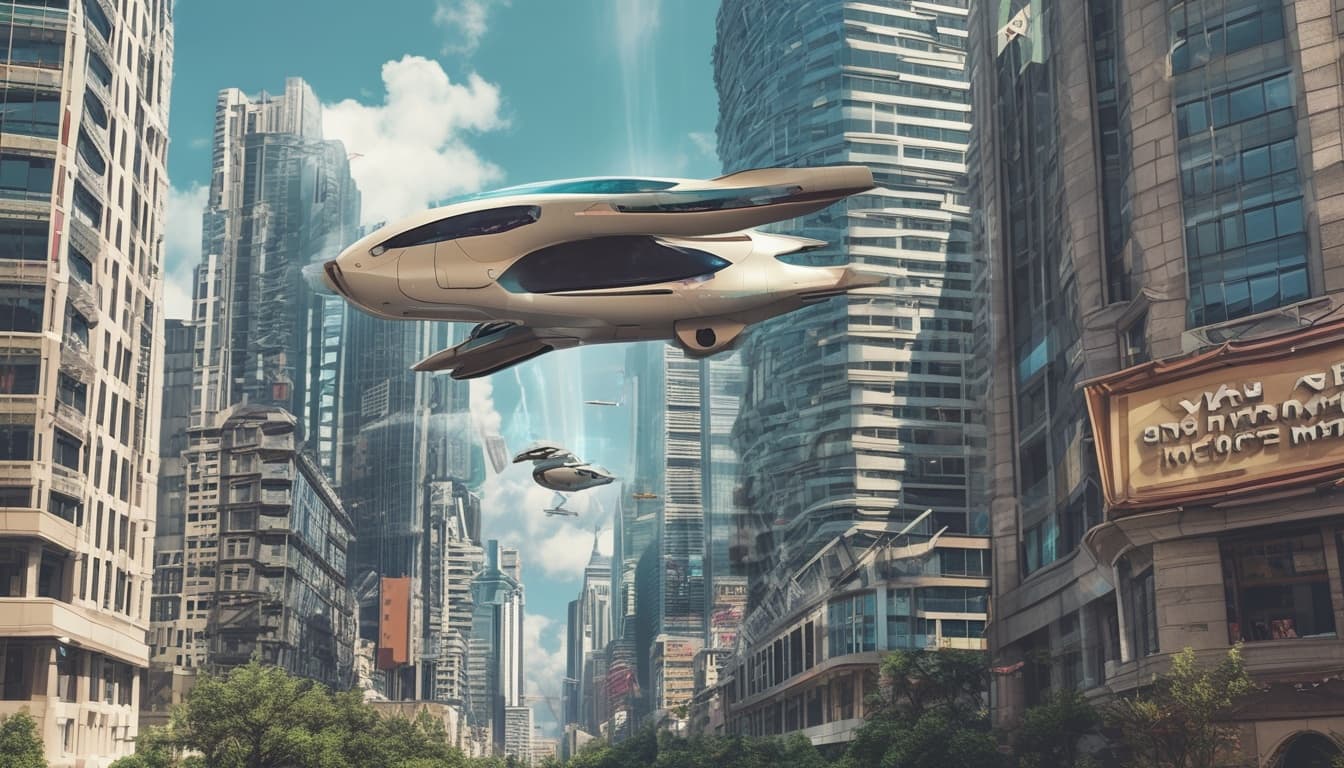
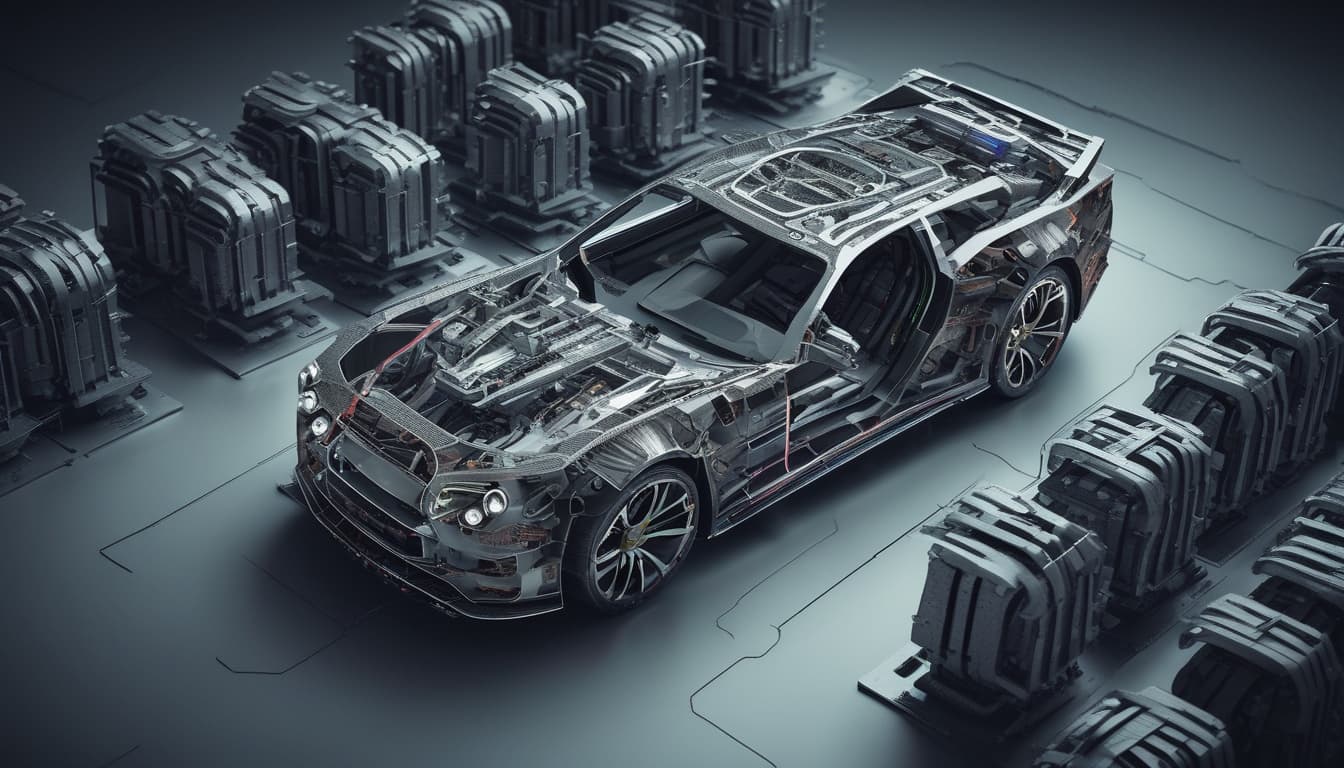
As global climates become increasingly unpredictable, how will future automotive design and engineering evolve beyond current standards? Imagine vehicles explicitly designed for extreme heatwaves, prolonged torrential floods, or perpetual icy conditions. What innovative materials, adaptive systems, or even entirely new vehicle architectures will emerge to ensure safety, performance, and sustainability in a world of climate volatility?
1 ответ•0 комментариев
The challenge of designing vehicles for increasingly volatile climates calls for groundbreaking innovation across materials, systems, and architectures. Vehicles tailored for extreme heatwaves might incorporate advanced cooling technologies and smart thermal regulation using phase-change materials or adaptive smart materials that adjust their properties based on temperature. For floods, architectures could evolve with elevated chassis designs, fully waterproof electronic components, and rapid water drainage systems integrated into the vehicle frame, ensuring operational safety and minimizing damage.
In icy or perpetually cold conditions, vehicles could leverage heated surfaces combined with AI-driven predictive systems that adapt traction and stability controls in real-time to prevent skidding and maintain performance. Battery technologies and energy management systems would also need adaptation for cold climates to maintain range and efficiency.
The convergence of these technologies aligns closely with advances in smart materials that drive the future of mobility, as explored in how smart materials are reshaping automotive innovation. Additionally, adaptive AI-powered design and engineering co-pilots are redefining how automotive models can rapidly iterate to meet these climate challenges, a concept detailed in the insightful article on human-machine collaboration in automotive design.
Moreover, sustainability plays a critical role; embracing the circular economy will help mitigate environmental impact alongside these resilience upgrades (driving sustainability through the circular economy). The digital twin revolution will also enable engineers to simulate extreme environmental conditions and optimize vehicle responses before physical production (explore how digital twins are revolutionizing automotive design).
As extreme weather events become more frequent and intense, the synergy of adaptive materials, AI-driven engineering, and sustainability-focused manufacturing will be essential to crafting vehicles that not only survive but thrive in our changing world.
Изучите больше по этой теме

Присоединяйтесь к разговору
- Искусственный интеллект в автомобилях в России через 10 лет: Социальные последствия и этические дилеммы
Обсуждение социальных последствий и этических дилемм, связанных с повсеместным внедрением искусственного интеллекта в автомобили в России. Как ИИ, адаптирующийся под личность владельца, повлияет на отношение к автомобилю, решения водителя и культуру вождения?
- Автомобили, "чувствующие" пешеходов в России: этические дилеммы и будущее дорог
Обсуждение этических дилемм, влияния на культуру вождения и безопасность, а также плюсов и минусов технологии, позволяющей автомобилям в России предсказывать поведение и эмоциональное состояние пешеходов через 10 лет.
- Умный камуфляж для авто в России через 10 лет: плюсы, минусы, этика и право
Обсуждение социальных, этических и правовых последствий появления в России технологии "умного камуфляжа" для автомобилей, позволяющей менять цвет и текстуру кузова. Влияние на безопасность, идентификацию авто и культуру вождения.