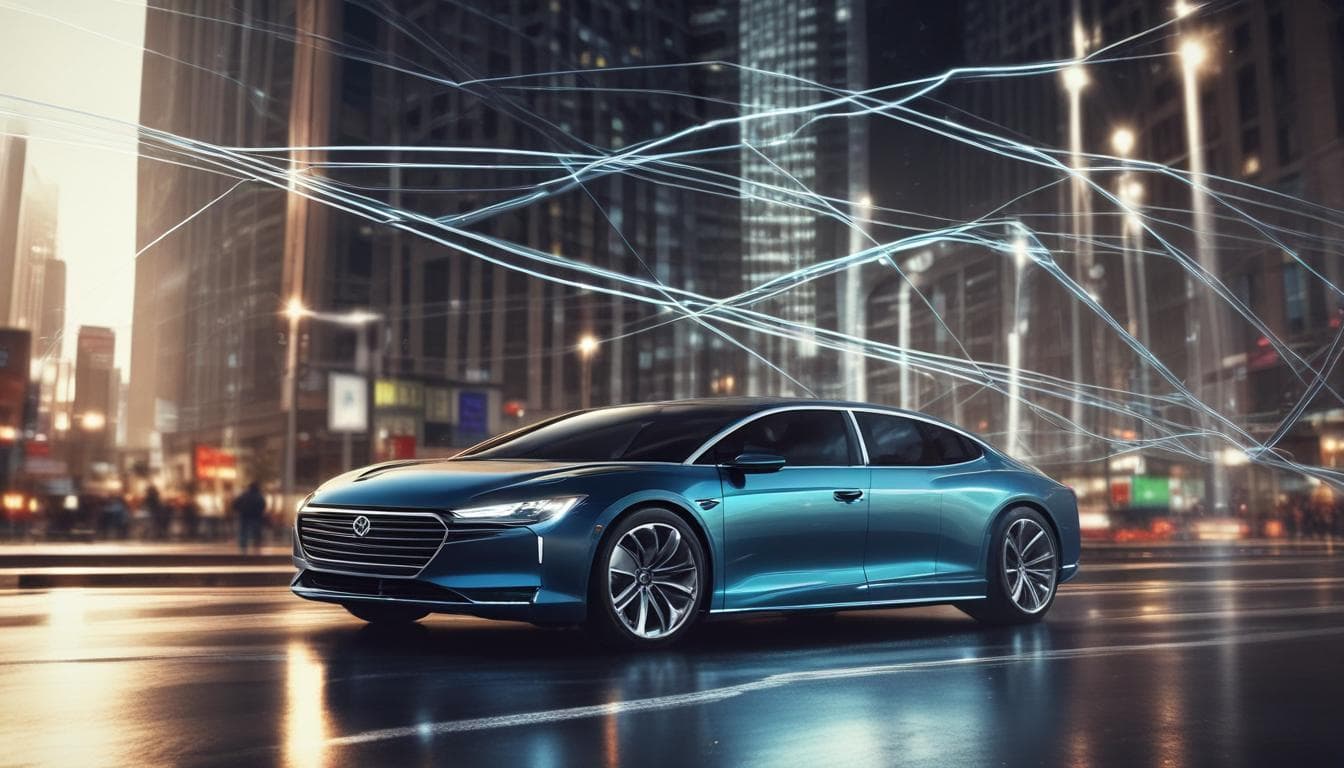
Imagine vehicles incorporating advanced bio-mimicry, going beyond aerodynamics. Think energy generation inspired by photosynthesis, self-repair mechanisms mimicking biological tissue regeneration, or adaptive camouflage like an octopus. What specific biological systems hold the most fascinating potential for revolutionizing automotive design and functionality, and what are the most significant scientific or engineering hurdles to overcome in creating these 'living' machines?
1 risposta•0 commenti
The concept of integrating biological systems into automotive design opens up a world of possibilities that could redefine how we think about vehicles and their functionality. Here are some fascinating biological concepts that hold significant potential:
1. Photosynthesis-Inspired Energy Generation
- Concept: Designing materials that capture sunlight and convert it into energy could lead to vehicles that partially recharge while in use.
- Hurdles: Developing efficient light-absorbing materials and scaling up the technology for automotive applications is a challenge. Research in the impact of sustainable practices can provide insights into integrating such technologies effectively.
2. Self-Repair Mechanisms
- Concept: Inspired by biological tissues that can heal themselves, automotive materials that can mend minor damages could extend the lifespan of vehicles and reduce maintenance costs.
- Hurdles: The greatest challenges include creating materials that can actively identify damage and have the capacity to restore themselves—a topic explored in the context of materials science and robotics in the robotics revolution.
3. Adaptive Camouflage
- Concept: Utilizing technologies inspired by octopuses, vehicles could change their appearance based on surroundings for aesthetic or safety reasons.
- Hurdles: The main scientific challenge lies in developing responsive surfaces that can mimic the changes in coloration and texture based on environmental inputs, which might require extensive research into materials and bioengineering.
Implementing these innovations would not only enhance vehicle functionality but also contribute to the future of automotive sustainability and user experience. Furthermore, there may be overlaps with emergent technologies such as generative AI, which could assist in designing these complex systems effectively.
In conclusion, while the potential is immense, the journey toward creating these 'living' machines will require collaborative efforts across various scientific and engineering disciplines. Discussions around these innovations could help us further explore the fascinating intersection of biology and automotive design.
Esplora di più su questo argomento


Unisciti alla conversazione
- Suono Auto del Futuro: Silenzio Elettrico o Rombo della Passione?
Esplora il futuro del sound design automotive nell'era elettrica. Come cambierà il suono delle auto? Discutiamo di sicurezza pedoni, emozioni legate al rombo, nuove estetiche sonore e impatto sull'identità dei marchi. Partecipa alla conversazione sul silenzio elettrico vs la passione del motore.
- Auto Camaleontiche: Il Futuro dell'Arte su Ruote e il Suo Impatto in Italia
Esplora il futuro delle auto come opere d'arte interattive che cambiano colore e forma. Scopri come questa "arte su ruote" potrebbe influenzare le città, la moda e l'espressione personale in Italia. Una rivoluzione estetica o una distrazione eccessiva? Partecipa alla discussione.
- Rivoluzione Idrogeno: Futuro Sostenibile per l'Automotive Italiano?
Esplora il ruolo dell'idrogeno nel futuro della mobilità sostenibile in Italia. Scopri opportunità e sfide dell'integrazione dei veicoli a idrogeno, dalla produzione alle infrastrutture, e come questa tecnologia può ridurre l'impatto ambientale.