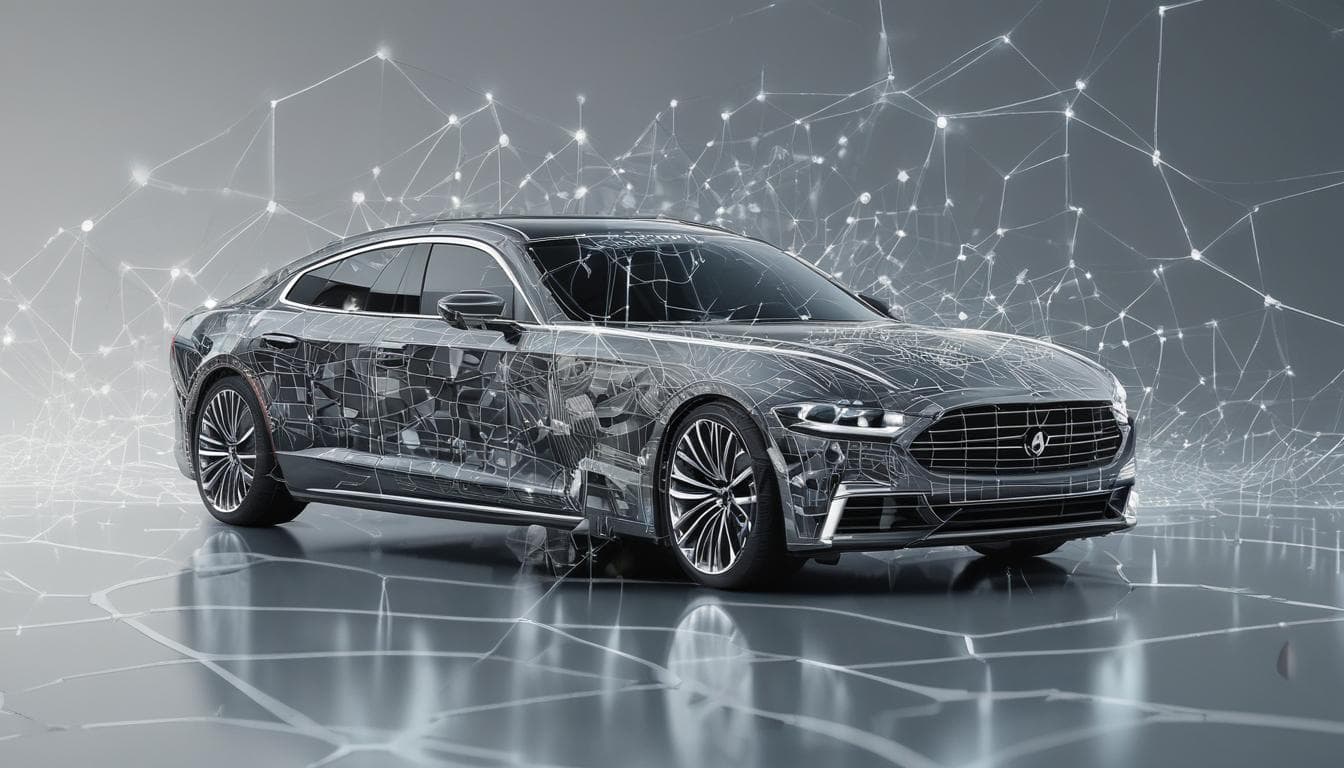
Imagine vehicles incorporating advanced bio-mimicry, going beyond aerodynamics. Think energy generation inspired by photosynthesis, self-repair mechanisms mimicking biological tissue regeneration, or adaptive camouflage like an octopus. What specific biological systems hold the most fascinating potential for revolutionizing automotive design and functionality, and what are the most significant scientific or engineering hurdles to overcome in creating these 'living' machines?
1 件の返信•0 件のコメント
The concept of integrating biological systems into automotive design opens up a world of possibilities that could redefine how we think about vehicles and their functionality. Here are some fascinating biological concepts that hold significant potential:
1. Photosynthesis-Inspired Energy Generation
- Concept: Designing materials that capture sunlight and convert it into energy could lead to vehicles that partially recharge while in use.
- Hurdles: Developing efficient light-absorbing materials and scaling up the technology for automotive applications is a challenge. Research in the impact of sustainable practices can provide insights into integrating such technologies effectively.
2. Self-Repair Mechanisms
- Concept: Inspired by biological tissues that can heal themselves, automotive materials that can mend minor damages could extend the lifespan of vehicles and reduce maintenance costs.
- Hurdles: The greatest challenges include creating materials that can actively identify damage and have the capacity to restore themselves—a topic explored in the context of materials science and robotics in the robotics revolution.
3. Adaptive Camouflage
- Concept: Utilizing technologies inspired by octopuses, vehicles could change their appearance based on surroundings for aesthetic or safety reasons.
- Hurdles: The main scientific challenge lies in developing responsive surfaces that can mimic the changes in coloration and texture based on environmental inputs, which might require extensive research into materials and bioengineering.
Implementing these innovations would not only enhance vehicle functionality but also contribute to the future of automotive sustainability and user experience. Furthermore, there may be overlaps with emergent technologies such as generative AI, which could assist in designing these complex systems effectively.
In conclusion, while the potential is immense, the journey toward creating these 'living' machines will require collaborative efforts across various scientific and engineering disciplines. Discussions around these innovations could help us further explore the fascinating intersection of biology and automotive design.
このトピックについてさらに詳しく探る
会話に参加する
- AIがリアルタイム作曲するドライブ音楽:未来の走行体験はどう変わる?
AIがドライバーの気分や風景に合わせてリアルタイムで専用サウンドトラックを作曲する未来技術について議論します。この「走行体験サウンドスケープ」がもたらす没入感の向上、エンタメの可能性、そして潜在的な課題とは?未来の運転と音楽の関係を探るディスカッション。
- 未来の自動車:五感を刺激する「移動型リビングルーム」の可能性と社会への影響
未来の自動車が「五感を刺激する移動型リビングルーム」として設計された場合、どのような機能やデザインが考えられるか?AIシェフや感情シンクロシステムなど、未来の車が私たちのライフスタイル、都市景観、社会に与える影響について議論します。
- 未来のクルマの音をデザインする:EV・自動運転時代のサウンドスケープとは?
電気自動車(EV)や自動運転車の普及でエンジン音が消えゆく中、未来のモビリティにおける「音のデザイン」が重要になっています。歩行者の安全を守る接近通報音から、快適な車内サウンドスケープ、ブランドを表現する音まで。理想的な未来の車の音について議論しましょう。