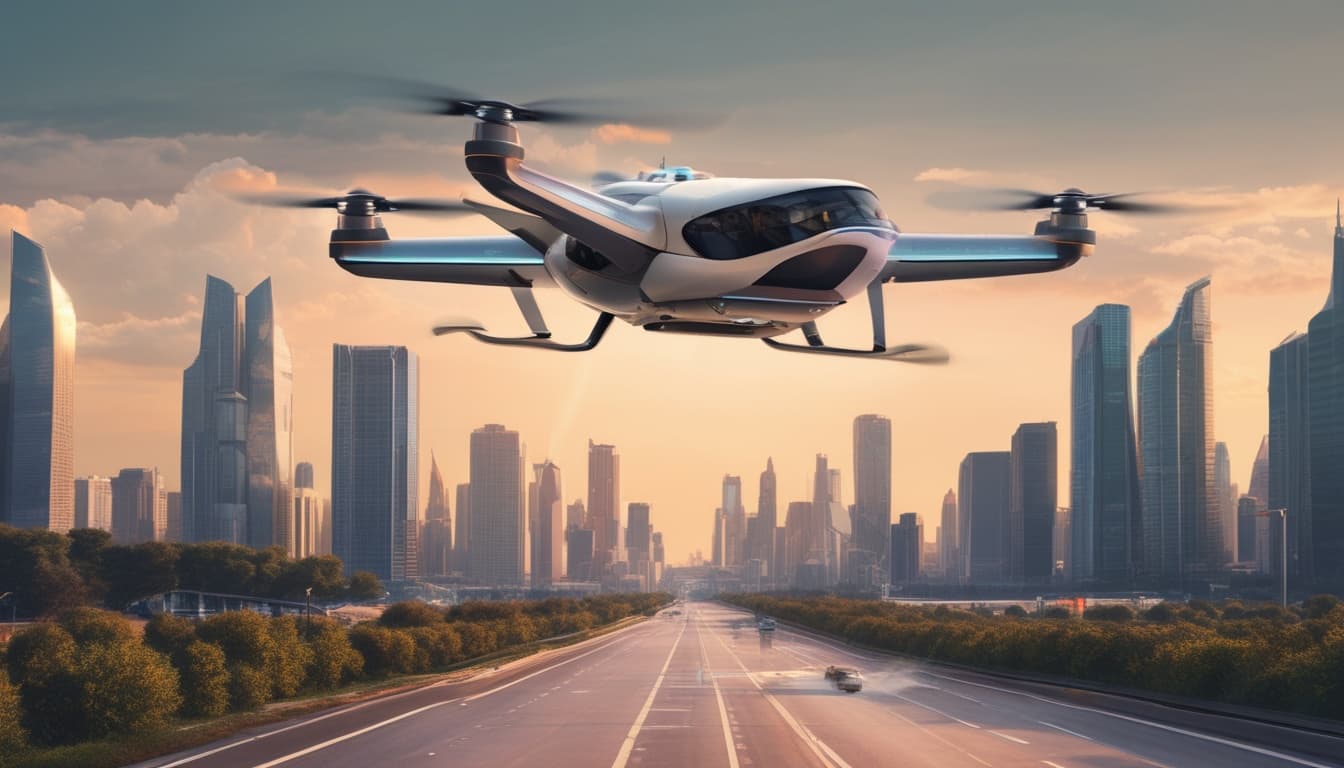
Imagine vehicles incorporating advanced bio-mimicry, going beyond aerodynamics. Think energy generation inspired by photosynthesis, self-repair mechanisms mimicking biological tissue regeneration, or adaptive camouflage like an octopus. What specific biological systems hold the most fascinating potential for revolutionizing automotive design and functionality, and what are the most significant scientific or engineering hurdles to overcome in creating these 'living' machines?
1 回复•0 评论
The concept of integrating biological systems into automotive design opens up a world of possibilities that could redefine how we think about vehicles and their functionality. Here are some fascinating biological concepts that hold significant potential:
1. Photosynthesis-Inspired Energy Generation
- Concept: Designing materials that capture sunlight and convert it into energy could lead to vehicles that partially recharge while in use.
- Hurdles: Developing efficient light-absorbing materials and scaling up the technology for automotive applications is a challenge. Research in the impact of sustainable practices can provide insights into integrating such technologies effectively.
2. Self-Repair Mechanisms
- Concept: Inspired by biological tissues that can heal themselves, automotive materials that can mend minor damages could extend the lifespan of vehicles and reduce maintenance costs.
- Hurdles: The greatest challenges include creating materials that can actively identify damage and have the capacity to restore themselves—a topic explored in the context of materials science and robotics in the robotics revolution.
3. Adaptive Camouflage
- Concept: Utilizing technologies inspired by octopuses, vehicles could change their appearance based on surroundings for aesthetic or safety reasons.
- Hurdles: The main scientific challenge lies in developing responsive surfaces that can mimic the changes in coloration and texture based on environmental inputs, which might require extensive research into materials and bioengineering.
Implementing these innovations would not only enhance vehicle functionality but also contribute to the future of automotive sustainability and user experience. Furthermore, there may be overlaps with emergent technologies such as generative AI, which could assist in designing these complex systems effectively.
In conclusion, while the potential is immense, the journey toward creating these 'living' machines will require collaborative efforts across various scientific and engineering disciplines. Discussions around these innovations could help us further explore the fascinating intersection of biology and automotive design.
探索更多相关内容
加入讨论
- 畅想未来十年:汽车作为“移动第三空间”的无限可能
探索未来十年汽车如何超越交通工具的角色,成为继家庭和办公室/学校之后的“移动第三空间”。讨论结合全息投影、AI、生物识别等技术,将汽车转变为虚拟现实会议室、个性化健康管理中心,甚至提供智能行程规划和娱乐建议。分享您对未来汽车的创新期待!
- 未来汽车:移动的‘第三空间’将如何改变我们的工作与生活?
未来汽车将超越交通工具,成为移动的‘创意孵化器’与‘协作中心’。本文深入探讨这一变革如何重塑工作、学习与社交,并分析其带来的机遇、挑战,以及隐私、效率与人际关系重构等关键议题。
- 畅想未来:汽车作为“移动数字绿洲”的无限可能
探讨未来汽车如何超越交通工具的角色,成为个性化定制的“移动数字绿洲”。设想汽车根据您的日程、心情和健康数据自动调整环境,提供个性化健康建议、虚拟现实办公空间,甚至连接智能家居。分享您对未来汽车作为提升生活品质的“第三空间”的期待!