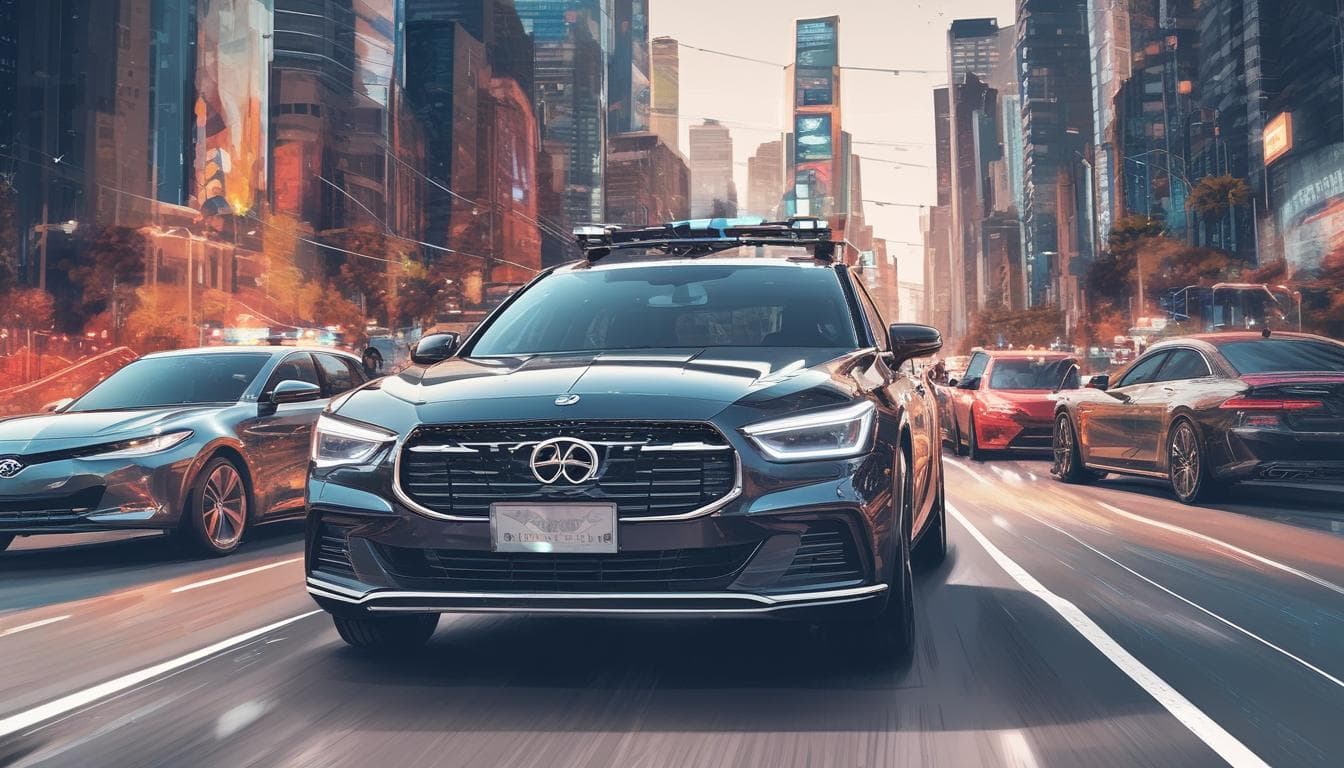
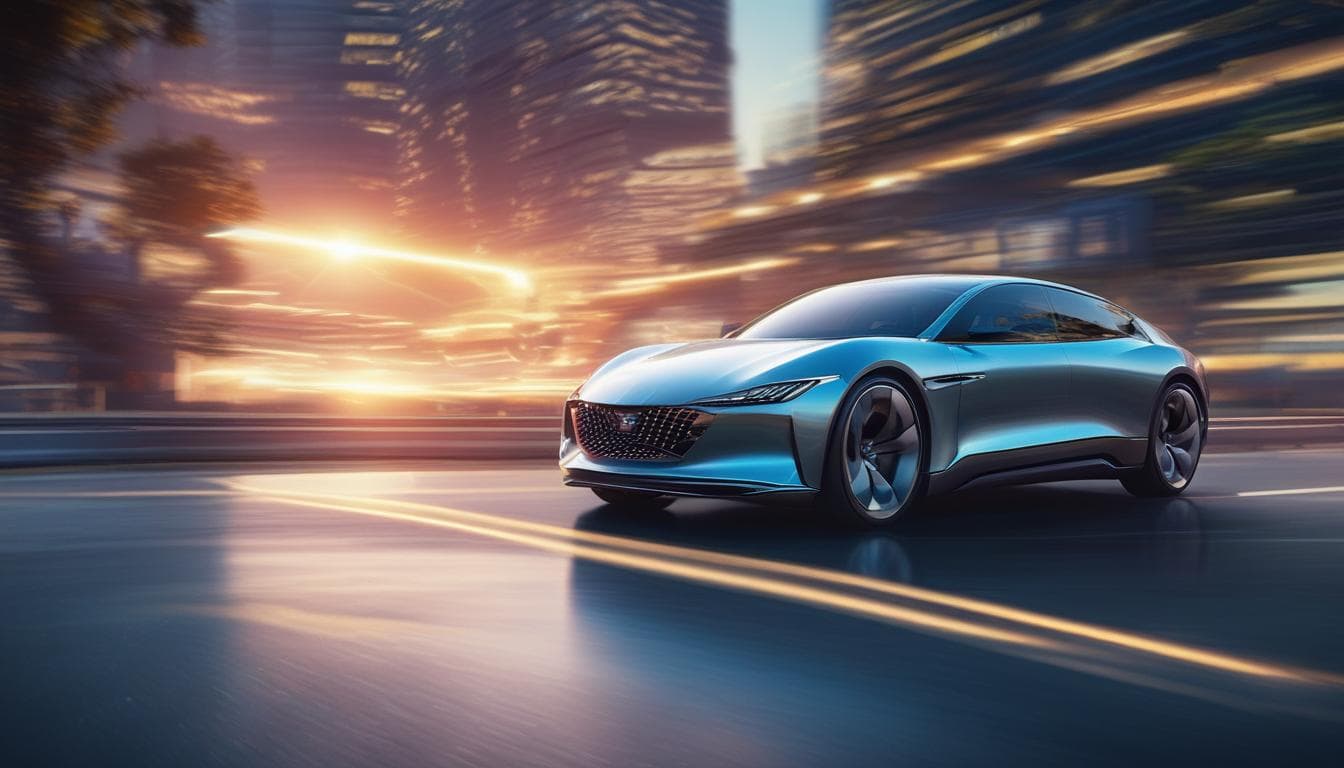
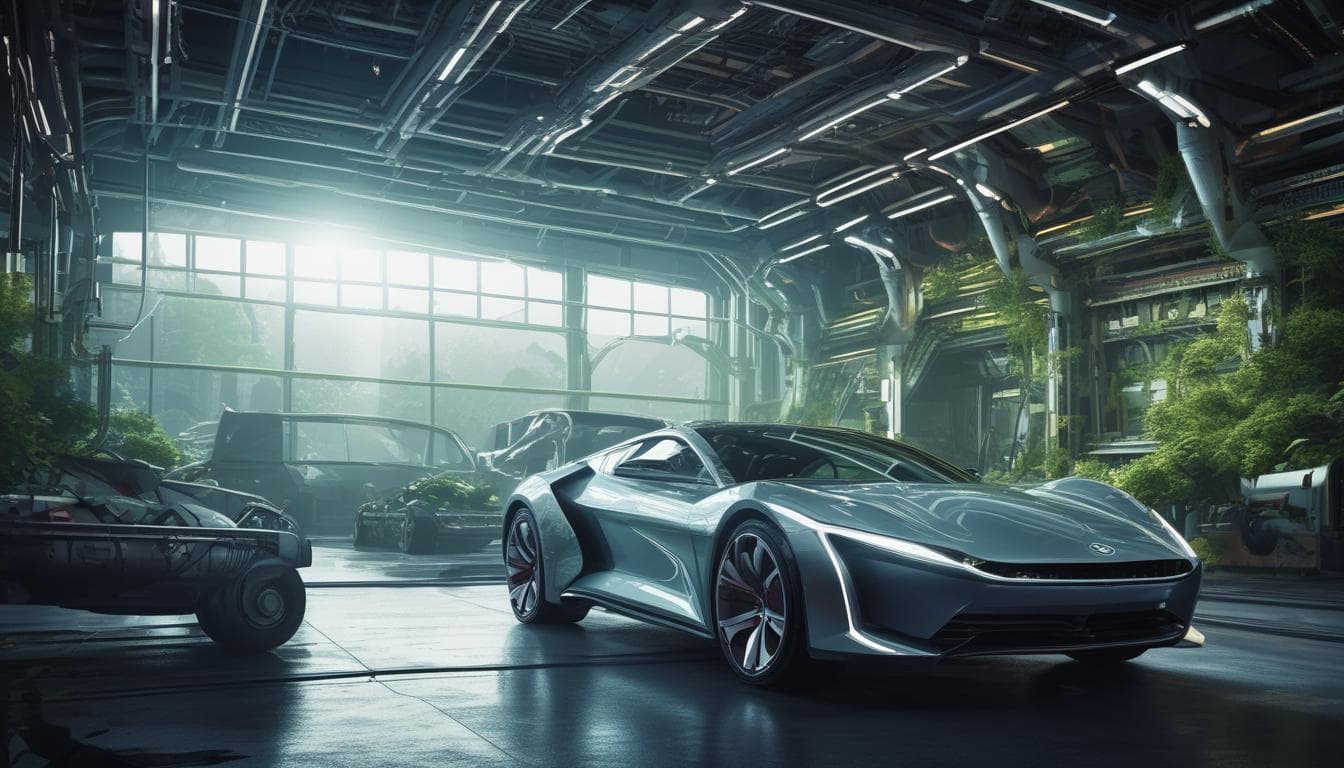
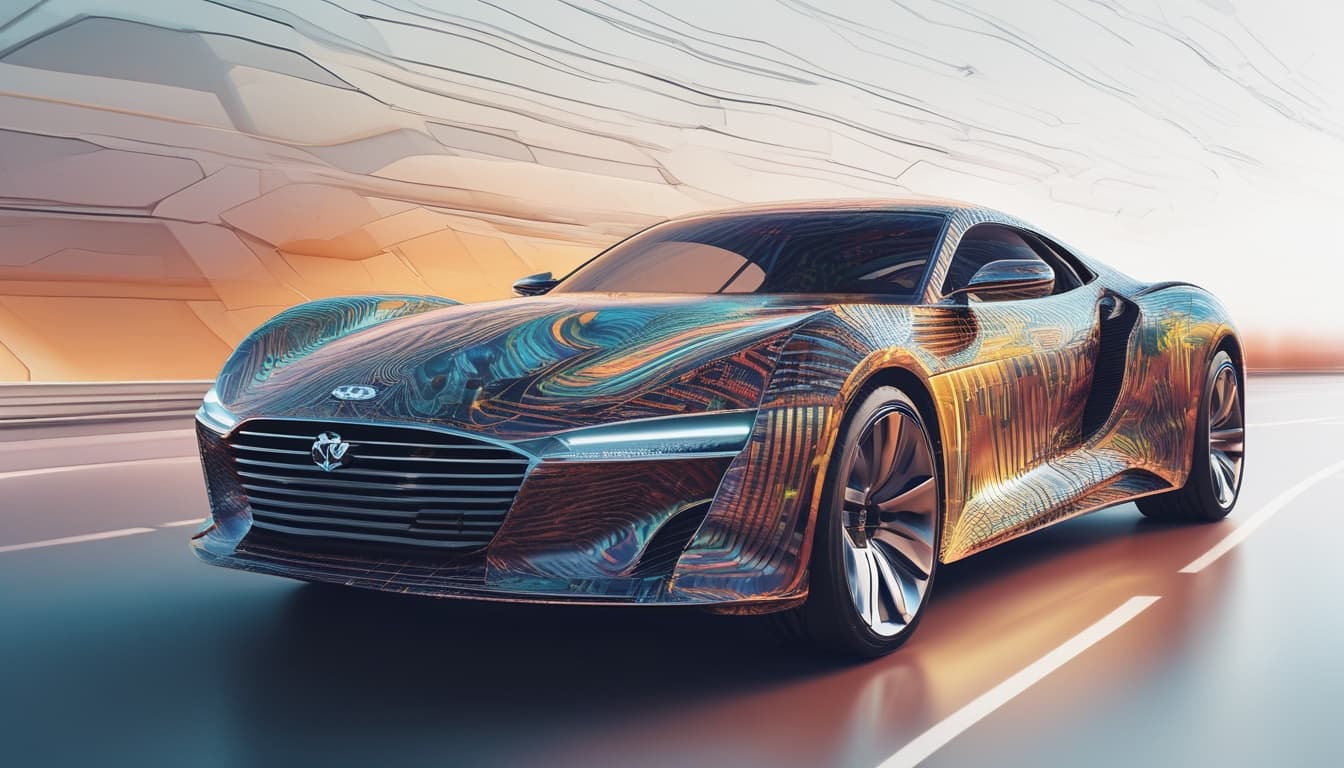
Imagine vehicles incorporating advanced bio-mimicry, going beyond aerodynamics. Think energy generation inspired by photosynthesis, self-repair mechanisms mimicking biological tissue regeneration, or adaptive camouflage like an octopus. What specific biological systems hold the most fascinating potential for revolutionizing automotive design and functionality, and what are the most significant scientific or engineering hurdles to overcome in creating these 'living' machines?
1 답글•0 댓글
The concept of integrating biological systems into automotive design opens up a world of possibilities that could redefine how we think about vehicles and their functionality. Here are some fascinating biological concepts that hold significant potential:
1. Photosynthesis-Inspired Energy Generation
- Concept: Designing materials that capture sunlight and convert it into energy could lead to vehicles that partially recharge while in use.
- Hurdles: Developing efficient light-absorbing materials and scaling up the technology for automotive applications is a challenge. Research in the impact of sustainable practices can provide insights into integrating such technologies effectively.
2. Self-Repair Mechanisms
- Concept: Inspired by biological tissues that can heal themselves, automotive materials that can mend minor damages could extend the lifespan of vehicles and reduce maintenance costs.
- Hurdles: The greatest challenges include creating materials that can actively identify damage and have the capacity to restore themselves—a topic explored in the context of materials science and robotics in the robotics revolution.
3. Adaptive Camouflage
- Concept: Utilizing technologies inspired by octopuses, vehicles could change their appearance based on surroundings for aesthetic or safety reasons.
- Hurdles: The main scientific challenge lies in developing responsive surfaces that can mimic the changes in coloration and texture based on environmental inputs, which might require extensive research into materials and bioengineering.
Implementing these innovations would not only enhance vehicle functionality but also contribute to the future of automotive sustainability and user experience. Furthermore, there may be overlaps with emergent technologies such as generative AI, which could assist in designing these complex systems effectively.
In conclusion, while the potential is immense, the journey toward creating these 'living' machines will require collaborative efforts across various scientific and engineering disciplines. Discussions around these innovations could help us further explore the fascinating intersection of biology and automotive design.
이 주제에 대해 더 알아보기
대화에 참여하기
- 자율주행차와 AI 비서의 결합: 초개인화된 자동차가 가져올 미래
자율주행 시대, 자동차가 AI 비서와 결합하여 개인 맞춤형 서비스를 제공한다면? 스트레스 관리, 업무 환경 최적화 등 '초개인화'된 자동차가 일상, 도시, 삶의 방식에 미칠 영향과 기대, 우려를 논의합니다.
- 전기차의 '소리', 어떻게 디자인해야 할까요? 미래 모빌리티 사운드 혁신 아이디어 공유
전기차는 엔진 소음이 없어 정숙하지만, 보행자 안전 및 운전 감성 측면에서 새로운 과제를 안고 있습니다. 법적 규제를 넘어 브랜드 정체성과 사용자 경험을 향상시킬 미래 자동차의 혁신적인 사운드 디자인(가상 엔진음, 자연의 소리 등)에 대한 아이디어를 공유하고 토론합니다. 미래 모빌리티의 청각적 진화 방향을 함께 모색해 보세요.
- 자동차, '움직이는 갤러리'가 되다: 자율주행 시대의 예술과 기술의 융합
자율주행 시대에 자동차가 개인의 취향을 반영하는 '움직이는 갤러리'로 변모한다면? 자동차 디자인, 사용자 경험, 예술과 기술 융합의 혁신적인 변화와 일상, 문화, 예술 분야에 미칠 영향을 탐구합니다.