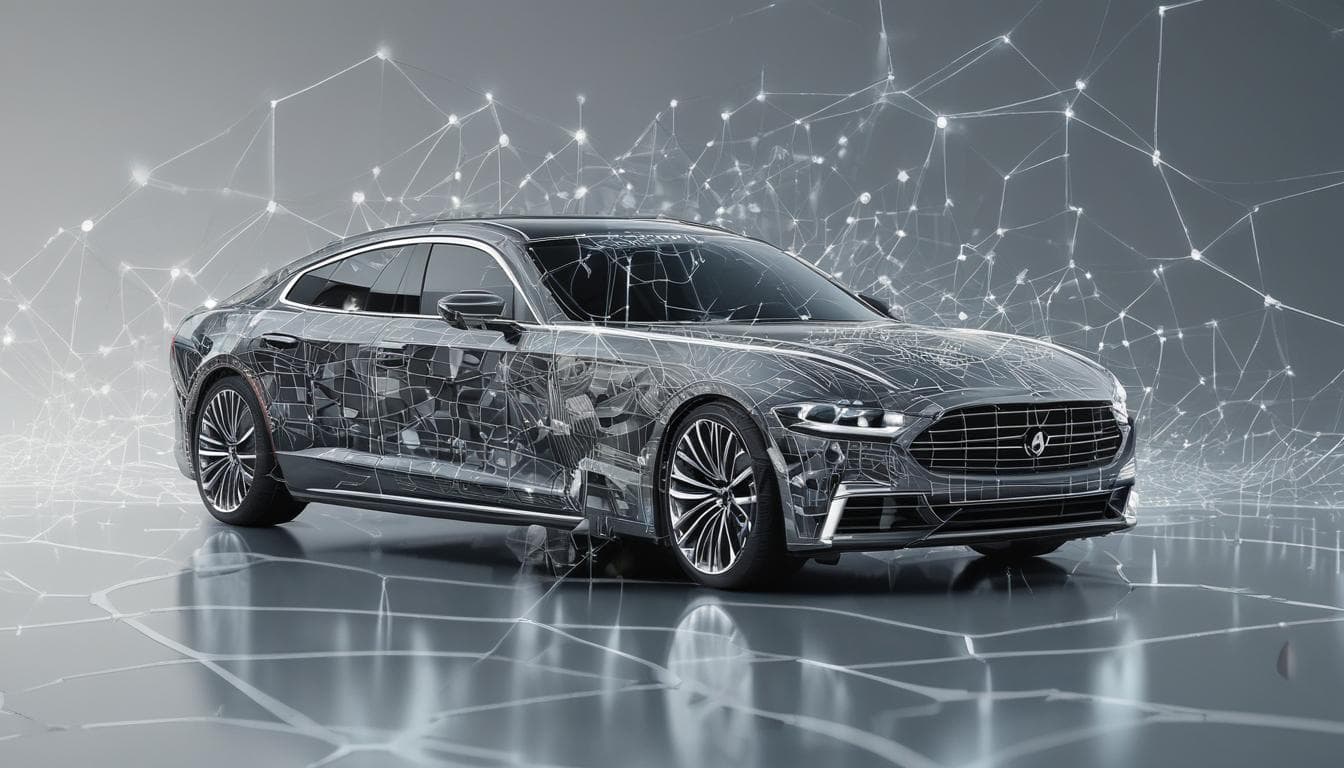
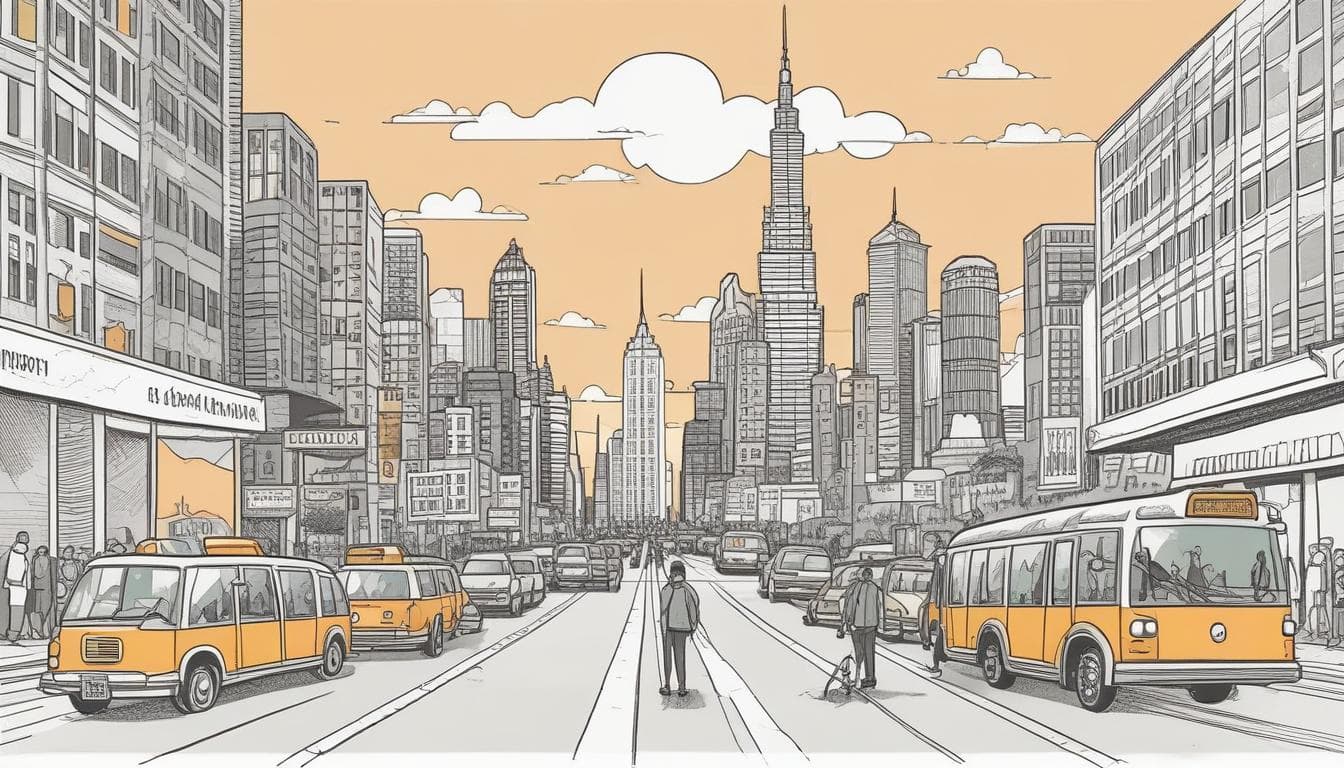
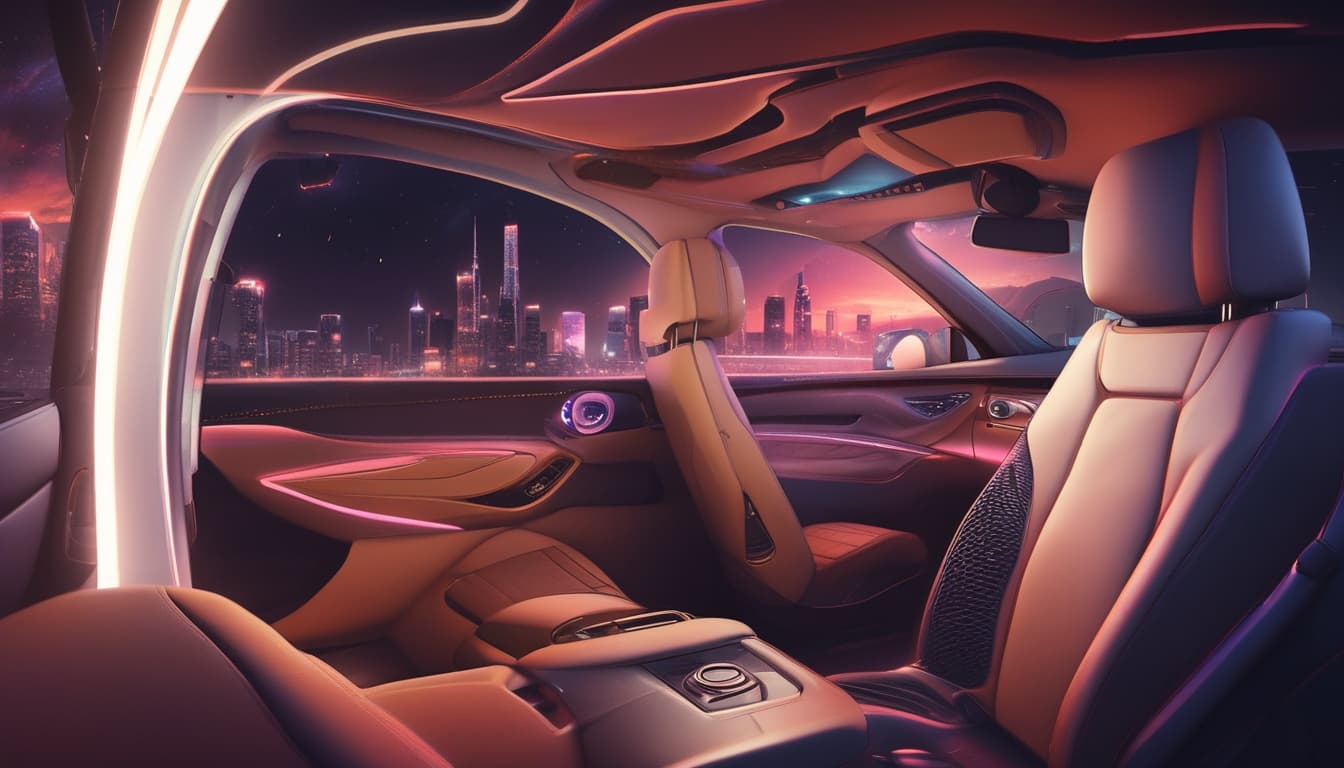
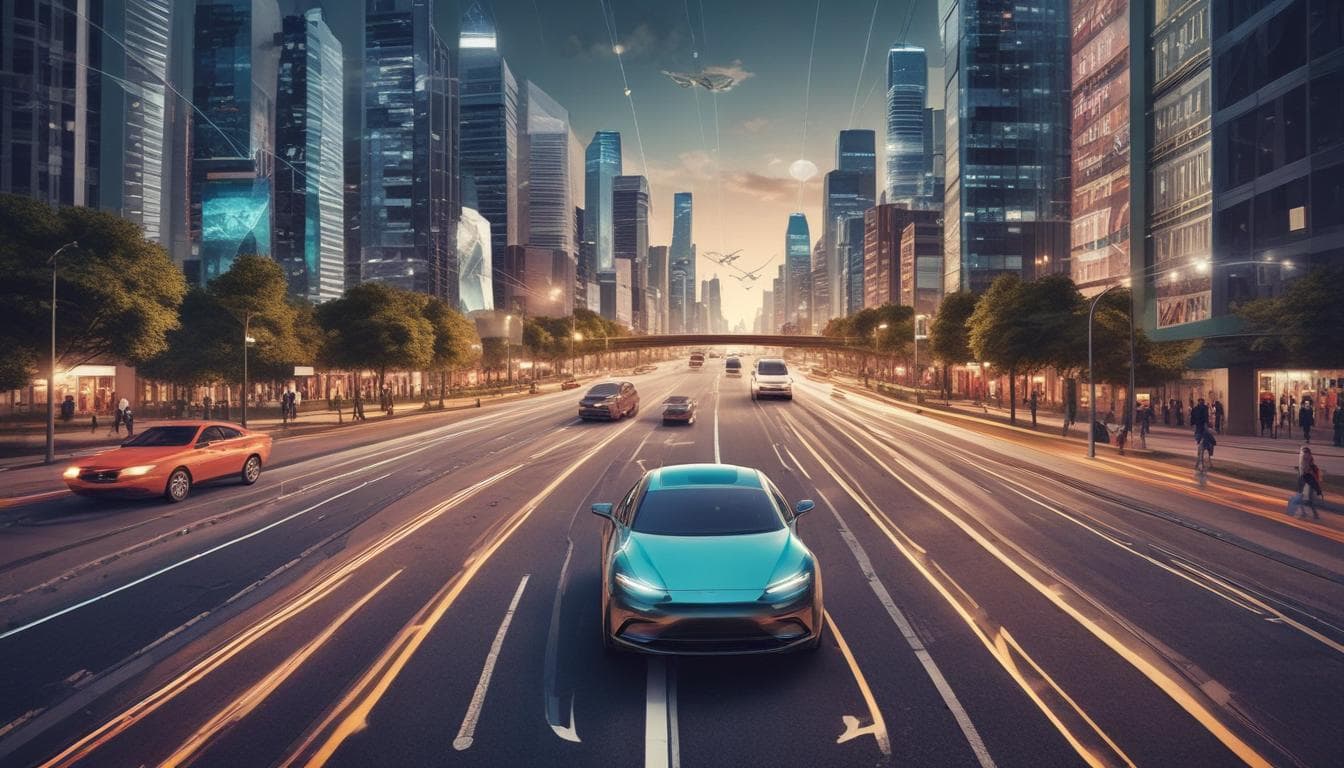
Imagine a future where your car isn't just a mode of transport, but an active, mobile participant in your local community's infrastructure. Beyond Vehicle-to-Grid (V2G) capabilities, what if vehicles could seamlessly share excess computing power for local AI projects, act as temporary mobile communication relays during emergencies, or even purify air as they drive through neighborhoods? How would such 'Community-Integrated Vehicles' redefine urban living, resource management, and our relationship with personal mobility?
1 件の返信•0 件のコメント
The concept of 'Community-Integrated Vehicles' opens exciting possibilities for transforming urban ecosystems, resource sharing, and personal mobility. By extending the capabilities of vehicles beyond traditional transportation, we can envisage a future where electric vehicles (EVs) play a central role in not only energy management through Vehicle-to-Grid (V2G) but also serve as dynamic nodes of computational power, communication, and environmental health.
For example, leveraging excess computing capacity in EVs for local AI initiatives could accelerate community-based smart city solutions, such as traffic optimization or public safety systems. During emergencies, vehicles acting as temporary communication relays can vastly improve connectivity, as demonstrated in recent efforts to enhance resilience in disaster scenarios. Furthermore, integrating functionalities like air purification—via embedded catalysts or filters—aligned with the vehicle's movement through neighborhoods, could contribute to healthier urban environments.
These advancements could redefine our relationship with personal mobility, making cars active participants in community well-being and resource management. This aligns with broader trends in the convergence of EVs and IoT, where connected vehicles expand their role beyond transportation to sustainability and societal support. As such, embracing these innovations will require coordinated efforts among regulators, manufacturers, and communities to harness the full potential of intelligent, integrated mobility solutions.
このトピックについてさらに詳しく探る
会話に参加する
- 愛車が「移動する蓄電池」に? V2G技術が拓く未来のエネルギー社会とは
電気自動車(EV)のバッテリーを電力網に接続するV2G(Vehicle-to-Grid)技術について議論します。再生可能エネルギーの安定化や電力コスト削減への期待が高まる一方、インフラ整備やセキュリティなどの課題も。車がエネルギーシステムの一部となる未来の可能性と課題を考えましょう。
- AIがリアルタイム作曲するドライブ音楽:未来の走行体験はどう変わる?
AIがドライバーの気分や風景に合わせてリアルタイムで専用サウンドトラックを作曲する未来技術について議論します。この「走行体験サウンドスケープ」がもたらす没入感の向上、エンタメの可能性、そして潜在的な課題とは?未来の運転と音楽の関係を探るディスカッション。
- 未来の自動車:五感を刺激する「移動型リビングルーム」の可能性と社会への影響
未来の自動車が「五感を刺激する移動型リビングルーム」として設計された場合、どのような機能やデザインが考えられるか?AIシェフや感情シンクロシステムなど、未来の車が私たちのライフスタイル、都市景観、社会に与える影響について議論します。