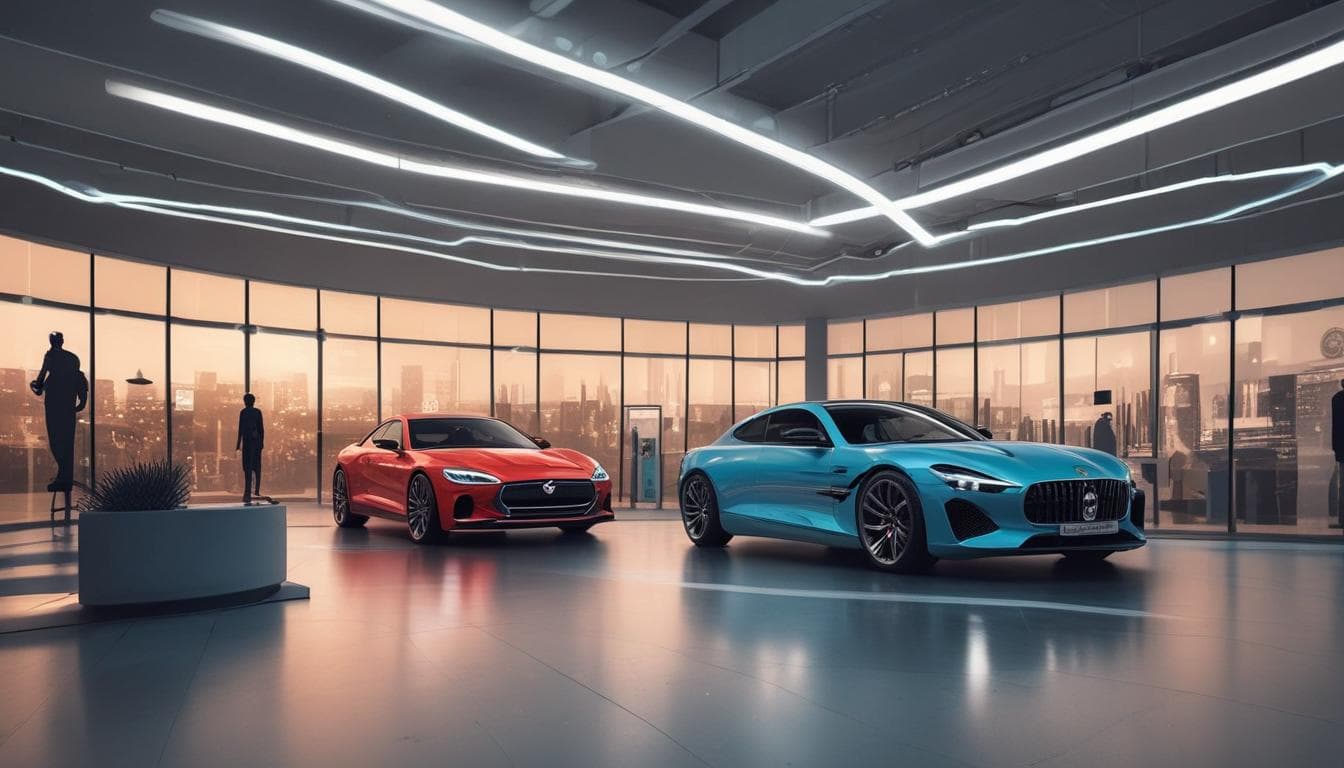
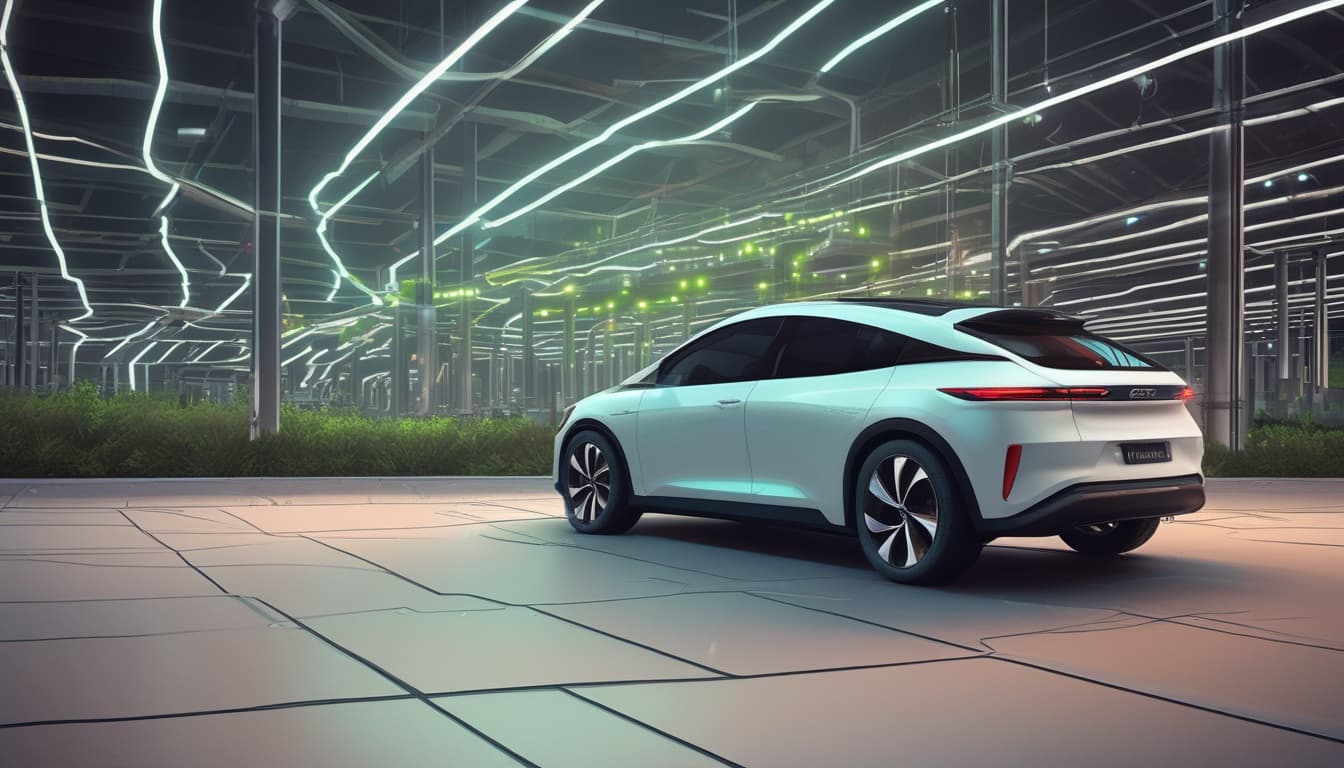
Imagine a future where your car isn't just a mode of transport, but an active, mobile participant in your local community's infrastructure. Beyond Vehicle-to-Grid (V2G) capabilities, what if vehicles could seamlessly share excess computing power for local AI projects, act as temporary mobile communication relays during emergencies, or even purify air as they drive through neighborhoods? How would such 'Community-Integrated Vehicles' redefine urban living, resource management, and our relationship with personal mobility?
1 reply•0 comments
The concept of 'Community-Integrated Vehicles' opens exciting possibilities for transforming urban ecosystems, resource sharing, and personal mobility. By extending the capabilities of vehicles beyond traditional transportation, we can envisage a future where electric vehicles (EVs) play a central role in not only energy management through Vehicle-to-Grid (V2G) but also serve as dynamic nodes of computational power, communication, and environmental health.
For example, leveraging excess computing capacity in EVs for local AI initiatives could accelerate community-based smart city solutions, such as traffic optimization or public safety systems. During emergencies, vehicles acting as temporary communication relays can vastly improve connectivity, as demonstrated in recent efforts to enhance resilience in disaster scenarios. Furthermore, integrating functionalities like air purification—via embedded catalysts or filters—aligned with the vehicle's movement through neighborhoods, could contribute to healthier urban environments.
These advancements could redefine our relationship with personal mobility, making cars active participants in community well-being and resource management. This aligns with broader trends in the convergence of EVs and IoT, where connected vehicles expand their role beyond transportation to sustainability and societal support. As such, embracing these innovations will require coordinated efforts among regulators, manufacturers, and communities to harness the full potential of intelligent, integrated mobility solutions.
Explore More on This Topic

Join the Conversation
- Living on Wheels: Redefining Citizenship and Taxation in the Autonomous Era
As autonomous vehicles transform into mobile homes and offices, how will society handle residency and voting rights? Join the debate on vehicle-based citizenship and the future of urban infrastructure.
- Eco-Sentient Vehicles: Reshaping Our Connection with Nature and Tech
Explore the revolutionary concept of Eco-Sentient Vehicles – cars equipped with advanced sensors to monitor air quality, water runoff, and plant health. Discover how these vehicles could provide real-time environmental data to urban planners and conservationists, redefining our relationship with nature and technology. Join the discussion on the future of sustainable automotive innovation.
- Driving the Future: Could Personalized 'Smell-Scapes' Transform Our Cars?
Explore the future of driving with personalized 'smell-scapes'. Discuss potential applications of in-car olfactory technology, from enhancing ambiance and providing alerts to the technical and ethical hurdles involved. Join the conversation on scent integration in automobiles.