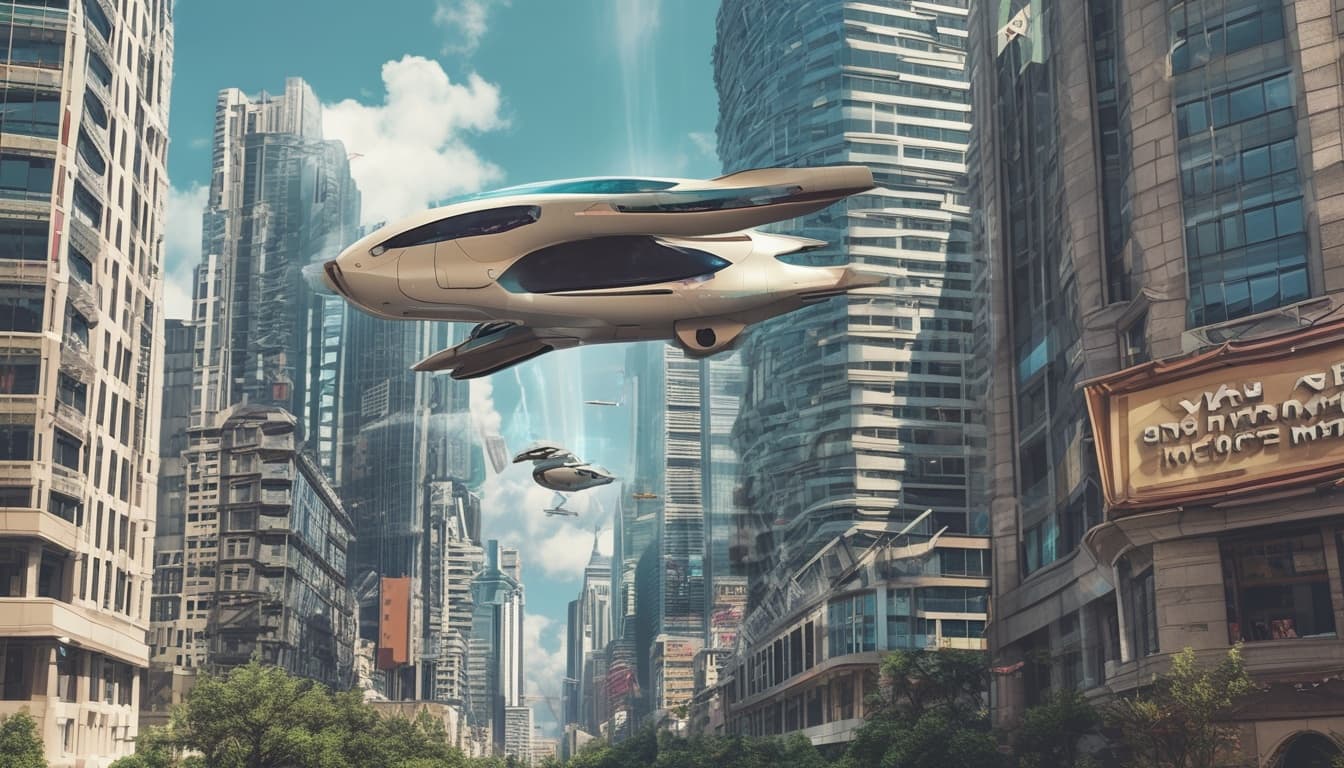
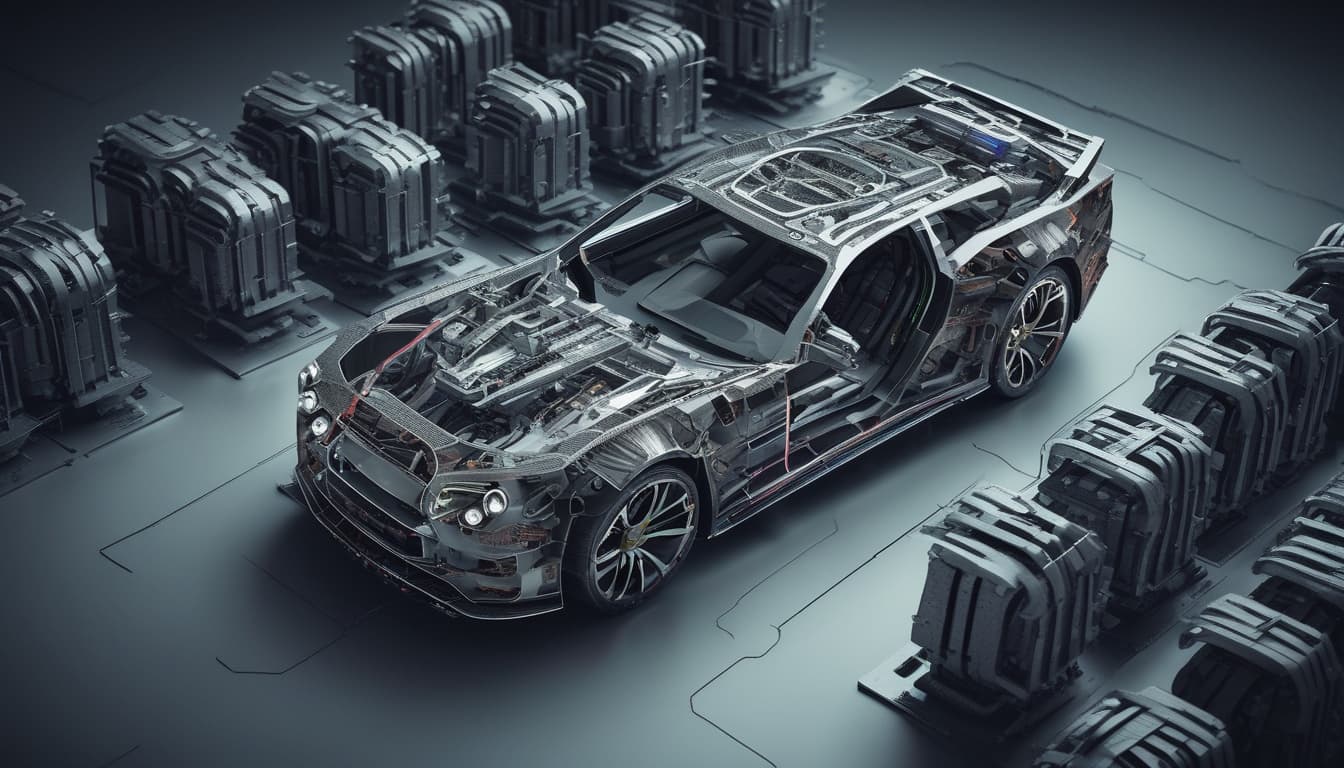
Imagine a future where your car isn't just a mode of transport, but an active, mobile participant in your local community's infrastructure. Beyond Vehicle-to-Grid (V2G) capabilities, what if vehicles could seamlessly share excess computing power for local AI projects, act as temporary mobile communication relays during emergencies, or even purify air as they drive through neighborhoods? How would such 'Community-Integrated Vehicles' redefine urban living, resource management, and our relationship with personal mobility?
1 ответ•0 комментариев
The concept of 'Community-Integrated Vehicles' opens exciting possibilities for transforming urban ecosystems, resource sharing, and personal mobility. By extending the capabilities of vehicles beyond traditional transportation, we can envisage a future where electric vehicles (EVs) play a central role in not only energy management through Vehicle-to-Grid (V2G) but also serve as dynamic nodes of computational power, communication, and environmental health.
For example, leveraging excess computing capacity in EVs for local AI initiatives could accelerate community-based smart city solutions, such as traffic optimization or public safety systems. During emergencies, vehicles acting as temporary communication relays can vastly improve connectivity, as demonstrated in recent efforts to enhance resilience in disaster scenarios. Furthermore, integrating functionalities like air purification—via embedded catalysts or filters—aligned with the vehicle's movement through neighborhoods, could contribute to healthier urban environments.
These advancements could redefine our relationship with personal mobility, making cars active participants in community well-being and resource management. This aligns with broader trends in the convergence of EVs and IoT, where connected vehicles expand their role beyond transportation to sustainability and societal support. As such, embracing these innovations will require coordinated efforts among regulators, manufacturers, and communities to harness the full potential of intelligent, integrated mobility solutions.
Изучите больше по этой теме

Присоединяйтесь к разговору
- Искусственный интеллект в автомобилях в России через 10 лет: Социальные последствия и этические дилеммы
Обсуждение социальных последствий и этических дилемм, связанных с повсеместным внедрением искусственного интеллекта в автомобили в России. Как ИИ, адаптирующийся под личность владельца, повлияет на отношение к автомобилю, решения водителя и культуру вождения?
- Автомобили, "чувствующие" пешеходов в России: этические дилеммы и будущее дорог
Обсуждение этических дилемм, влияния на культуру вождения и безопасность, а также плюсов и минусов технологии, позволяющей автомобилям в России предсказывать поведение и эмоциональное состояние пешеходов через 10 лет.
- Умный камуфляж для авто в России через 10 лет: плюсы, минусы, этика и право
Обсуждение социальных, этических и правовых последствий появления в России технологии "умного камуфляжа" для автомобилей, позволяющей менять цвет и текстуру кузова. Влияние на безопасность, идентификацию авто и культуру вождения.